

Qing Dynasty Export Ceramics
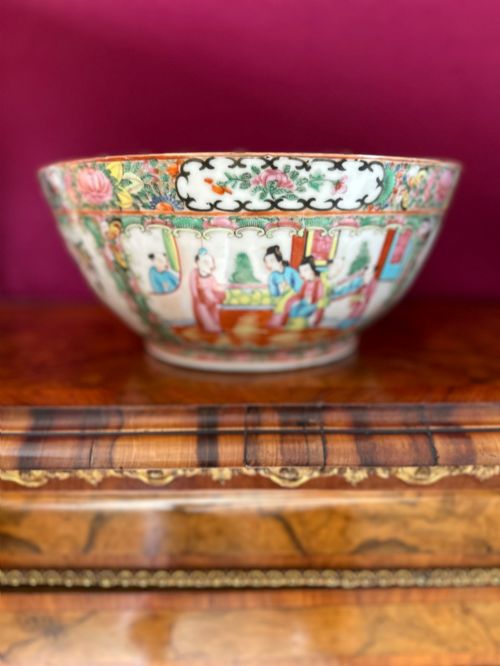
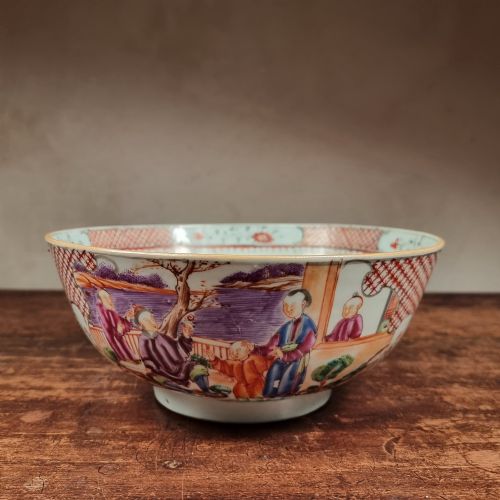
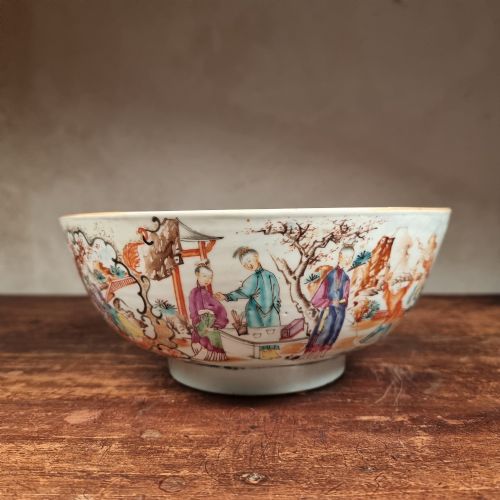
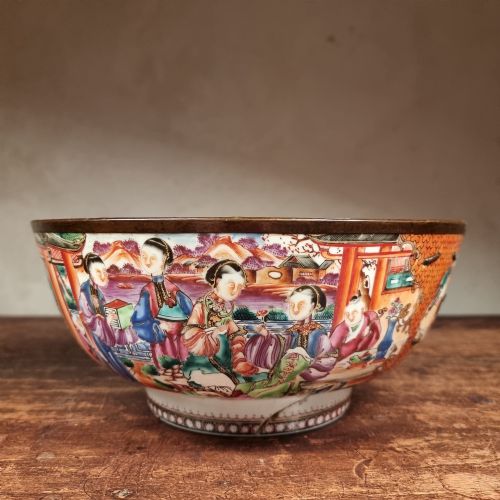
Qing dynasty export ceramics are porcelain vessels made for Western markets during the Qing period, prized by collectors for their intricate hand-painted palettes and historical journey.
Qing Dynasty Export Ceramics
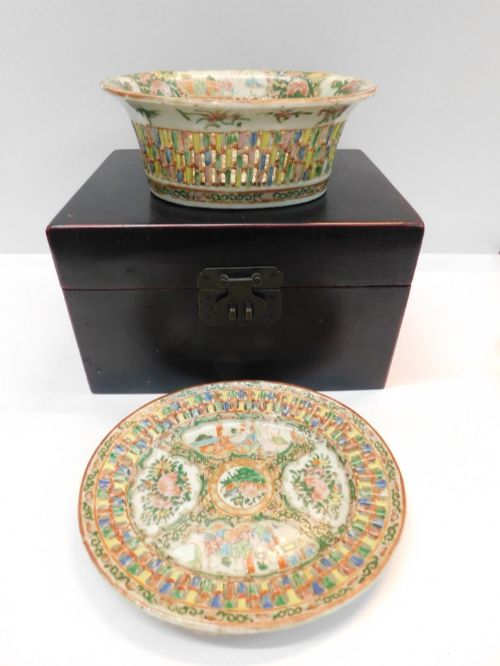
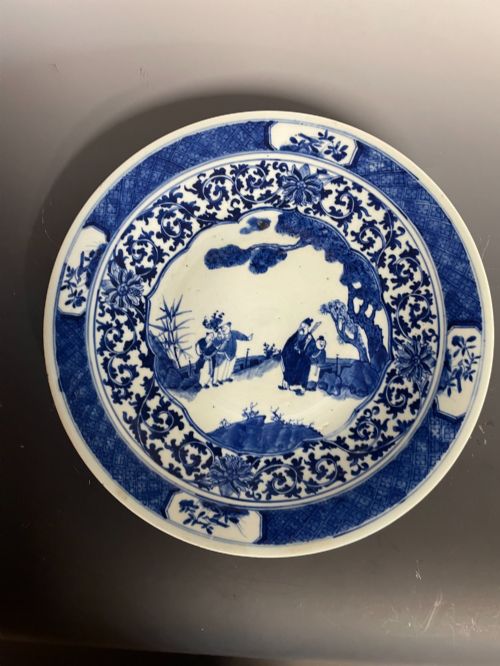
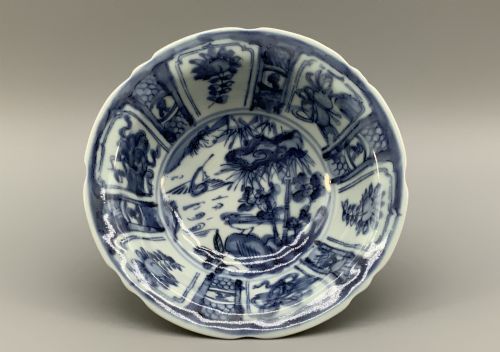
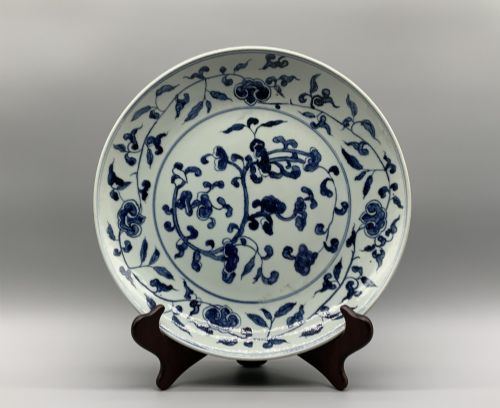
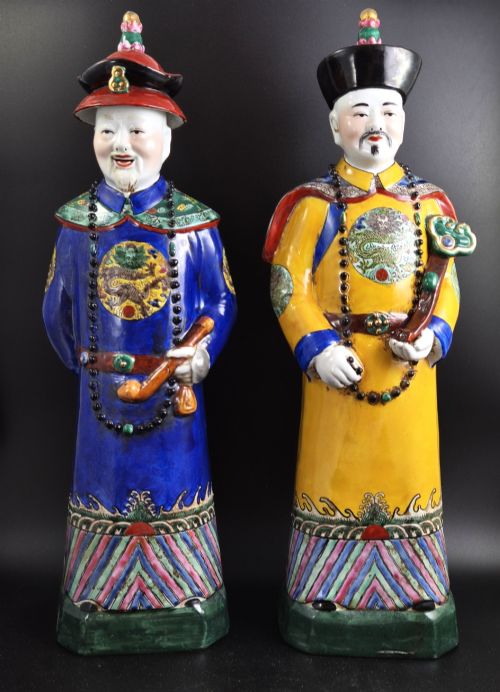
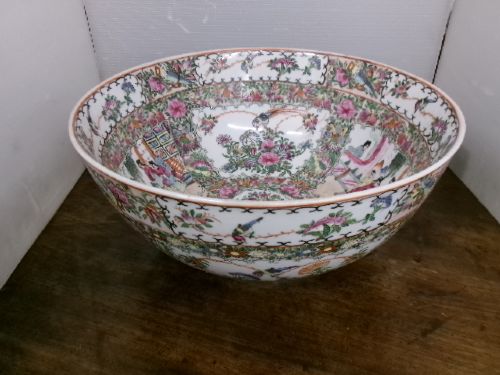
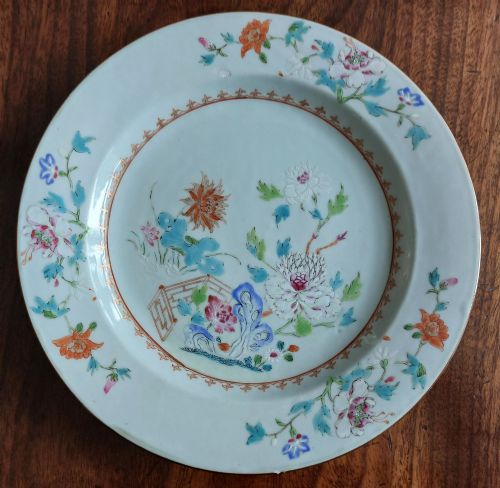
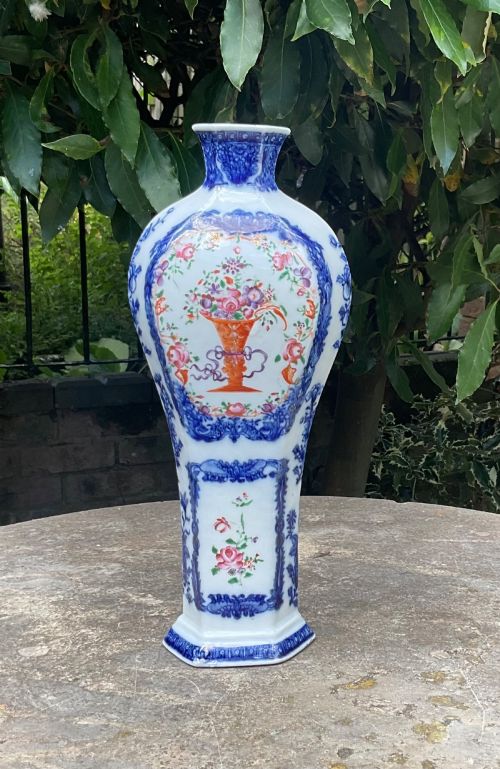
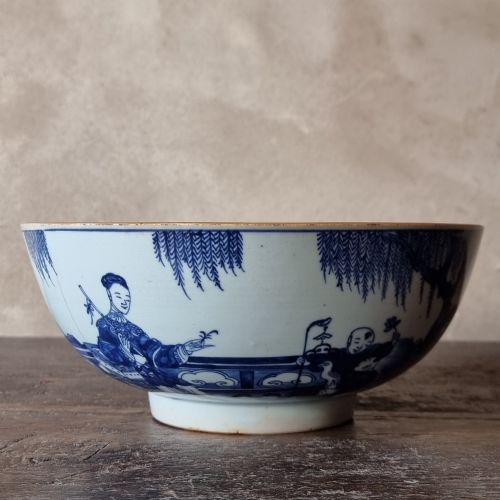
When searching for qing dynasty export ceramics, buyers encounter a diverse range of objects created in China specifically for overseas trade during the eighteenth and nineteenth centuries. These pieces encompass utilitarian and decorative forms, including large punch bowls, charger plates, lidded vases, and intricate chestnut baskets made to satisfy European and global demand.
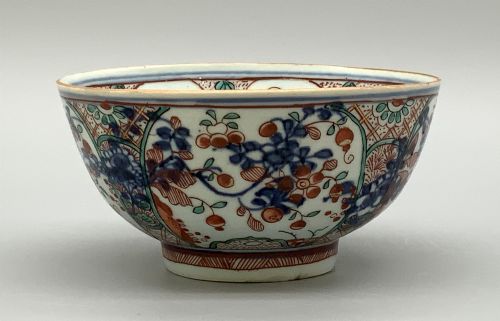
The selections on this page are predominantly drawn from the eighteenth and nineteenth centuries, spanning specific reigns such as the Kangxi and Qianlong periods alongside Victorian-era pieces. Forms vary from blue and white chargers to brightly coloured famille rose dishes, reflecting the changing tastes of Western households over successive decades.
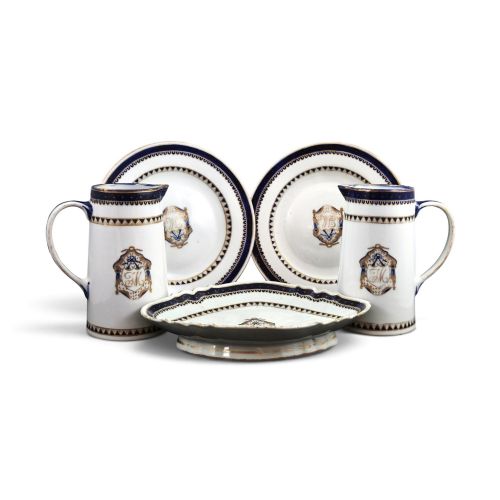
Vessels range from robust provincial porcelain bowls to delicate eggshell cups and monogrammed services commissioned by foreign families. These wares bridge traditional Chinese ceramic techniques with the decorative preferences of international markets.
How they were made
Potters relied on fine white porcelain clay shaped on the wheel or moulded into forms like lobed bowls and chamfered squares. Cobalt underglaze was applied before firing for blue and white designs, while other wares received overglaze enamels and gold leaf.
Artisans utilised cobalt glaze, enamel pigments, and gilding to create detailed pictorial scenes. Firing took place in large kilns where temperature control determined the depth of the glaze and the brilliance of the colours.
Some export teacups arrived in Europe without handles because Western merchants had not yet decided how they wanted to hold them.
What varies in quality
The distinction between tiers of production lies in the precision of the hand-painted brushwork and the clarity of the glaze. Master painters executed intricate scenes with fine detail, whereas utilitarian pieces display looser, faster strokes.
The weight and translucency of the porcelain body further separate standard items from superior vessels like eggshell bowls. Preservation of original gilding and enamel vibrancy also shapes the standing of an object within the range.
Fujian Huiguan Mark
The Qing Dynasty Export Ceramics Glossary
- Famille rose
- A palette of opaque overglaze enamels dominated by pink or rose colours, introduced during the Qing dynasty. This technique allowed for nuanced shading and detailed floral motifs.
- Famille verte
- A ceramic decoration style featuring a dominant green enamel palette alongside other colours. It developed during the seventeenth century and continued into later Qing production.
- Kangxi period
- The reign of the Kangxi Emperor lasting from sixteen sixty-two to seventeen twenty-two. Pieces from this era are noted for vibrant cobalt underglaze blue and fine porcelain bodies.
- Qianlong period
- The era of the Qianlong Emperor spanning seventeen thirty-five to seventeen ninety-six. This time produced highly ornate export porcelain with complex enamelling and diverse forms.
- Blue and white
- A decoration method using cobalt oxide painted directly onto the clay body under a transparent glaze. The pieces are then fired at high temperatures to achieve the characteristic blue design on a white background.
Qing Dynasty Export Ceramics: Frequently Asked Questions
What are qing dynasty export ceramics?
These are porcelain items produced in China during the Qing dynasty specifically for export to Western buyers. They combine traditional Eastern manufacturing methods with decorative styles tailored for international tastes.
Such wares include decorative bowls, plates, teapots, and chargers that reached European and global households through maritime trade routes.
How were export ceramics used?
Wealthy households utilised these porcelain vessels for dining, tea service, and formal display in reception rooms. Large punch bowls and platters served food at banquets, while garnitures and vases decorated mantelpieces.
Many pieces also served as personalized tableware, bearing painted family crests or monograms commissioned by foreign merchants.
How do you date qing porcelain?
Dating relies on stylistic markers, reign marks, and the specific palette of enamels or glazes used on the piece. Eighteenth-century items often feature distinct Kangxi or Qianlong characteristics, while nineteenth-century works display different enamel densities and forms.
Comparing the porcelain body, weight, and decorative motifs against documented examples helps place an object within its historical period.
How do you care for antique porcelain?
Antique porcelain requires gentle handling and should be washed by hand in warm water with mild soap when necessary. Avoiding abrasive cleaners protects delicate overglaze enamels and gold leaf from wear.
Displaying pieces away from direct sunlight and temperature fluctuations preserves the integrity of the glaze and ceramic body over time.