



Chinese Export Porcelain Vases
Chinese export porcelain vases combine traditional Oriental potting with Western decorative tastes.
What Chinese export porcelain vases are
Chinese export porcelain vases are decorative vessels made in China specifically for overseas markets, particularly Europe and the West. When searching for Chinese export porcelain vases, buyers typically encounter pieces originating from the nineteenth century, including specific dates such as 1880.
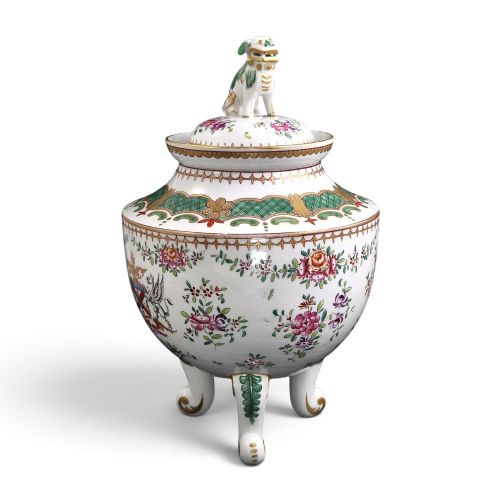
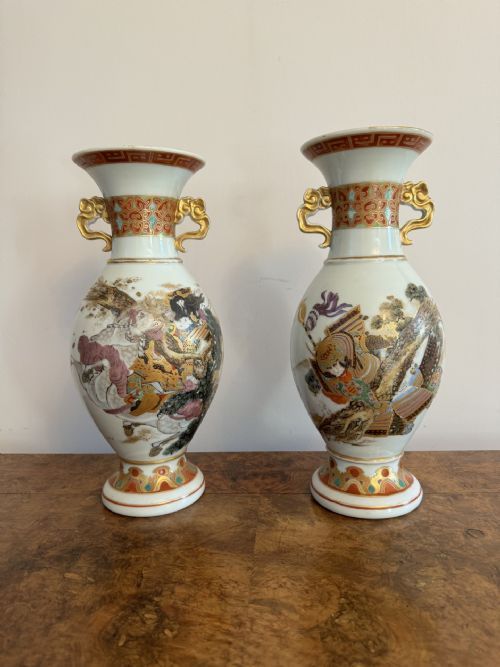
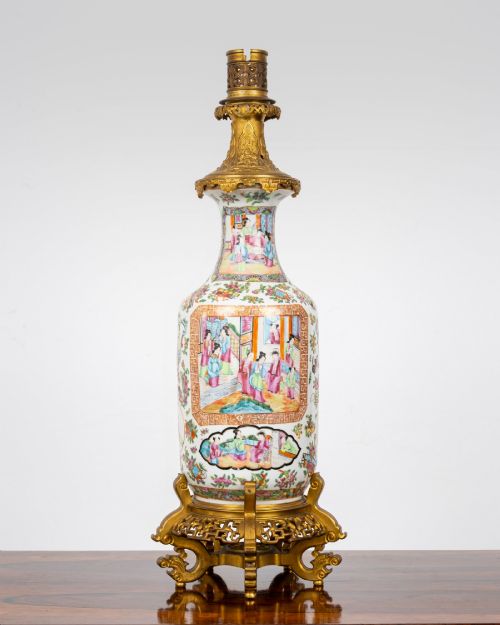
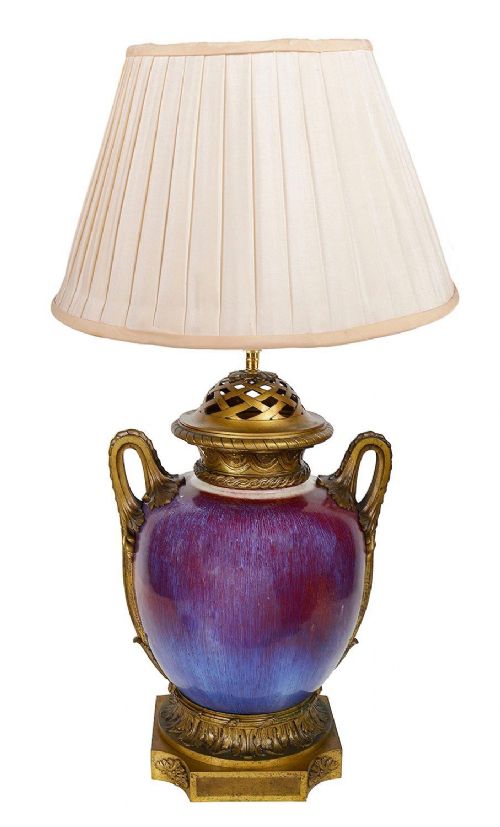
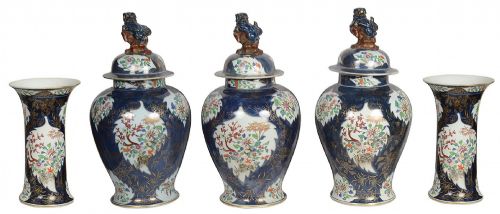
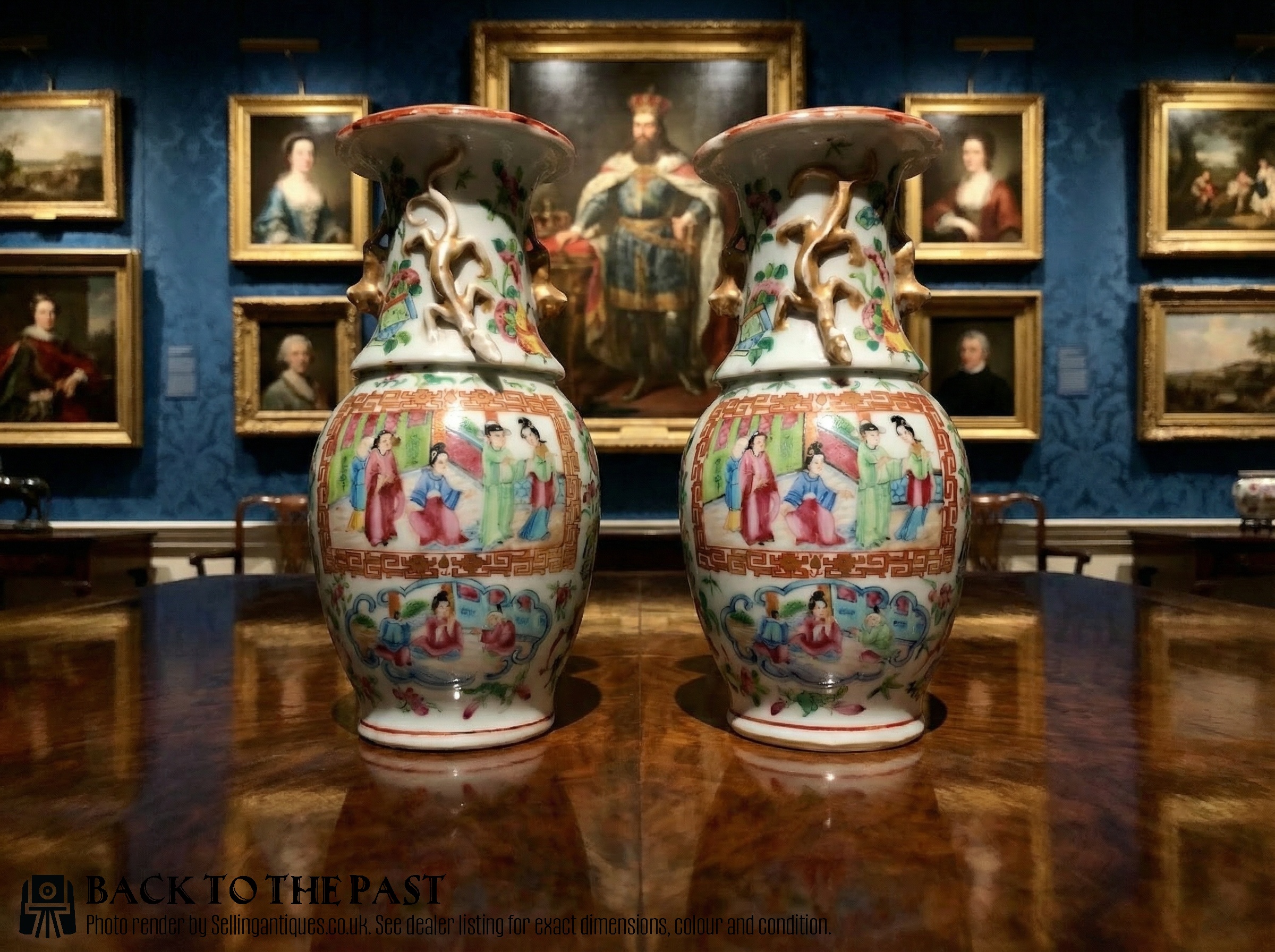
The forms found in these collections include large decorative vases, moon flasks, lidded potpourri jars, and pieces adapted as lamps. Most examples arrive in pairs, showcasing balanced designs meant for symmetrical display on mantelpieces or cabinets.
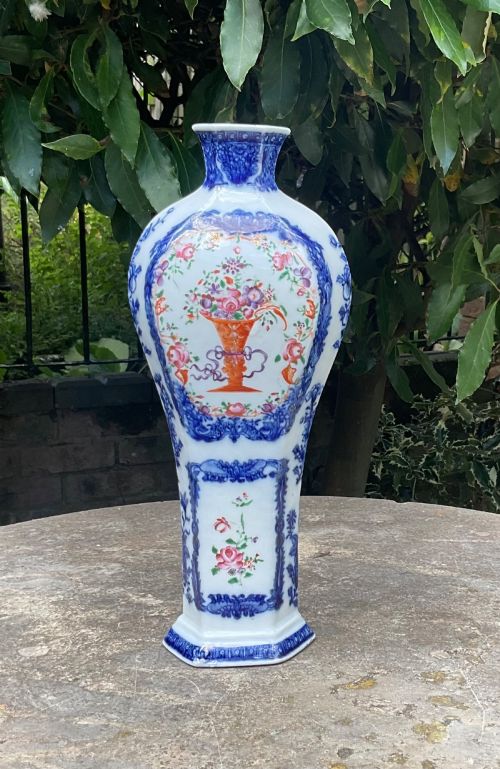
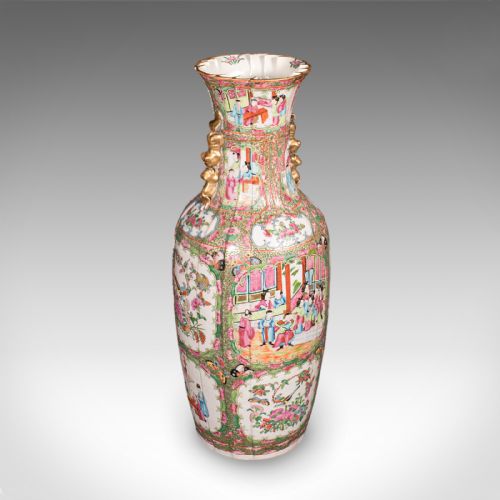
Stylistically, these objects align with the Qing dynasty and Chinese export traditions. The decoration frequently incorporates figural scenes, intricate panels, and vibrant palettes tailored to Western interiors.
How they were made
The foundation of these pieces is white porcelain, shaped into vessels and moon flasks before high-temperature firing. Potters built smooth, durable bodies capable of supporting extensive surface decoration.
Artisans applied polychrome enamel pigments by hand to create detailed figural and floral compositions. Many examples incorporate gold leaf or gilding to highlight borders, motifs, and figural elements.
Certain vessels received additional hardware mounts, such as French ormolu, combining Asian ceramic bodies with European metalwork techniques. Gilt wood also appears on specific mountings associated with these decorative pieces.
Retail Price Guide 2026
Typical UK retail prices for chinese export porcelain vases, calculated from the Sellingantiques database of over a million retail prices indexed since 2003. This retail price guide relies exclusively on Sellingantiques data; no external sources or auction records are used, so the figures do not describe the wider market.
Current listings feature porcelain vases from the nineteenth century, including specific dates such as 1880, utilising enamel, gold leaf, and gilt wood.
What varies in quality
Quality in these vases rests upon the precision and complexity of the hand-painted enamel work. Superior pieces display crisp, finely rendered figures and intricate botanical borders rather than rushed or muddy brushwork.
The application of gold leaf and gilding marks another distinction between standard production and finer output. Rich, intact metallic highlights that retain their lustre elevate the visual depth of the porcelain surface.
Scale and ambition also define the upper tier, where large formats and complex forms like moon flasks or ormolu mounts demonstrate greater technical skill from the workshop.
The Chinese Export Porcelain Vases Glossary
- Famille Rose
- A major palette of Chinese ceramic glazes introduced during the Qing dynasty, characterised by opaque pink or rose enamels. This coloration dominates many nineteenth-century export designs.
- Moon flask
- A flattened, circular pilgrim flask with a short neck and two small handles, often standing on an oval foot. These vessels provide a wide, flat canvas for detailed figural decoration.
- Ormolu
- Finely ground and chased gold applied to a bronze base, frequently used by European makers to mount porcelain vases. This technique enhances the decorative presence of the ceramic body.
- Qing Dynasty
- The final imperial dynasty of China, spanning from sixteen-forty-four to nineteen-twelve. Pieces from this era form the backbone of the available export porcelain market.
- Rose Medallion
- A specific style of Chinese export porcelain decoration featuring divided panels filled with figures, birds, and flowers against a background of green and gold.
Frequently Asked Questions
How were these vases used?
They served primarily as decorative display pieces in grand European and American interiors, often placed on mantelpieces, tables, or within specialised cabinetry. Their symmetrical designs meant they were frequently produced and exhibited as pairs.
Some examples were later adapted into functional lighting, functioning as lamps while retaining their original ceramic bodies.
How do I identify nineteenth-century pieces?
Nineteenth-century pieces often display specific decorative styles such as Canton famille rose, rose medallion, and figural scenes executed in rich enamel palettes. The presence of nineteenth-century dating or specific stylistic markers helps anchor their chronology.
Physical characteristics include the weight and texture of the porcelain body combined with the specific quality of the hand-applied gilding and enamel work.
What is famille rose decoration?
Famille rose is a ceramic classification defined by the use of an opaque pink enamel derived from colloidal gold, appearing alongside other pastel colours. It gained prominence during the eighteenth century and continued through the nineteenth century on export wares.
This technique allowed artists to paint subtle tonal gradations, resulting in lifelike depictions of flowers, birds, and human figures.
Why do some vases have metal mounts?
Certain export porcelain vases were fitted with French ormolu or gilt bronze mounts by European dealers or craftsmen to increase their luxury appeal. These mounts secured the base and rim while adding a distinct continental decorative layer.
Such additions reflect the cross-cultural exchange inherent in the export porcelain trade between Asia and Europe.