



Oriental Porcelain Mantel Vases
Oriental porcelain mantel vases are striking decorative vessels designed for display on a fireplace shelf, bringing centuries of Asian ceramic artistry into the home.
Oriental Porcelain Mantel Vases
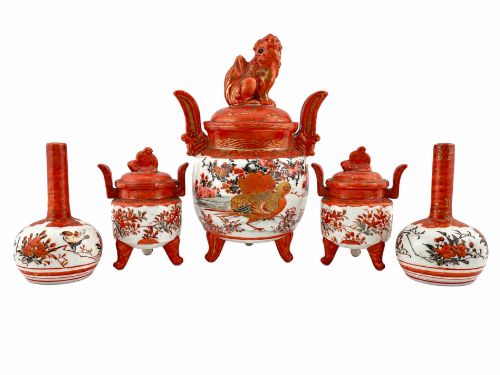
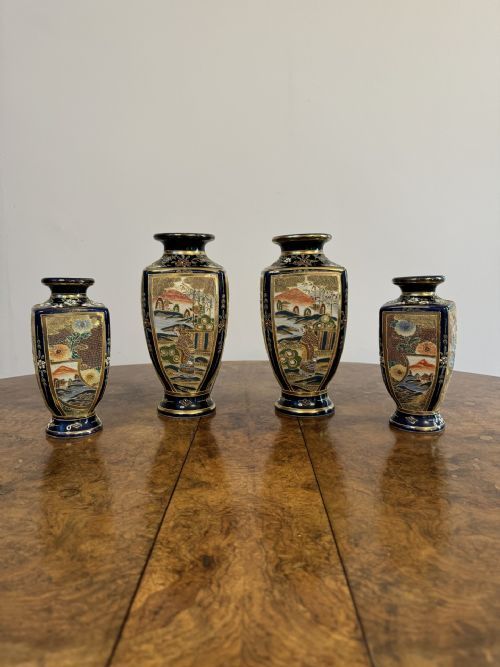
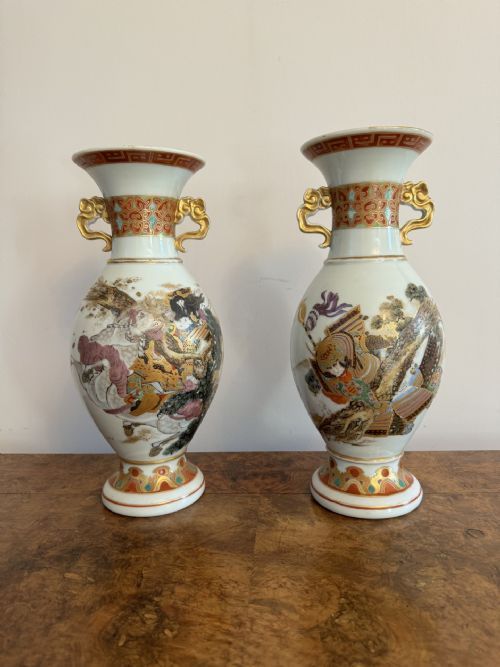
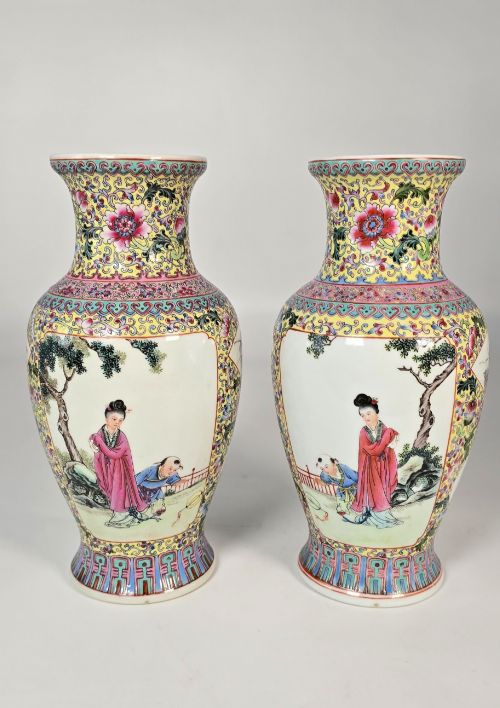
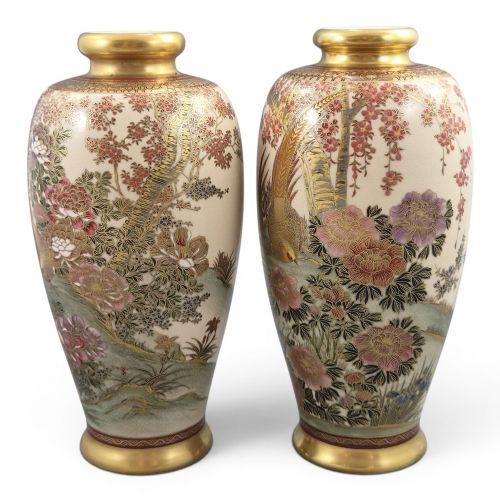
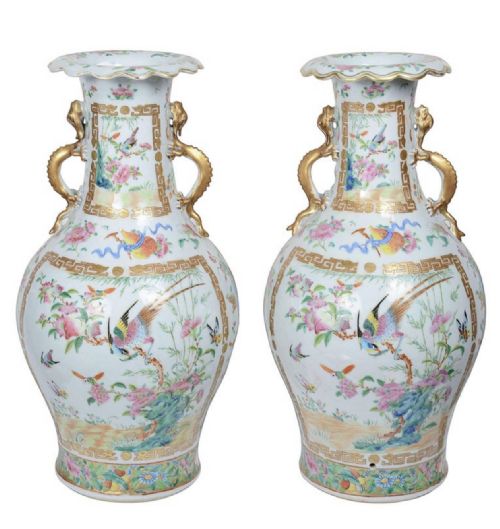
Oriental porcelain mantel vases span centuries of ceramic production across China and Japan, taking the form of matched pairs or larger garnitures intended for display. These ornamental vessels include Chinese famille verte and Rose Medallion works alongside Japanese Satsuma, Imari, and Kutani wares.
Buyers encountering this selection will find pieces ranging from the late seventeenth and eighteenth centuries through the nineteenth century, the Edwardian era, and into the nineteen thirties. The inventory includes hand-painted examples and polygon shapes created during periods such as the Meiji, Edo, and Qing dynasties.
Decorative vases on this page often arrive as balanced sets of two, three, or four pieces designed to anchor a mantelpiece or sideboard. Their origins cross distinct imperial and Meiji aesthetics, uniting diverse glaze palettes and regional techniques under the heading of oriental porcelain mantel vases.
What varies in quality
The sophistication of the hand-painted brushwork and the precision of the enamel application distinguish finer examples from standard decorative production. Superior pieces demonstrate exceptional control in their polychrome details, cobalt blue depth, and gold leaf gilding.
The integrity of a complete garniture or matched pair heavily influences the standing of the items, especially when individual vases retain their original proportions and matching palette. The presence of specific workshop signatures, exhibition quality markers, or familial crests adds historical weight to the ceramic body.
Oriental Porcelain Mantel Vases Retail Price Guide 2026
Typical asking prices for oriental porcelain mantel vases among the pieces listed under this phrase on Sellingantiques today, from the lower quarter to the upper quarter. They describe what is for sale here now, not the wider market.
Chinese and Japanese ceramic traditions are represented here through Meiji, Edo, and Qing dynasty styles.
Manpei Kobe·Hododa
The Oriental Porcelain Mantel Vases Glossary
- Garniture
- A set of matched vases or decorative vessels designed to be displayed together on a mantelpiece or cabinet. These sets typically consist of three or five matching pieces.
- Imari
- A style of Japanese porcelain decorated in underglaze blue, iron red, and gold. This palette originated in Arita and was widely exported to Europe.
- Satsuma
- A type of Japanese earthenware featuring a ivory crackle glaze decorated with polychrome enamels and gilding. Satsuma wares gained immense popularity during the Meiji period.
- Famille verte
- A Chinese porcelain palette dominated by green enamel colours, introduced during the Qing dynasty. The term translates from French as green family.
- Kutani
- Japanese porcelain and ceramic ware known for bold pictorial designs and rich colour palettes. Kutani pieces frequently depict figures, birds, and natural landscapes.
Oriental Porcelain Mantel Vases: Frequently Asked Questions
How do I style mantel vases?
Arrange pairs symmetrically at either end of a mantelpiece, or place a central garniture of three pieces as a focal point.
Keep surrounding objects minimal to let the painted enamel and gilding remain the primary visual focus.
Were these vases made for export?
Many oriental porcelain mantel vases were produced specifically for international export markets during the nineteenth and early twentieth centuries.
European and American demand shaped the scale and decorative themes of Satsuma, Imari, and Chinese export wares.
Can I use these vases for water?
Antique decorative vases are intended for display rather than holding fresh flowers and water.
Seeping moisture can damage historic ceramic bodies, glazes, and delicate gold leaf gilding over time.