





Carved Handle Chinese Vases
These carved handle chinese vases bring together centuries of metalwork and ceramic craft, offering remarkable display pieces for any mantelpiece or table.
Carved Handle Chinese Vases
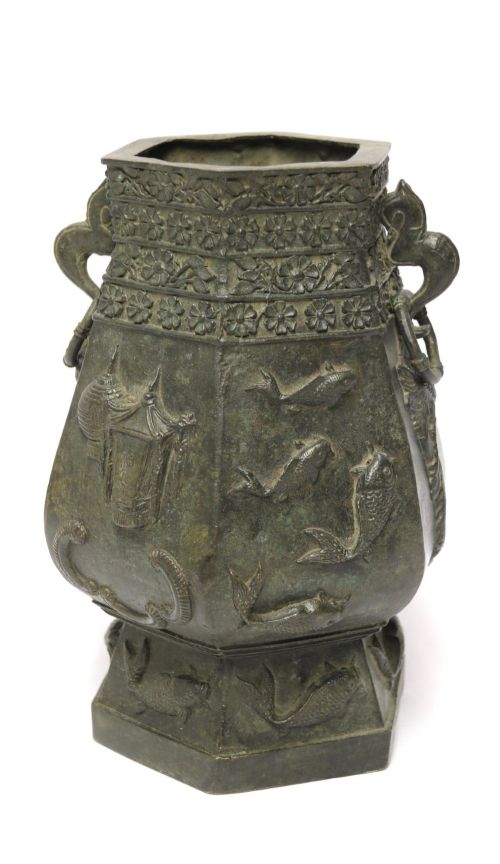
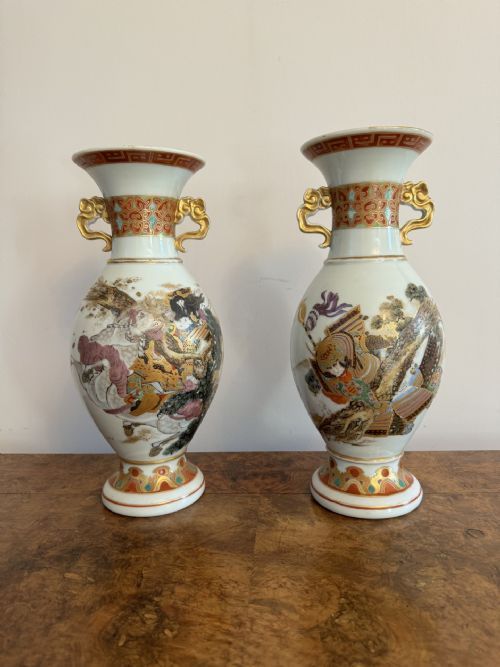
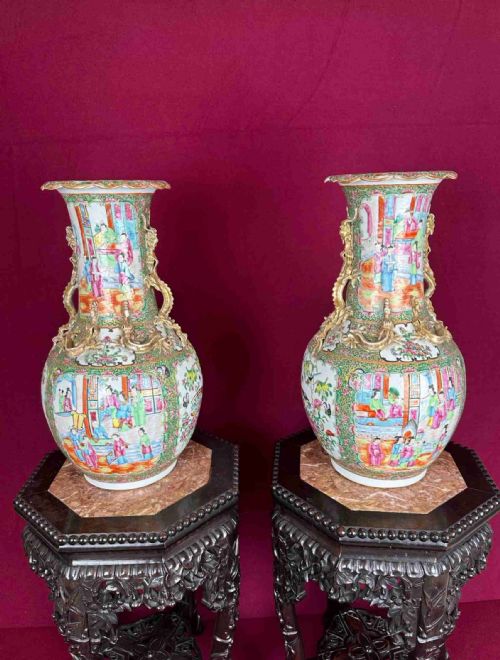
When you search for carved handle chinese vases, you encounter a distinct selection of vessels spanning multiple dynasties and centuries. The current offerings lean heavily toward nineteenth century bronzes alongside porcelain, stoneware, and silver pieces.
Forms range from solid hexagonal vessels to large decorative jars and table lamps. These items reflect traditional Chinese export markets and domestic production traditions alike.
How they were made
Makers utilised bronze, porcelain, stoneware, brass, and cherry wood, frequently combining metals with organic elements such as wood mounts. Gilding and enamel add surface colour and textural contrast to the base materials.
Casting and hand-forming techniques shape the heavy bronze and porcelain bodies, while specialised carving creates the detailed handles and surface motifs seen on jars and vessels.
Carved Handle Chinese Vases Retail Price Guide 2026
Typical asking prices for carved handle chinese vases among the pieces listed under this phrase on Sellingantiques today, from the lower quarter to the upper quarter. They describe what is for sale here now, not the wider market.
What varies in quality
Quality reveals itself in the weight, crispness of casting, and complexity of the carved handles. Heavier bronze pieces demonstrate greater substance, while delicate celadon glazes and painted famille vercv details show superior artistic control.
The integration of secondary materials, such as silver mounts combined with cherry wood, distinguishes finer decorative objects from standard production pieces.
The Carved Handle Chinese Vases Glossary
- Bronze
- A copper and tin alloy prized for its strength and ability to hold crisp cast details. It forms the heavy structure of many nineteenth century vessels.
- Celadon
- A pale green jade-like glaze applied to stoneware and porcelain. This traditional finish highlights carved motifs beneath the surface.
- Famille vercv
- A vibrant ceramic palette dominated by green enamels. It creates richly decorated surfaces on nineteenth century porcelain vases.
- Song Dynasty
- An early historical period associated with refined ceramic production. Pieces from this era often feature subtle glazes and naturalistic designs.
- Qing Dynasty
- The final imperial dynasty of China, spanning the seventeenth to early twentieth centuries. Many export and domestic decorative pieces originate from this era.
Carved Handle Chinese Vases: Frequently Asked Questions
How were bronze vases used?
Heavy bronze vessels served primarily as formal ornaments in scholarly settings or wealthy households, sometimes holding seasonal floral arrangements.
Over time, many of these substantial pieces transitioned into decorative centrepieces within European and British interiors.
How do I live with these vases?
Place heavy bronze or ceramic vessels on sturdy tables or mantelpieces where their weight and carved details can be safely appreciated.
Keep them away from busy household traffic to protect delicate enamel surfaces and protruding handles from accidental bumps.
How do I tell periods apart?
Dating relies on material characteristics, glaze types, and manufacturing techniques, comparing nineteenth century export styles against earlier dynastic standards.
Examination of the bronze casting quality or porcelain body helps establish whether a piece belongs to the Qing period or an earlier era.