



19th Century Chinese Vases
These 19th century chinese vases bring vibrant enamels and rich bronzes into a room, offering the tangible weight of Qing dynasty craftsmanship.

Understanding 19th Century Chinese Vases
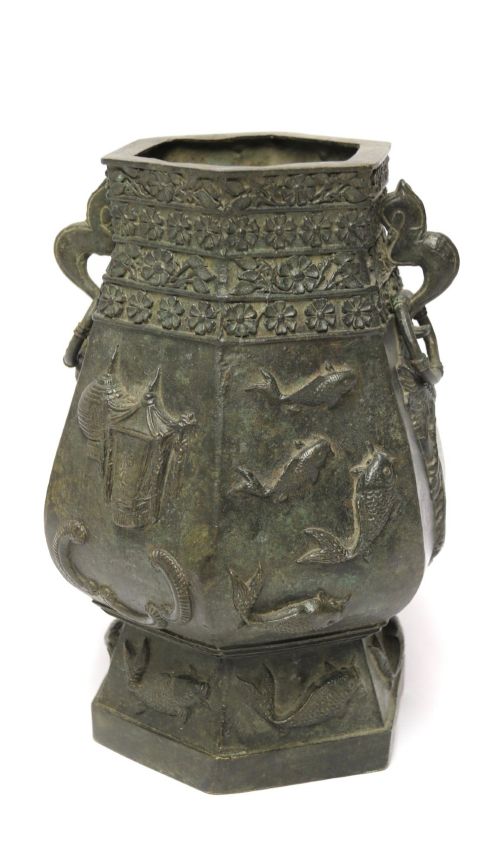
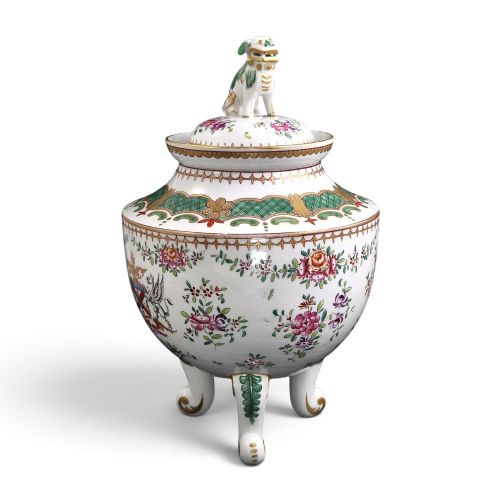
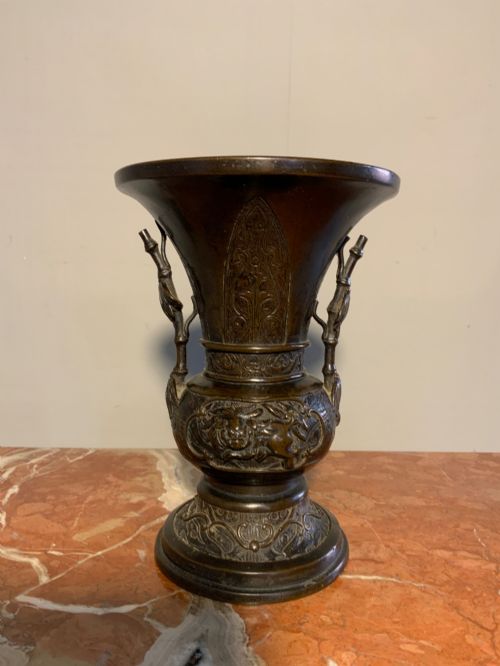
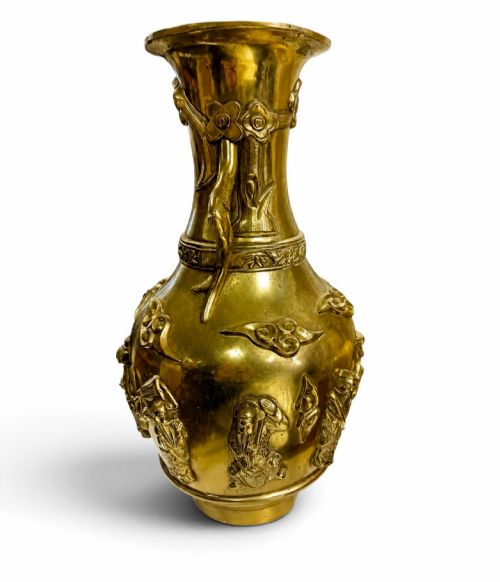
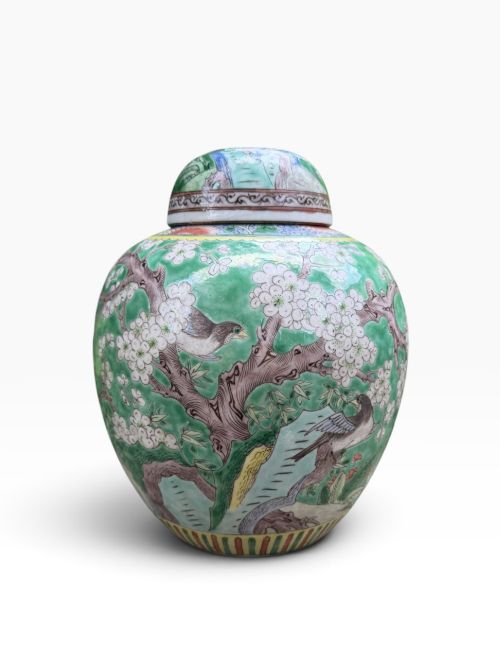
These pieces encompass a varied array of forms and decoration produced during the nineteenth century, including pairs designed for export and domestic use alike. You will encounter porcelain moon flasks, bottle vases, and lidded jars alongside bronze and cinnabar lacquer vessels.
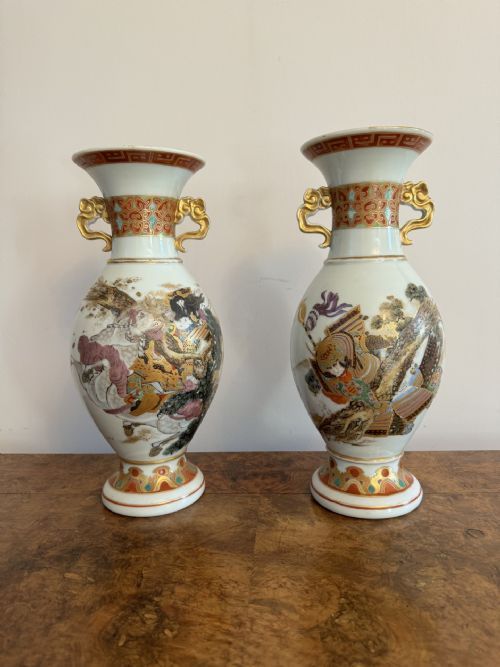
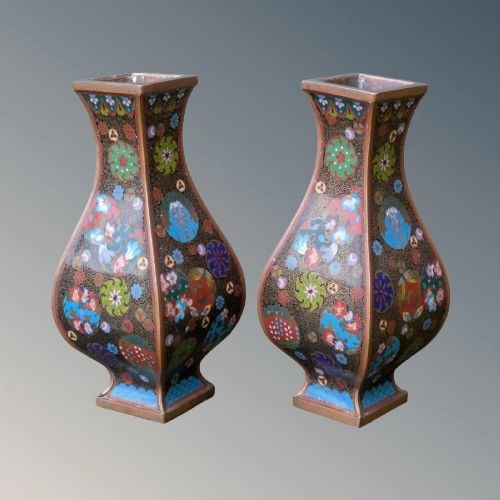
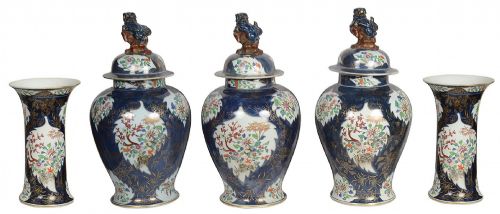
The objects span styles from Qing dynasty production to Chinese export wares and later Victorian interpretations. Many survive as pairs, reflecting their traditional placement on furniture sets or mantelpieces.
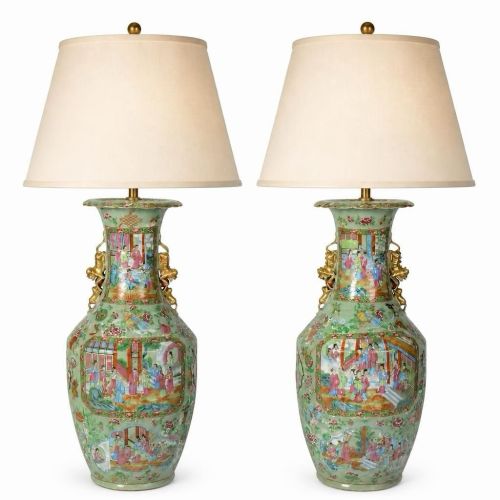
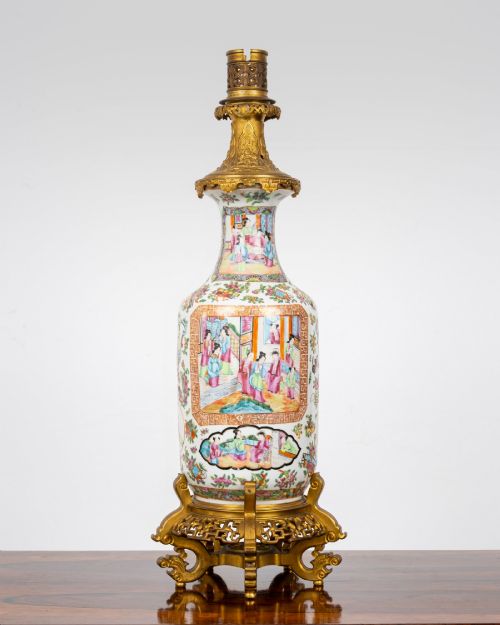
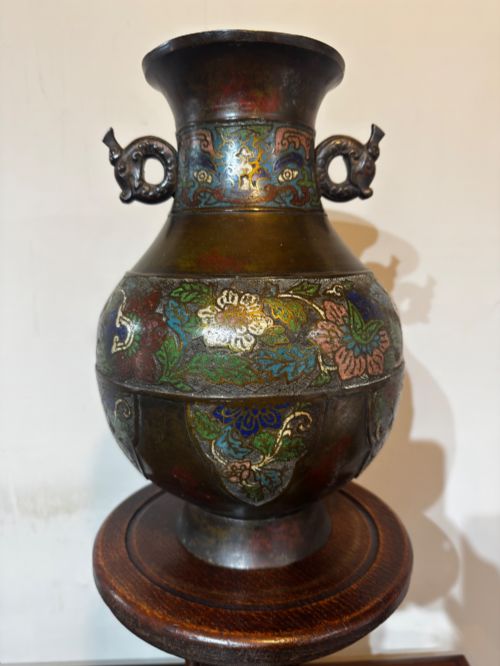
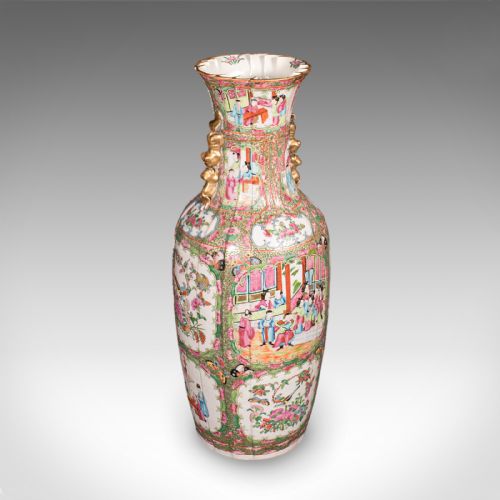
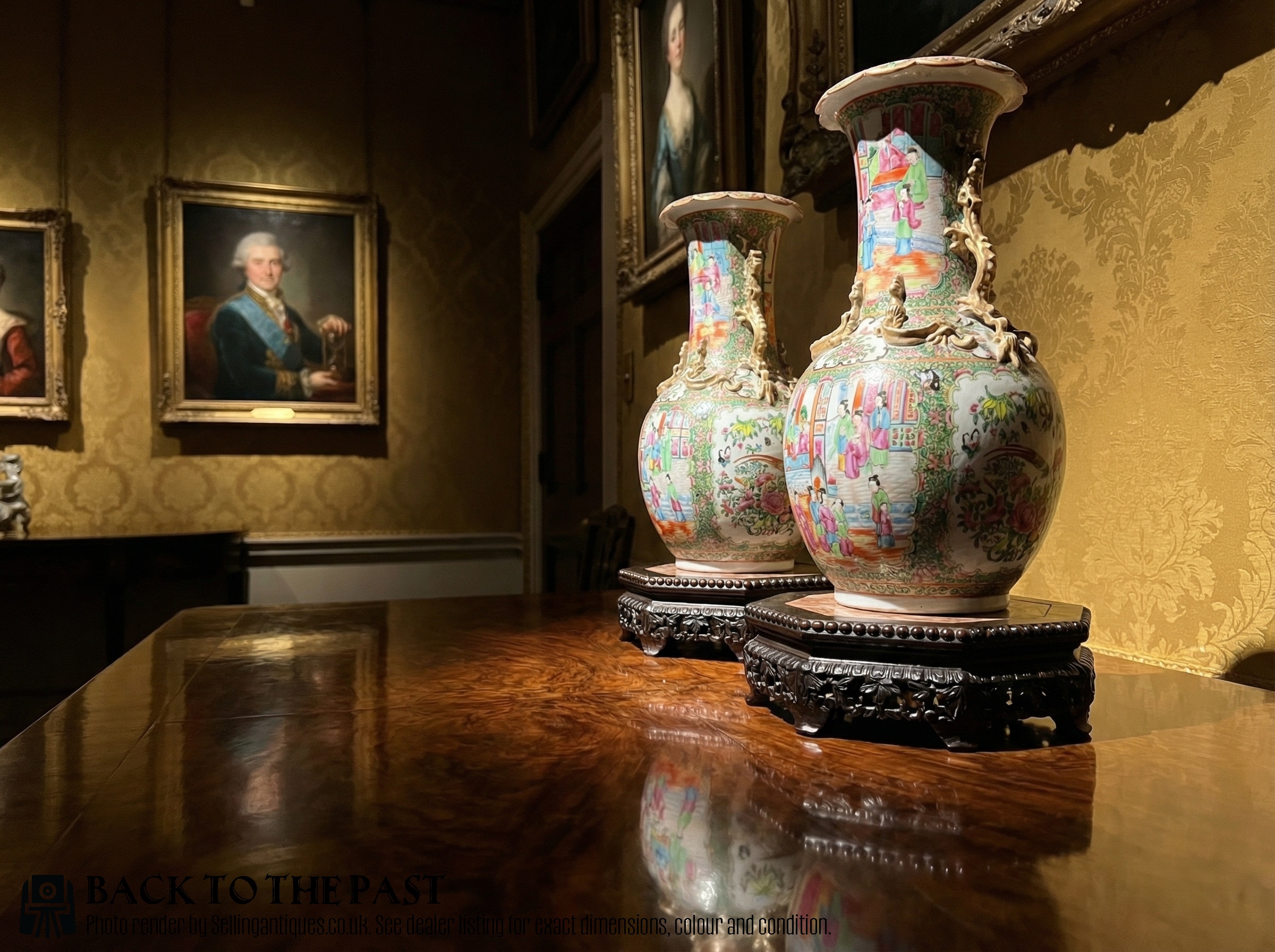
Vessels range from delicate famille rose and rose medallion porcelain painted with figures and florals to robust bronze twin-handled shapes and carved red lacquer surfaces. Some examples show later adaptations into lamps while retaining their original bodies.
Materials and Construction
Makers utilised high-fired porcelain decorated with polychrome enamels, gold leaf, and gilding, alongside bronze cast with intricate details. Cinnabar lacquer pieces required multiple layers of carved red resin built upon a core.
Potters and metalworkers shaped clay and metal by hand, applying glazes such as crackleware, yellow monochrome, and blue and white underglaze pigments before kiln firing. Enamelled surfaces received secondary firings to fuse the glass paints to the porcelain body.
Retail Price Guide 2026
Typical UK retail prices for 19th century chinese vases, calculated from the Sellingantiques database of over a million retail prices indexed since 2003. This retail price guide relies exclusively on Sellingantiques data; no external sources or auction records are used, so the figures do not describe the wider market.
Several heavy bronze examples tip the scales at over two kilograms, ready to anchor your papers.
Judging Quality and Execution
The finest examples display precision in the brushwork of figures and floral panels, with crisp definition in carved lacquer layers and cast bronze ornament. Superior porcelain shows a smooth, even glaze distribution without surface flaws or pooling in the enamels.
Proportion and the crispness of detail separate standard production from exceptional pieces. Heavier bronze castings and deeply carved cinnabar surfaces indicate superior craftsmanship and material expenditure.
The 19th Century Chinese Vases Glossary
- Famille Rose
- A palette of opaque enamels dominated by pink or rose colours, introduced during the Qing dynasty. It allowed artists to paint subtle tonal gradations on porcelain.
- Cinnabar Lacquer
- A technique involving numerous coats of coloured tree resin applied to a base and carved deeply with motifs. The resulting red surface reveals dense, intricate relief patterns.
- Moon Flask
- A flat-backed, circular porcelain flask supported by a small foot and featuring two small handles on the neck. They derive their shape from ancient nomadic leather vessels.
- Rose Medallion
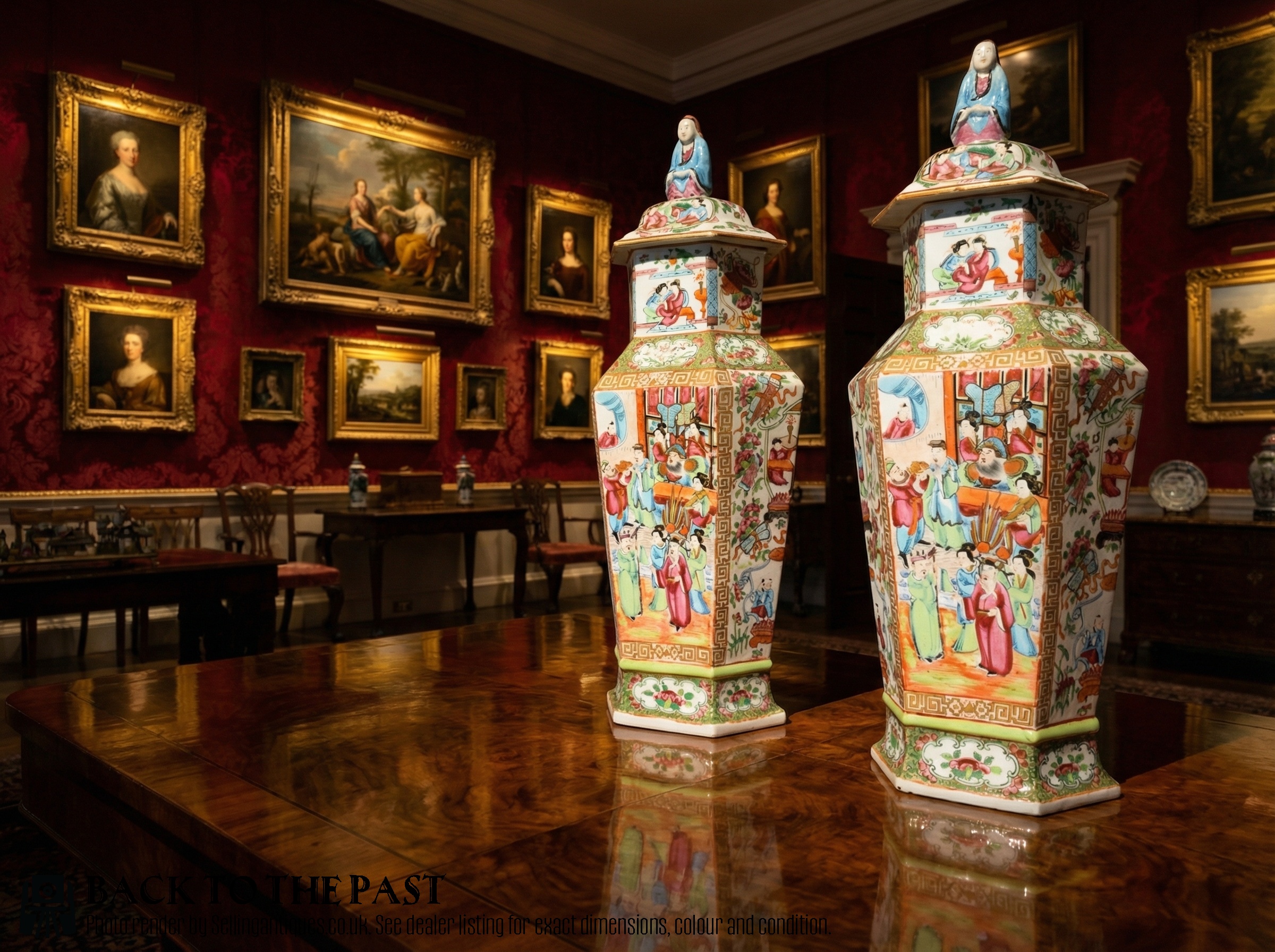
- A distinct style of Canton porcelain featuring panels filled with figures, birds, and flowers separated by gilt borders. The decoration covers the visible surface in dense, colourful patterns.
- Crackleware
- A type of glaze intentionally patterned with a network of fine cracks or crazing. This finish mimics ancient ceramic styles prized by collectors for its texture.
Frequently Asked Questions
Are these pieces waterproof?
Most antique vessels function best as decorative objects rather than containers for water and fresh stems. Historic bodies and old glazes can be porous or vulnerable to moisture.
If you wish to display botanicals, place a small glass container safely inside the neck to protect the interior.
Can I convert a vase?
Many examples on the market show past adaptations into table lamps, often with drilled bases or fitted hardware. Collectors weigh the presence of alterations against the decorative utility of the piece.
Undamaged porcelain and bronze retain higher collectible standing when they preserve their original unaltered form.
How do I date these objects?
Examine the material, base characteristics, and enamel styles to establish a period of origin. Nineteenth-century production shows specific palette choices and manufacturing marks typical of the Qing era.
Comparing potting weight, bronze patination, and glaze consistency against documented examples helps confirm the timeframe.