




Rose Medallion Porcelain Vases
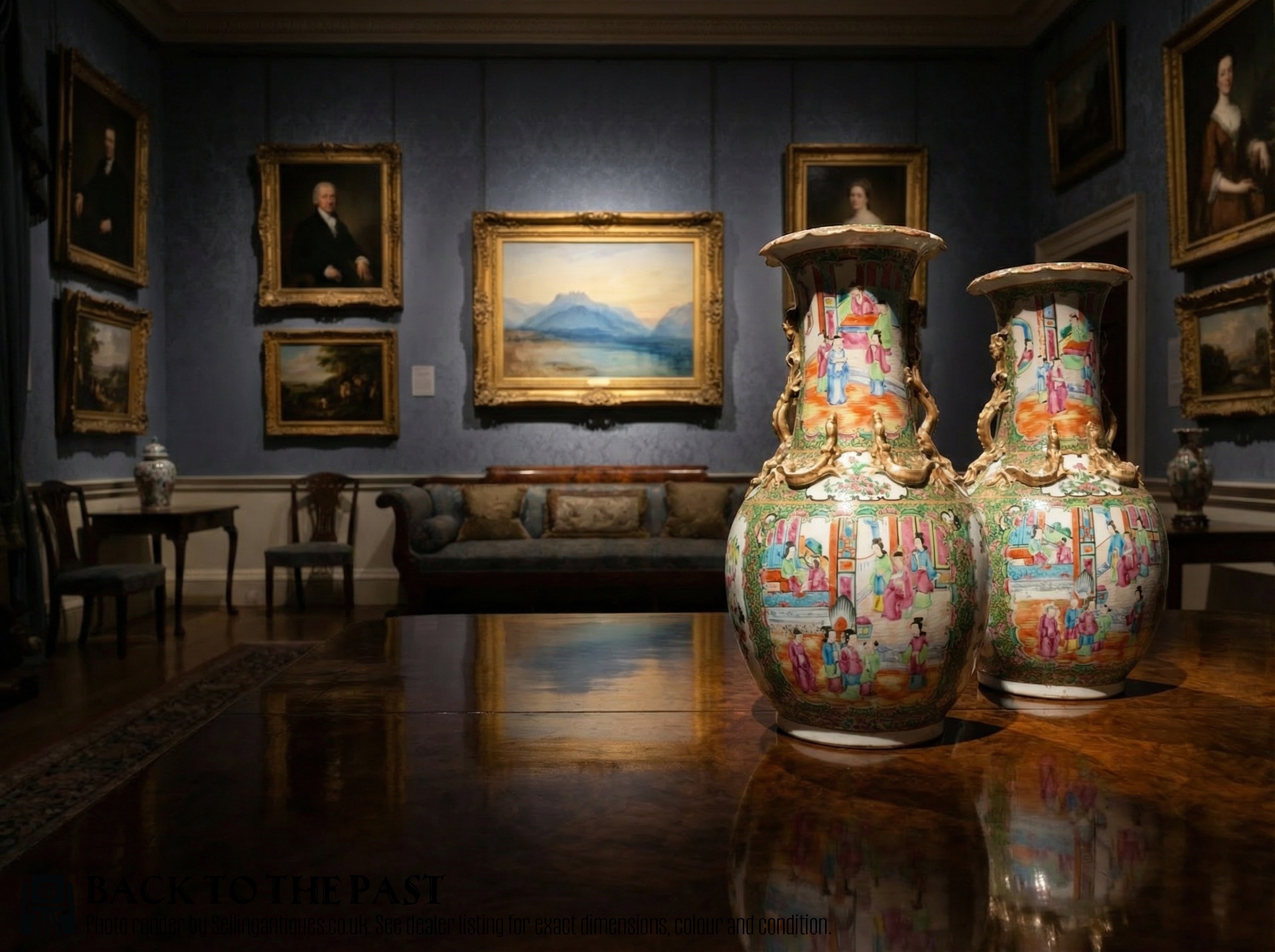
Rose medallion porcelain vases are richly panelled Chinese export ceramics painted with figures and birds, sought for their vibrant palette.

Rose Medallion Porcelain Vases
When you search for rose medallion porcelain vases, you encounter nineteenth-century Chinese export ceramics produced during the Qing dynasty. These pieces span the Victorian era, showing distinct regional origins in Canton alongside classifications like Chinese export porcelain and Chinoiserie.
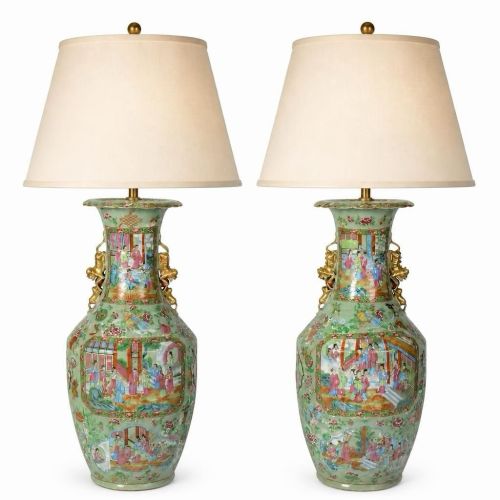
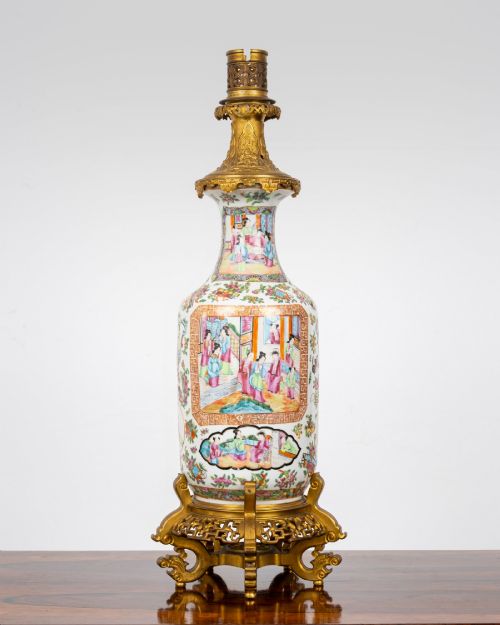
The objects on this page appear predominantly as decorative vases, lidded vessels, baluster vases with covers, and umbrella stands. Many examples also function as table lamps, occasionally fitted with gilt bronze mounts, orormolu, or stands.
Materials and construction
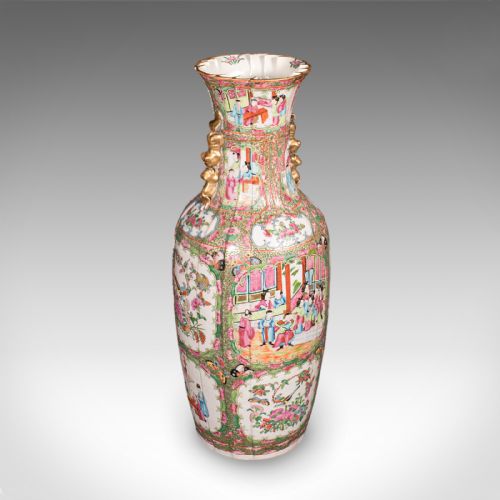
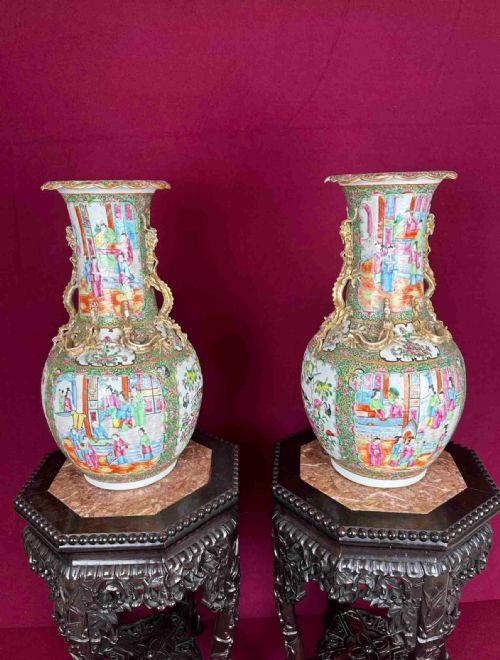
These pieces utilise ceramic porcelain as the primary body, painted with polychrome enamel work featuring abundant gilding, gold leaf, and gilt. The decoration relies on detailed brushwork to delineate panels of figures, birds, and botanical motifs.
Mounts and structural adaptations incorporate brass, gilt bronze, or fabric shades, particularly on pieces converted into lamps during later periods.
Rose Medallion Porcelain Vases Retail Price Guide 2026
Typical asking prices for rose medallion porcelain vases among the pieces listed under this phrase on Sellingantiques today, from the lower quarter to the upper quarter. They describe what is for sale here now, not the wider market.
The listings span the nineteenth century, Victorian era, and early twentieth century, incorporating porcelain, enamel, brass, and gold leaf.
Assessing quality and craftsmanship
Quality rests in the precision and density of the enamelling across the panels, where finer examples display crisp outlines and controlled application of gold leaf and gilt. The handling of the porcelain body, from monumental baluster forms to umbrella stands, dictates the structural ambition of the piece.
The integration of metalwork, such as orormolu or brass mounts, distinguishes standard decorative vessels from exceptional examples adapted with luxury hardware during the nineteenth century.
The Rose Medallion Porcelain Vases Glossary
- Rose Medallion
- A distinct style of Chinese export porcelain decorated with alternating panels of figures, birds, and flowers centred on a medallion. This palette dominated nineteenth-century production in Canton.
- Canton
- A major Chinese port and manufacturing centre where export porcelain was decorated for Western markets. Pieces from this region often share stylistic traits associated with the Qing dynasty.
- Baluster
- A tall vase form characterised by a bulbous lower body tapering to a narrower neck and flared rim. This silhouette provides a large surface area for multi-panel enamel scenes.
- Ormolu
- Gilt bronze mounts applied to the base, rim, or handles of ceramic vessels. This technique appeared frequently on nineteenth-century luxury imports adapted for European interiors.
- Famille Rose
- A broad ceramic category defined by an opaque pink enamel derived from colloidal gold. Rose medallion sits within this family alongside related nineteenth-century Chinese export styles.
Rose Medallion Porcelain Vases: Frequently Asked Questions
What is a rose medallion vase?
A rose medallion vase is a nineteenth-century Chinese export porcelain vessel decorated with segmented panels of figures, birds, and flowers.
These pieces were produced primarily in Canton for Western markets during the Qing dynasty and Victorian periods.
How do I spot a lamp conversion?
Lamp conversions often feature drilled bases or fitted brass, gilt bronze, and orormolu mounts designed to hold electrical hardware.
Many nineteenth-century examples arrived in Europe or Britain and were subsequently adapted to serve as table lamps with fabric shades.
Are these vases from the Qing dynasty?
Most pieces date from the nineteenth century, aligning chronologically with the Qing dynasty in China.
Listings often reference specific decades or the Victorian period to contextualise their age and export origin.
Where were these ceramics made?
These ceramics originated in China, specifically within the workshops and export hubs of Canton.
From there, they travelled through international trade routes to reach British and European households.