
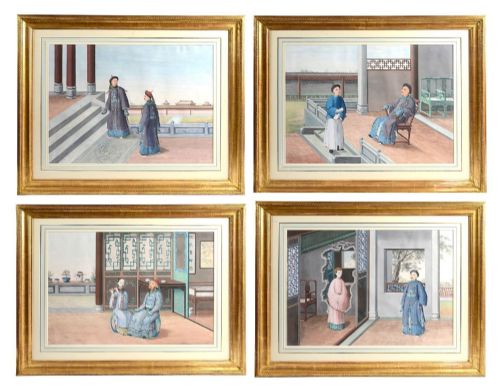
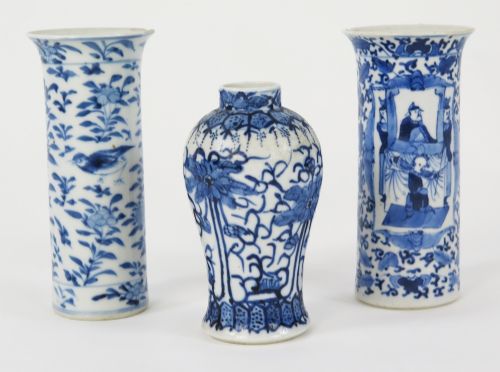
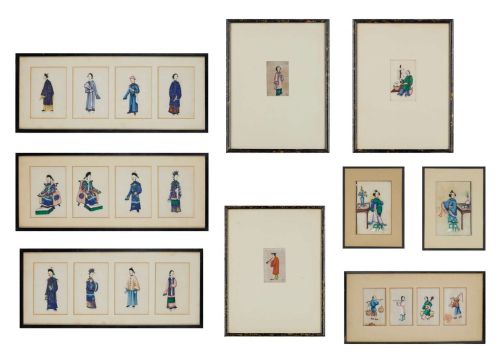
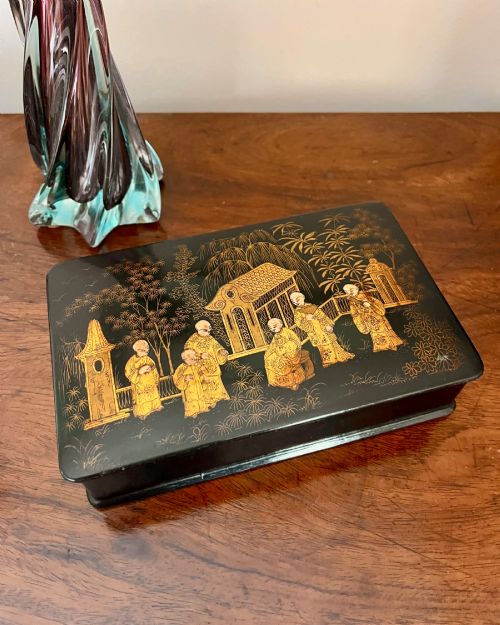

19th Century Chinese Export
These 19th century chinese export pieces span porcelain, lacquer, silver, and hardwood created for Western markets.
19th Century Chinese Export
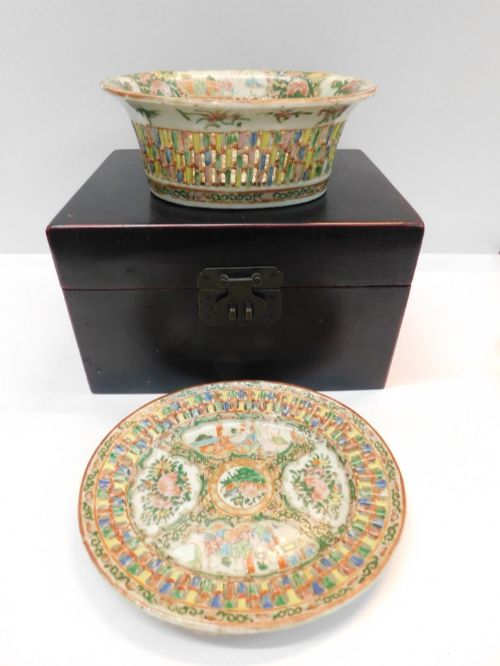
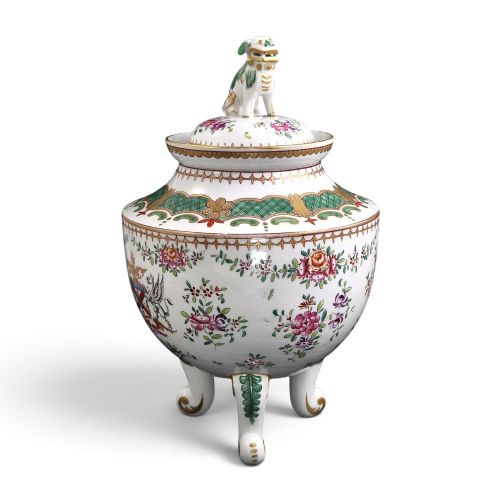
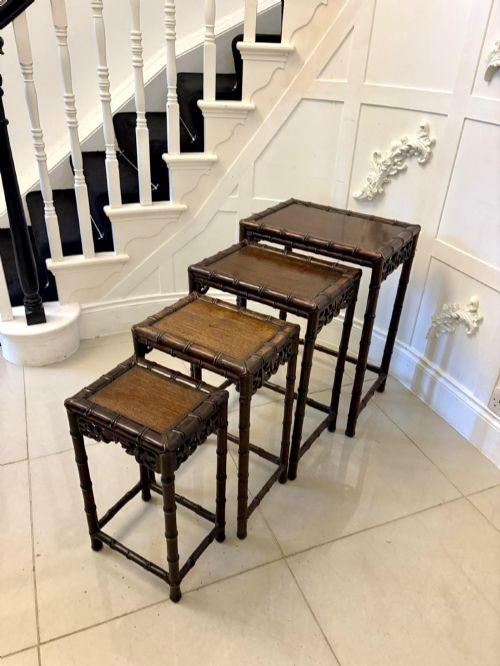
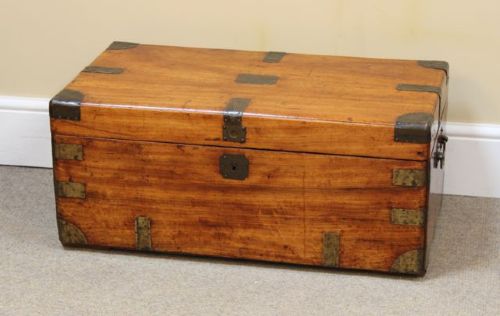
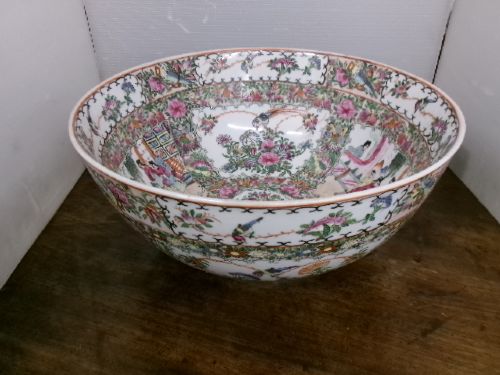
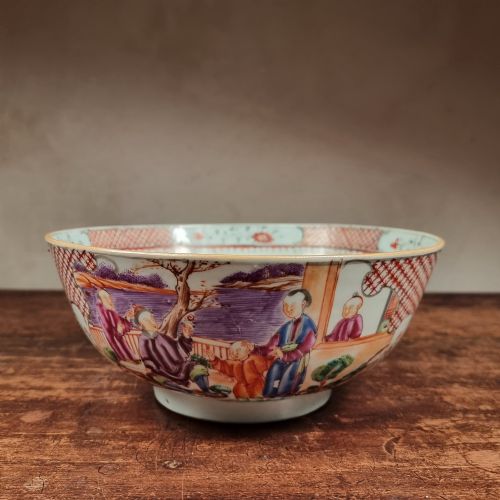
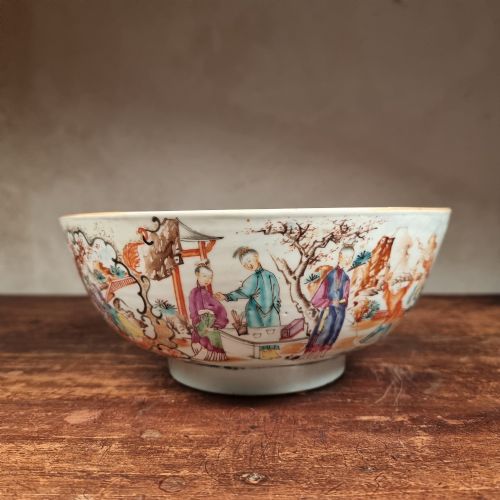
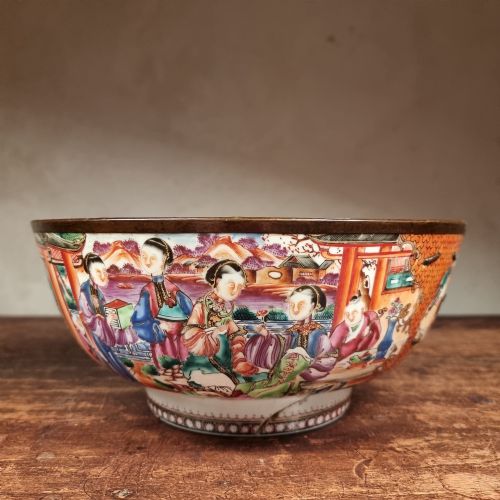
When you search for 19th century chinese export, you encounter objects made in China specifically for Western trade alongside European interpretations created in the same taste. The selection ranges from large porcelain punch bowls and famille rose dishes to camphor wood chests and lacquer work tables.
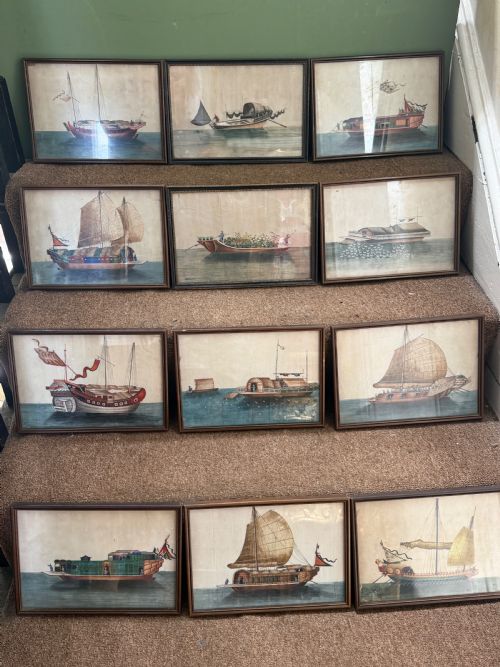
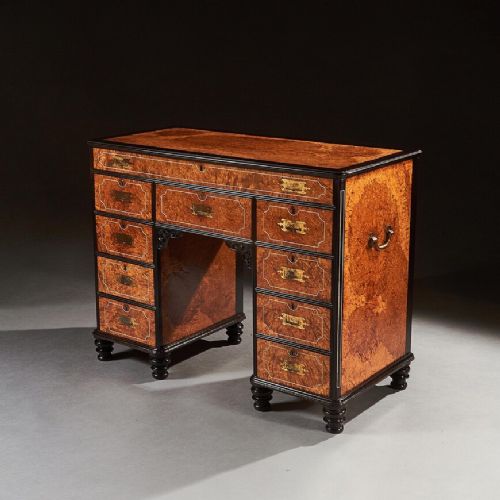
Buyers find portable furniture such as campaign desks and chests alongside delicate works on pith paper and gouache watercolours depicting ships and figures. These items reflect both traditional Chinese craftsmanship and the specific demands of overseas merchants.
What Varies in Quality
The refinement of the hand-painted detail separates standard export pieces from exceptional works, particularly in the precision of facial expressions on figural porcelain and pith paintings. Crispness in the carving of lacquer boxes and hardwood furniture likewise indicates superior workshop standards.
Material selection dictates value, with dense exotic woods and heavy silver mounts representing higher tiers of production than softer secondary timbers or base metals. The preservation of original gilt decoration on lacquer surfaces remains a primary indicator of condition and original grade.
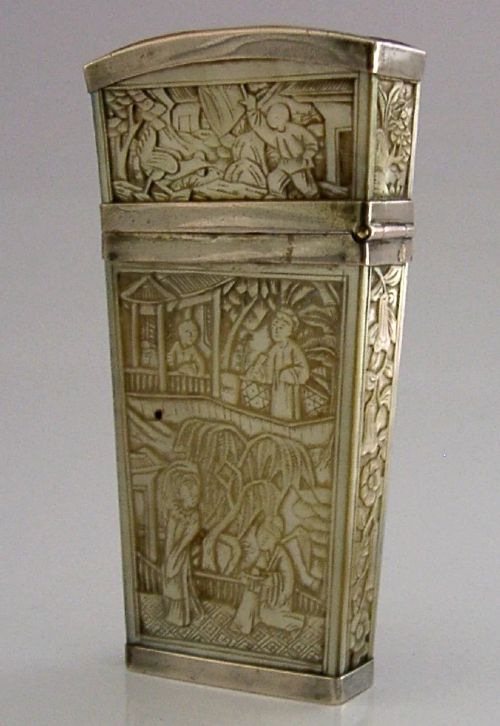
Listings feature diverse forms including porcelain dishes, lacquer games tables, silver card cases, and pith paper paintings from the nineteenth century.
Edmé Samson And Cie·Wang Hing And Company
The 19th Century Chinese Export Glossary
- Famille Rose
- A major palette of Chinese ceramic glazes introduced in the Qing dynasty, distinguished by opaque pink or rose enamel. It dominates many export plates and punch bowls.
- Canton
- A major port city in southern China where much of the export porcelain and lacquerware was decorated and shipped to Western markets. Pieces from this region often feature crowded floral and figural motifs.
- Campaign Desk
- Portable furniture designed for military officers or travellers, featuring brass corners, recessed handles, and sections that separate for transport. These were constructed from durable timbers like camphor wood and padauk.
- Pith Paper
- A delicate material cut from the pith of the Tetrapanax papyrifer plant, used extensively in the nineteenth century for vibrant watercolour paintings. It possesses a velvety texture that absorbed pigments intensely.
- Gaiwan
- A traditional Chinese tea set consisting of a saucer, bowl, and lid, used for steeping and drinking tea. Export examples combine utilitarian function with intricate enamel decoration.
19th Century Chinese Export: Frequently Asked Questions
What is Chinese export porcelain?
Chinese export porcelain refers to ceramic wares manufactured in China specifically for export to European and American markets. These items frequently blended traditional Chinese manufacturing techniques with Western shapes and armorial crests requested by foreign buyers.
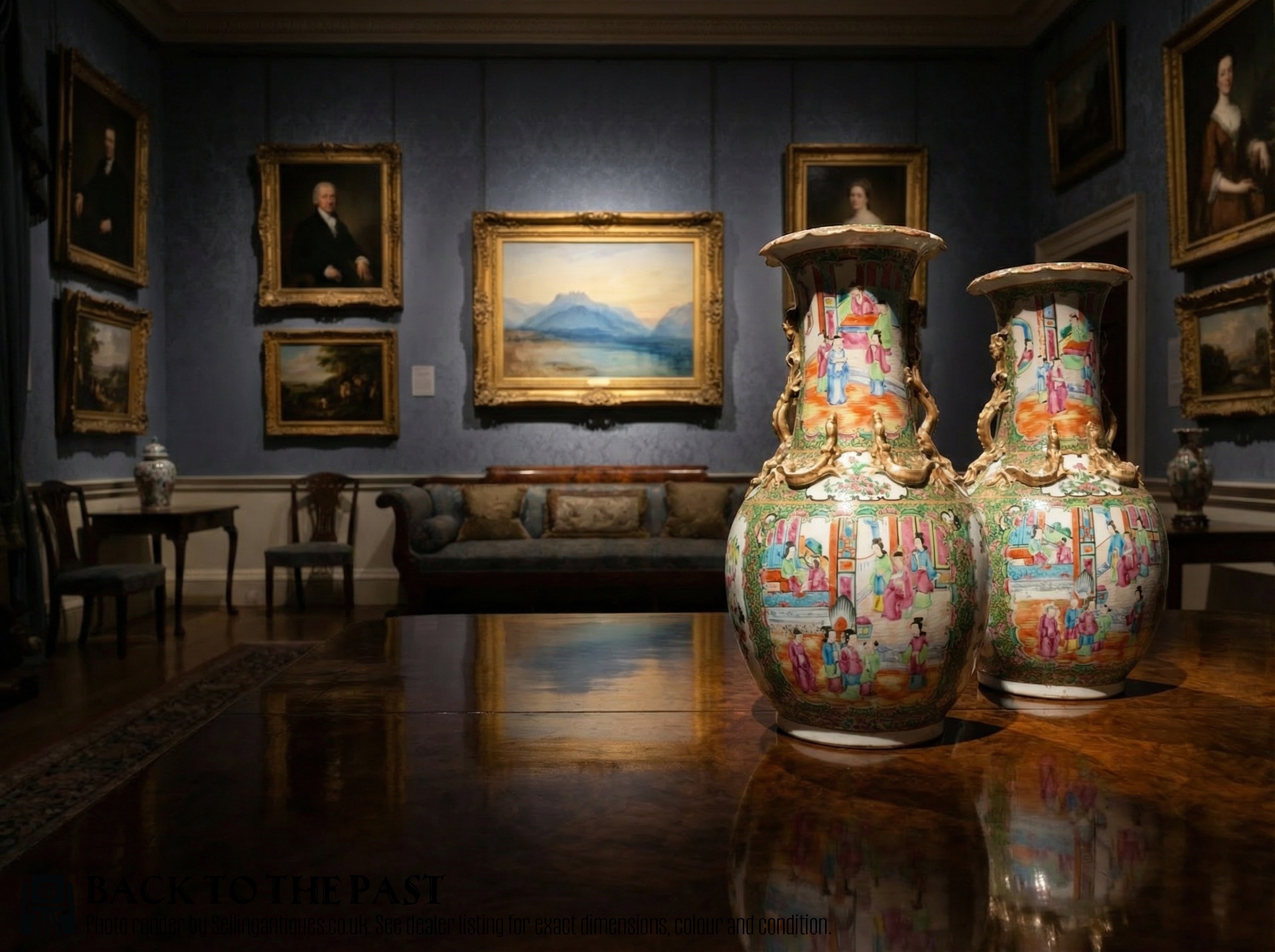
Over the nineteenth century, production expanded significantly in centres like Canton, resulting in diverse decorative styles such as rose medallion and famille verte.
How do I care for antique lacquer?
Antique lacquer requires stable environmental conditions away from direct sunlight and extreme humidity changes to prevent warping or cracking of the wooden core. Dusting should be performed gently with a soft, dry cloth without chemical polishes.
Handling should be minimised, especially around edges where the lacquer layers are thinner and more susceptible to chipping from impacts.
What are pith paintings?
Pith paintings are detailed watercolours created on a delicate organic material derived from plant pith rather than traditional tree-based paper. Nineteenth-century artists used them to depict local trades, flora, fauna, and maritime scenes for foreign visitors.
Because the material is fragile and sensitive to light, these works are typically framed behind glass to protect them from moisture and physical damage.
How are campaign chests different?
Campaign chests are designed in modular sections with recessed brass handles and corner brackets to facilitate easy transport during military campaigns or overseas travel. They are constructed from sturdy timbers such as camphor wood, which also offered natural insect-repellent properties.
These practical fittings distinguish them from standard domestic chests of drawers intended for stationary placement in a home.