




Hand Painted Chinese Vases
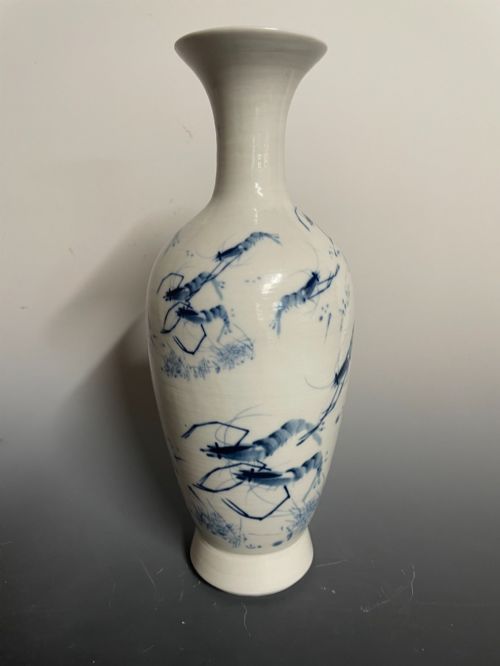
Hand painted Chinese vases bring centuries of kiln mastery and intricate brushwork into a room.
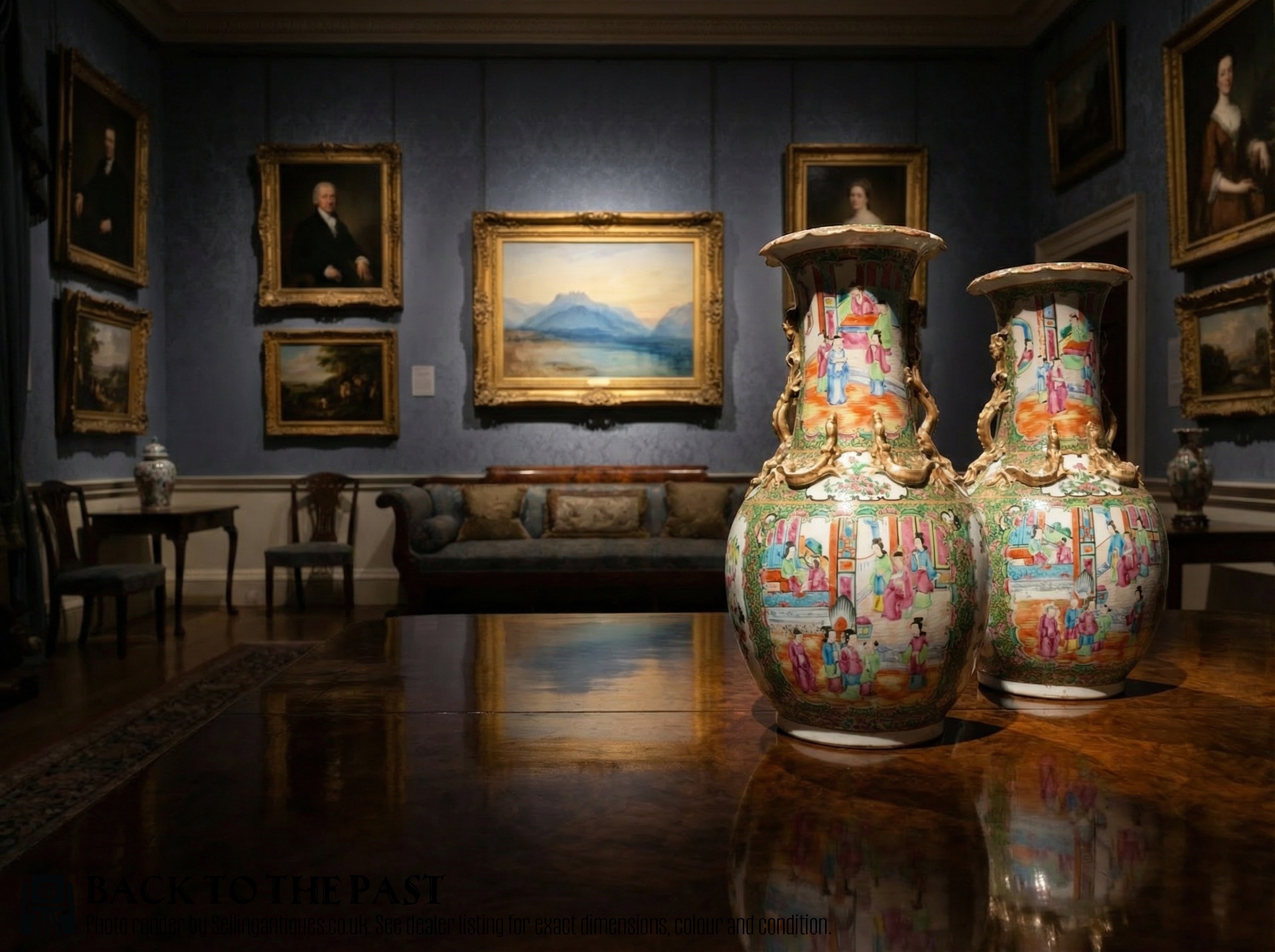
What hand painted Chinese vases are
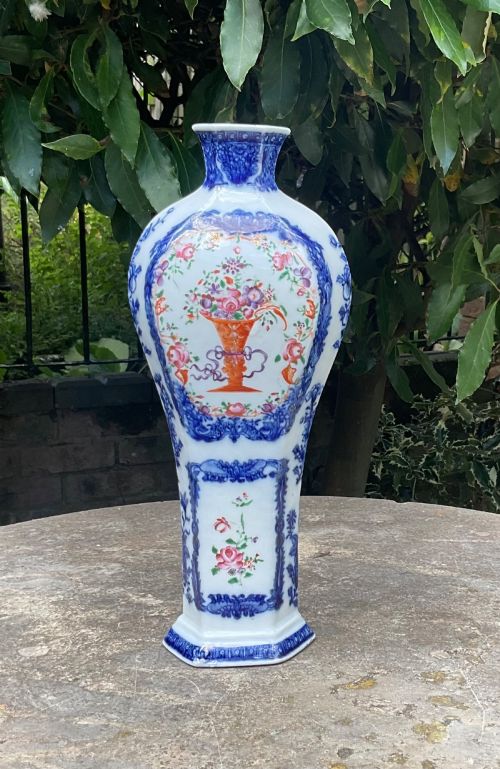
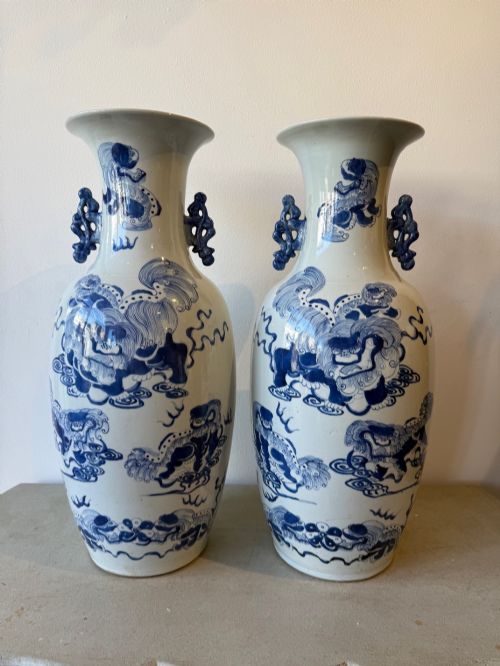
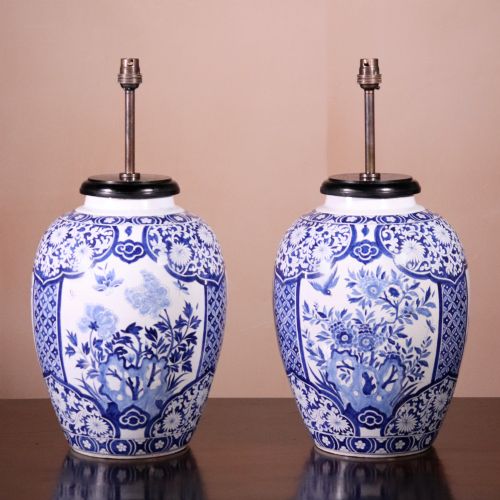
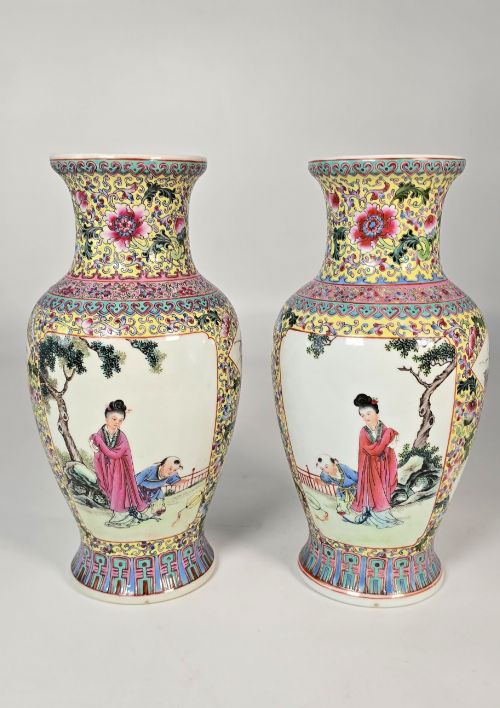
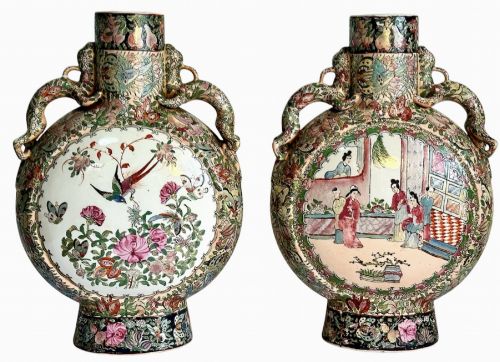
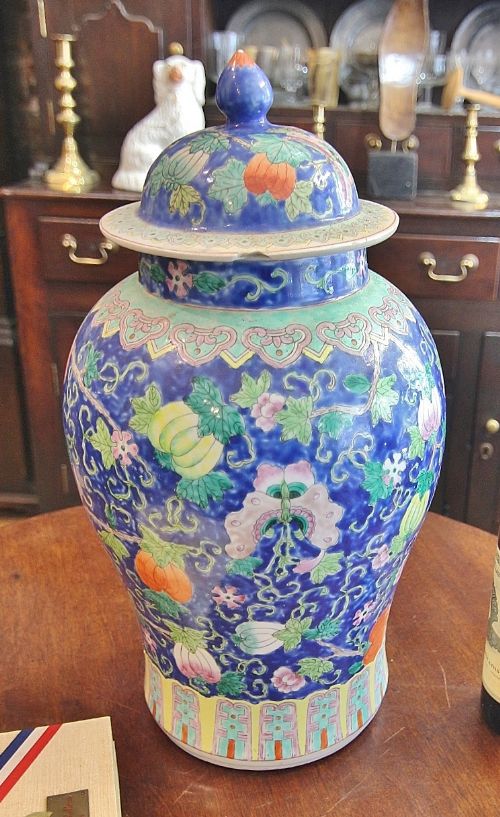
Hand painted Chinese vases cover several distinct forms, including floor jars, large blue and white vessels, and Canton porcelain pieces. Buyers encounter examples originating from the nineteenth century, the Victorian era, and nineteen twenty.
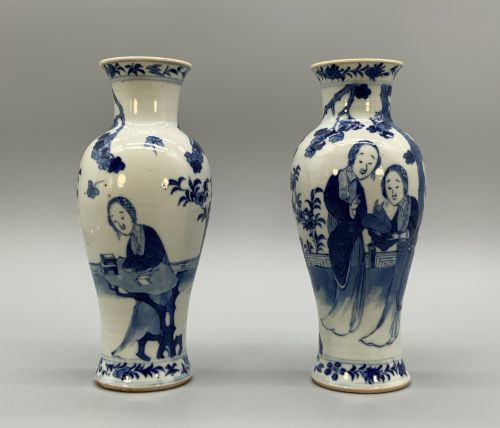
The aesthetic draws on Chinese Qing style, Chinese export traditions, and Qing dynasty design principles. Vases appear as decorative pairs, bringing symmetry to a mantelpiece or floor space.
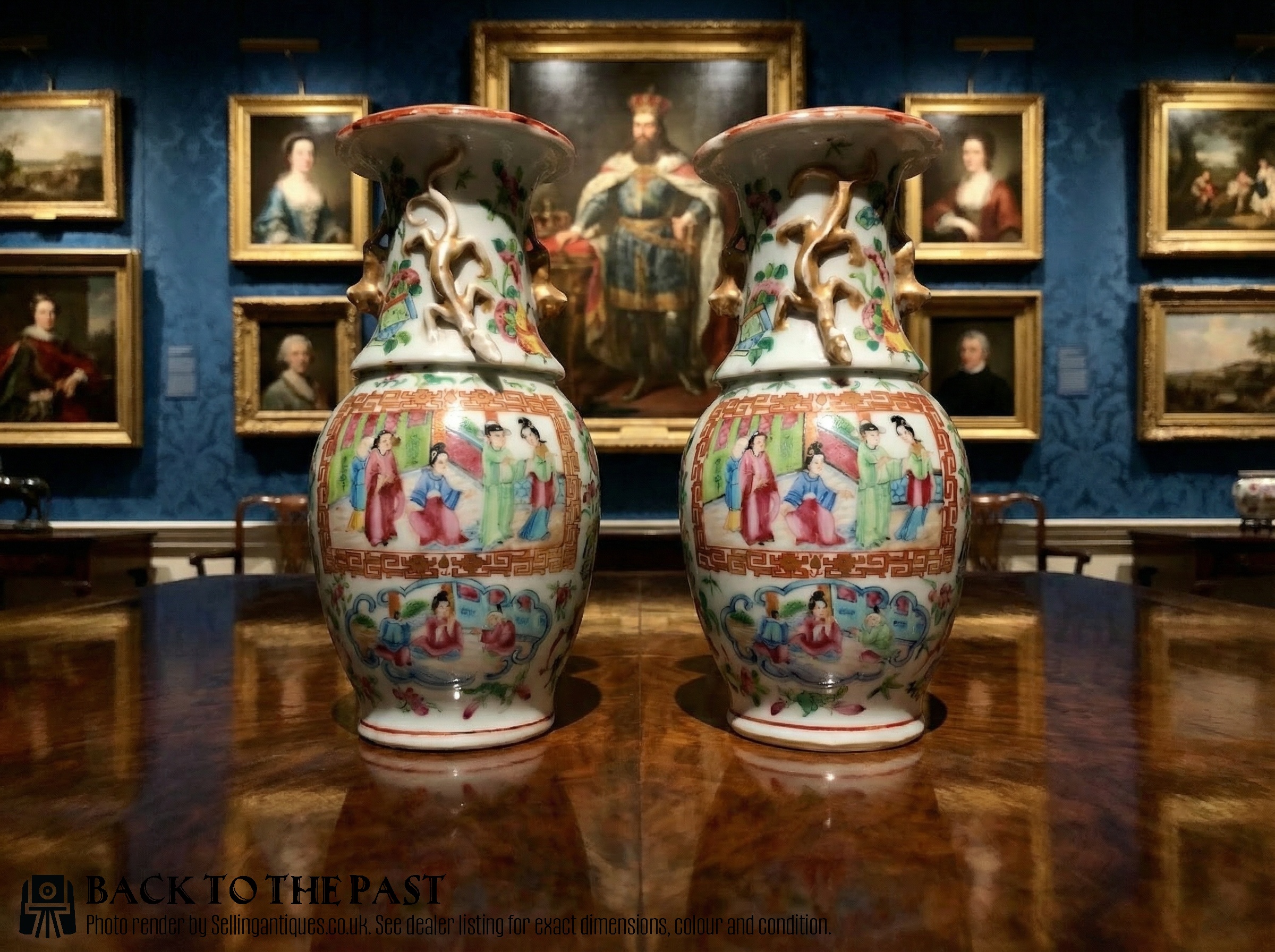
How they were made
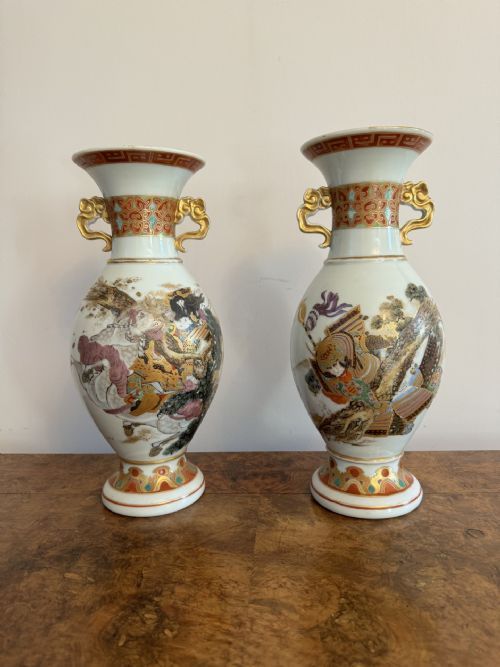
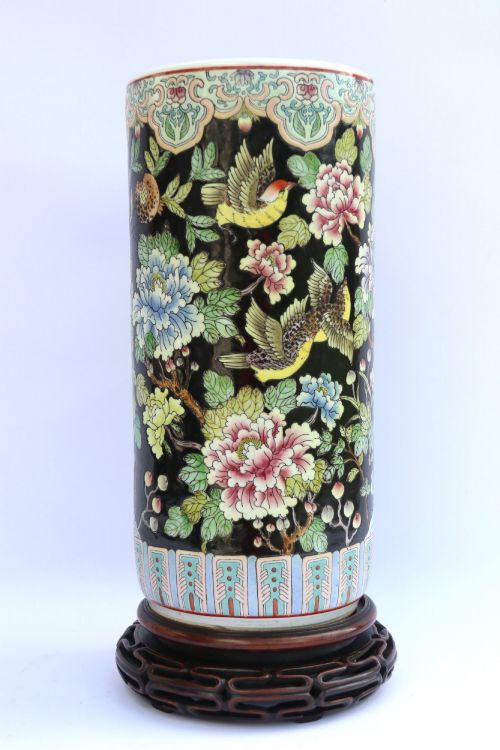
Makers shaped ceramic and porcelain bodies before applying cobalt glaze or enamel glaze by hand. Artisans utilised gold leaf and gilt detailing to accent specific motifs across the surface.
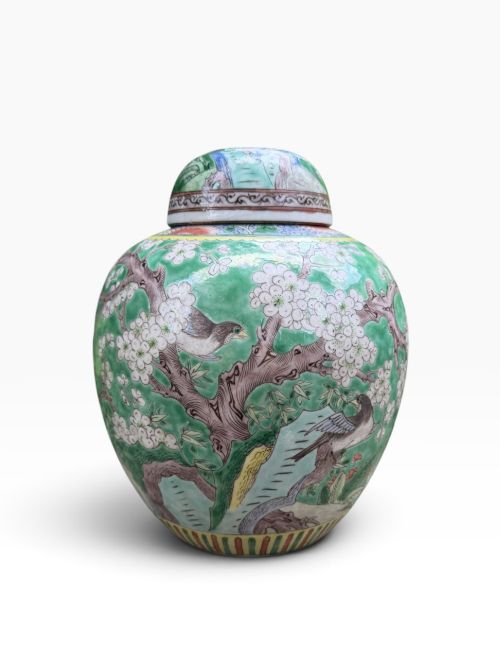
Enamel colours were worked over the fired ceramic base, combining brushwork with multiple kiln firings to set the pigments.
Retail Price Guide 2026
Typical UK retail prices for hand painted chinese vases, calculated from the Sellingantiques database of over a million retail prices indexed since 2003. This retail price guide relies exclusively on Sellingantiques data; no external sources or auction records are used, so the figures do not describe the wider market.
Every single vase listed on this page currently travels in pairs.
What varies in quality
Quality rests in the precision of the brushwork and the depth of the cobalt or enamel glaze. Finer pieces display crisp botanical or figurative scenes executed with steady control.
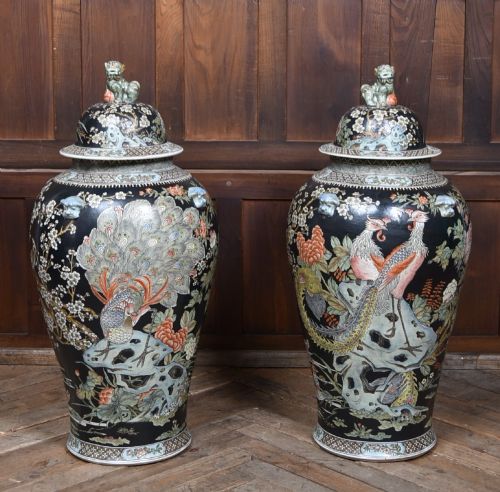
The application of gold leaf and gilt work separates standard decorative output from superior examples, where the gilding remains sharp and registers cleanly against the porcelain ground.
The Hand Painted Chinese Vases Glossary
- Porcelain
- A hard, fine-grained ceramic material fired at high temperatures until vitrified. It forms the smooth white body beneath the glaze.
- Cobalt glaze
- A deep blue mineral pigment applied directly to the clay body before the primary glaze firing. It produces the characteristic dark blue tones seen in traditional vessels.
- Enamel glaze
- Opaque glass-like colours painted over a fired and glazed surface. These pigments require a secondary, lower-temperature firing to bond.
- Gilt
- A thin layer of gold applied to the surface of the ceramic or enamel. It provides bright metallic highlights.
- Canton
- A major trading port associated with specific styles of export porcelain. Pieces from this centre often feature dense polychrome enamel decoration.
Frequently Asked Questions
How do I date these vases?
Dating relies on stylistic markers, potting characteristics, and recorded period markers such as the nineteenth century or nineteen twenty.
Changes in enamel palettes and glaze thickness help separate Victorian export pieces from earlier Qing dynasty examples.
Are these vases always made of porcelain?
The evidence shows these items constructed from porcelain and ceramic materials. Both serve as the primary vehicle for hand painted glazes.
Potters selected the clay body depending on the intended thickness and form of the vessel.
What is Chinese export porcelain?
Export pieces were made specifically for overseas markets in Europe and the West. They adapt traditional Chinese motifs to suit foreign tastes.
Many nineteenth century examples follow this trading tradition.
How should I display a pair of floor vases?
Large floor jars and palace vessels suit prominent spaces where their height and scale remain balanced. Pairs work best positioned symmetrically.
Keep them away from high traffic areas to protect the enamel and gilt surfaces.