



Polychrome Porcelain Floor Vase
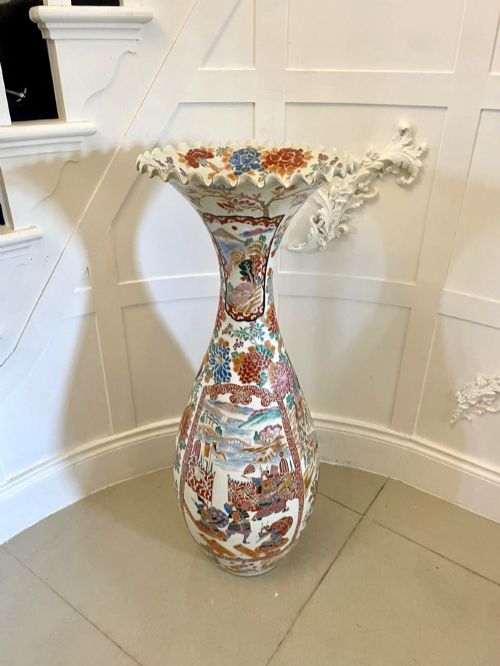
A polychrome porcelain floor vase makes an immediate architectural statement in a room, offering grand scale and intricate painted detail.
Polychrome Porcelain Floor Vase
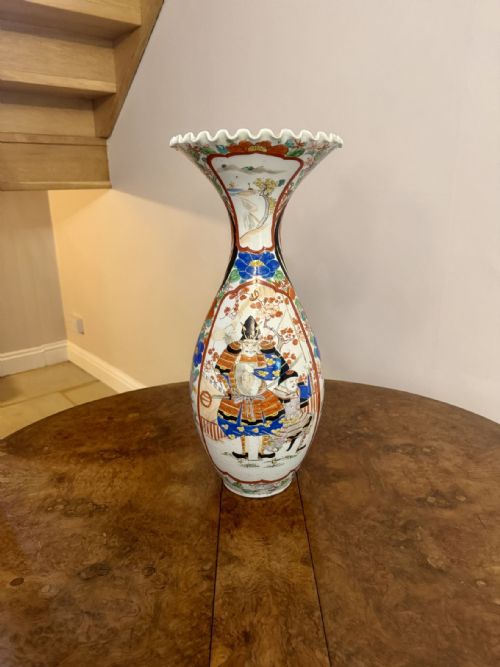
A polychrome porcelain floor vase brings together substantial physical presence and multicoloured painted decoration designed for display in large reception spaces. When exploring this selection, buyers encounter impressive nineteenth-century examples spanning the Victorian era, Qing Dynasty, and Meiji Period.
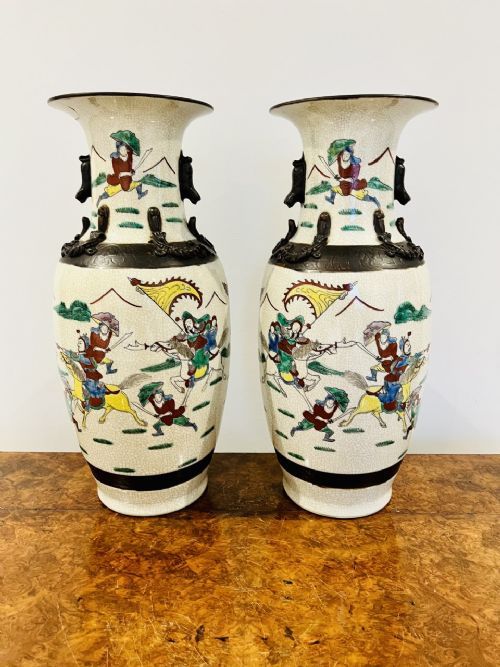
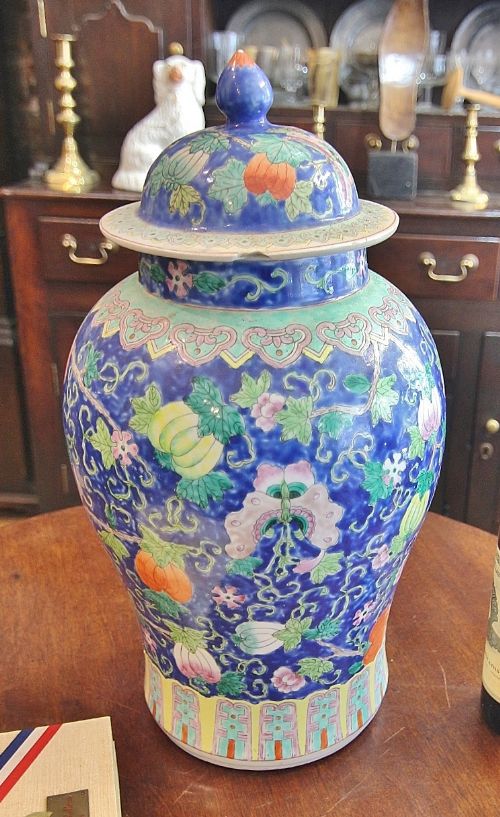
The inventory centres heavily on monumental forms originating from China and Japan, including baluster vases, lidded vessels, and pairs set upon wooden stands. Pieces range from grand Chinese Canton and Rose Medallion works to Japanese Imari, Satsuma, and Kutani productions.
Most entries belong to the nineteenth century, though twentieth-century Chinese items also appear among the offerings. These floor-standing vessels demonstrate the historic export trade markets directed toward Western interiors.
Assessing quality
Quality rests upon the precision and complexity of the hand-painted enamel work, where finely rendered figures and crisp botanical details elevate an object above standard production. The density of the gilding and the harmony of the polychrome palette also distinguish superior specimens.
Scale and proportion govern the higher end of the tier, particularly with monumental pieces standing over three feet tall that retain their matching covers or original wooden stands. The clarity of the porcelain body and the controlled application of crackle glazes further separate ordinary vessels from masterworks.
Some towering floor vases stand nearly as tall as an adult.
Fukagawa
The Polychrome Porcelain Floor Vase Glossary
- Polychrome enamel
- Decoration utilising multiple colours applied to the ceramic surface. This technique allows for vibrant pictorial storytelling across the body of the vessel.
- Imari
- A style of Japanese export porcelain characterised by a palette of underglaze blue, iron red, and gold. These pieces were extensively produced for Western markets.
- Baluster
- A vase form with a rounded lower body that tapers towards the neck. This classical silhouette provides a stable base for grand floor display.
- Satsuma
- Earthenware pottery originating from Japan featuring a ivory-crackled glaze decorated with elaborate enamels and raised gold. It remains highly prized by collectors for its delicate detail.
- Overglaze enamel
- Pigments applied on top of a fired and glazed ceramic surface, then fixed with a second, lower-temperature firing. This method yields rich surface textures and brilliant hues.
Polychrome Porcelain Floor Vase: Frequently Asked Questions
Where should I place a floor vase?
These tall vessels suit spacious entrance halls, grand reception rooms, or empty architectural corners where their height draws the eye upward.
They function best away from heavy household traffic to protect their historic porcelain and enamel surfaces from accidental impacts.
Can these vases hold fresh flowers?
Historic floor vases are designed primarily as decorative sculptural objects rather than functional containers for water and foliage.
Introducing moisture inside unglazed interiors or antique ceramic bodies can cause staining, structural weakening, or damage to the historic glaze.
How do I distinguish Chinese from Japanese pieces?
Chinese examples from the Qing Dynasty frequently showcase Famille Rose or Rose Medallion palettes featuring dense narrative scenes and elaborate floral borders.
Japanese Meiji period works often display Satsuma earthenware with distinctive crackle glazes or the rich iron-red and cobalt hues characteristic of Kutani and Imari production.