




White Chinese Porcelain Vase
A white chinese porcelain vase brings quiet discipline and historic depth to a room through painted cobalt and brilliant monochrome surfaces.
White Chinese Porcelain Vase
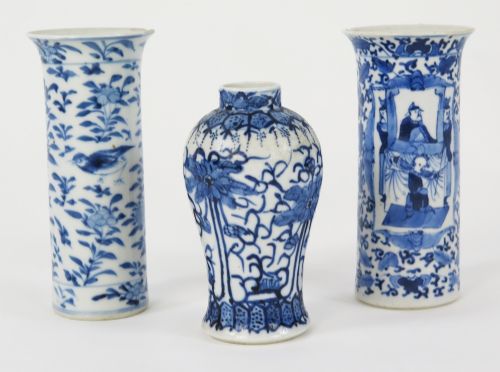
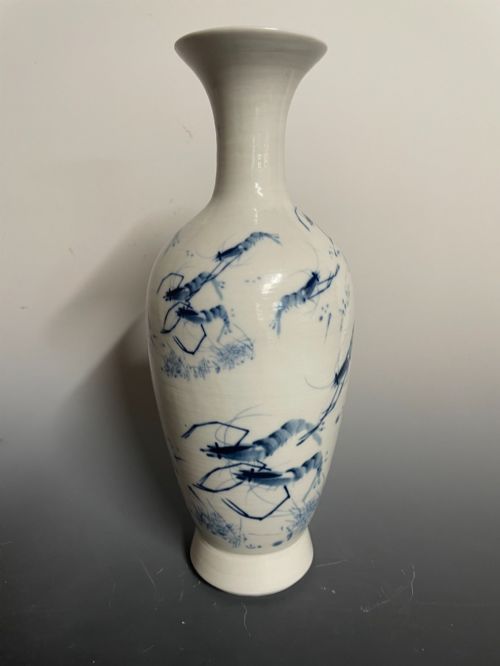
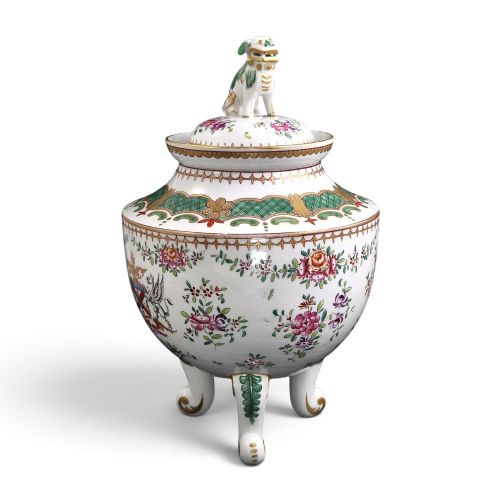
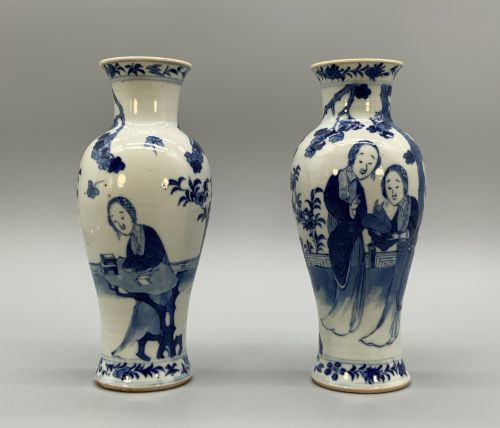
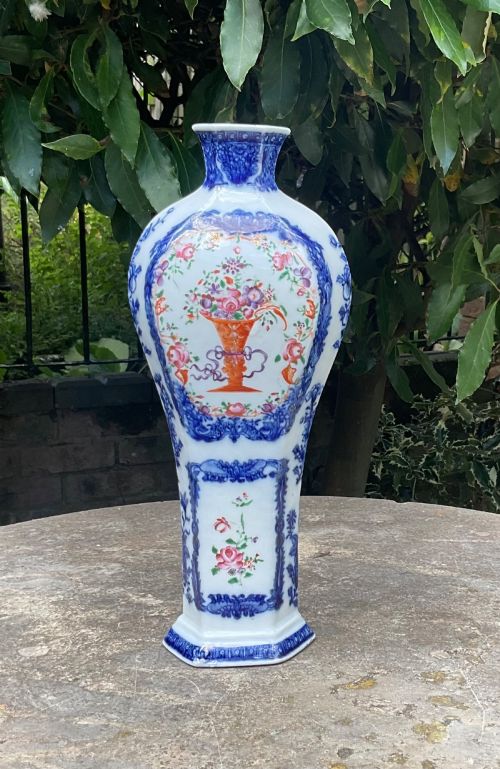
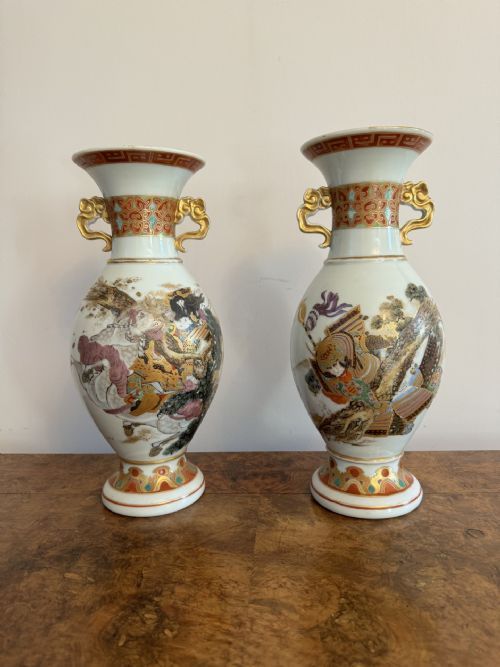
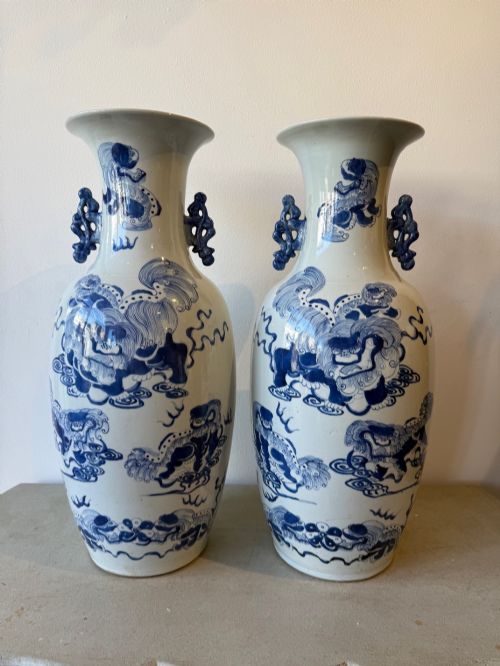
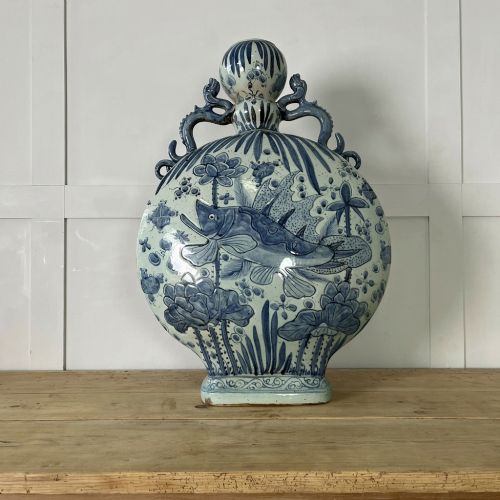
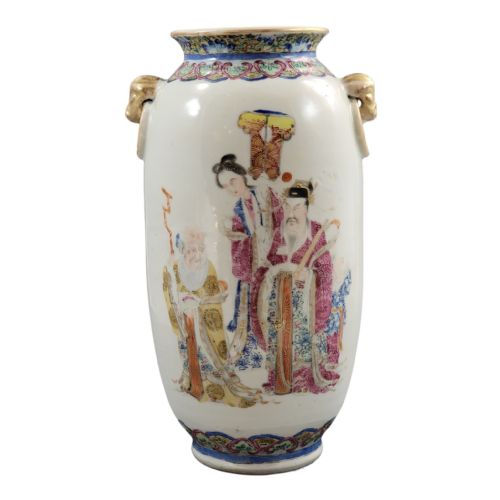
A white chinese porcelain vase encompasses centuries of kiln traditions, spanning from early imperial periods to later Republic and twentieth-century interpretations. The pieces found here range from robust blue and white dragon motifs to restrained celadon glazes and delicate famille rose enamels. Buyers often encounter nineteenth-century productions alongside older Kangxi and Qianlong style revivals.
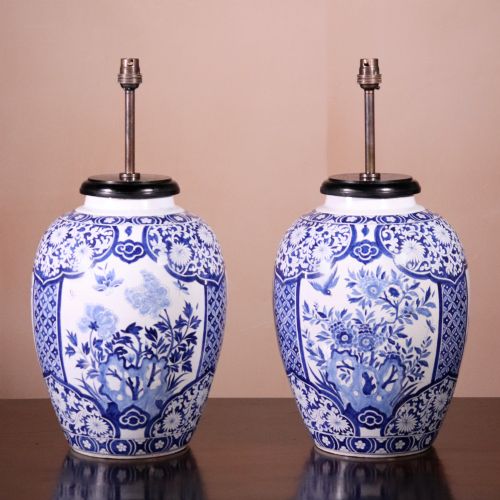
Forms vary from practical bottle vases and garlic-mouth vessels to grand double-gourd shapes and converted table lamps mounted in brass. These ceramics reflect both native Chinese domestic use and export markets designed for European tastes, including European ormolu mounts and Samson Paris interpretations.
Materials and technique
Potters built these vessels using fine-grained ceramic bodies coated in transparent or coloured glazes, fired at high temperatures in established kilns such as Jingdezhen. Cobalt glaze underglaze painting created deep blue designs beneath the glossy surface, often combined with overglaze enamels in red, green, and yellow.
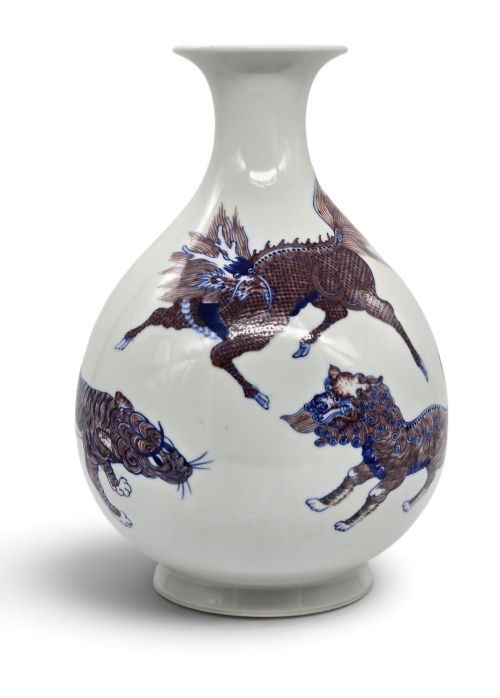
Surface decoration required steady brushwork by skilled hands, depicting scholar scenes, mythical beasts, imperial dragons, and floral motifs. Potters sometimes applied copper-red accents or carved subtle reliefs into the clay body before glazing.
One extraordinary nineteenth-century snuff bottle depicts an intimate palace scene with such microscopic detail that scholars need a magnifying glass.
Judging quality and execution
Quality reveals itself in the clarity of the underglaze cobalt, the precision of the painted lines, and the weight and finish of the porcelain body. Superior examples display balanced proportions, crisp detail in figures and dragons, and a smooth, unblemished glaze free from heavy firing distortions.
The sophistication of the potting and the confidence of the brushwork separate standard decorative items from masterworks. Marks on the base, whether period imperial characters or later studio signatures, indicate the ambition of the original workshop.
Gao Hengsheng·Samson Paris·Jingdezhen
The White Chinese Porcelain Vase Glossary
- Famille rose
- A palette of opaque overglaze enamels dominated by pink or rose colours, introduced during the Qing dynasty. It allowed for subtle tonal gradations in floral and figural scenes.
- Underglaze blue
- A decorative technique where cobalt oxide is painted directly onto the unglazed porcelain body before applying a clear glaze and firing. This locks the blue pigment permanently beneath the glossy surface.
- Meiping
- A traditional plum blossom vase shape characterised by a narrow neck, broad shoulders, and a tapering base. Originally designed to hold single branches of blossoming prunus.
- Guangxu
- A reign period lasting from 1875 to 1908 within the late Qing dynasty, known for revivals of earlier imperial porcelain styles and intricate enamel work.
- Celadon
- A type of green-glazed pottery and porcelain originating in China, prized for its jade-like appearance and subtle, translucent tones.
White Chinese Porcelain Vase: Frequently Asked Questions
How do I date a Chinese vase?
Dating relies on examining the potting style, the tone of the cobalt blue, and any reign marks found on the base. Stylistic clues often point to specific periods like the Kangxi or Guangxu eras.
Comparison with documented pieces in museum archives helps confirm whether a vase belongs to an imperial period or a later nineteenth-century revival.
What is the difference between export and domestic pieces?
Export porcelain was manufactured specifically for European and Western markets, frequently incorporating shapes like tulipieres or European metal mounts. Domestic wares adhered more strictly to traditional Chinese aesthetic standards and local scholarly tastes.
Both categories share high technical skill, but their decorative motifs and vessel forms often reflect the intended final audience.
Can I use these vases as table lamps?
Many antique vases were converted into lamps during the nineteenth or twentieth centuries, sometimes with fitted brass bases or fabric shades. This was a common practice that preserved decorative ceramic bodies for domestic lighting.
Buyers should inspect whether the conversion involved drilling the base or utilising safe bracket mounts that respect the integrity of the porcelain.
How should I clean antique porcelain?
Maintenance requires only a soft, dry cloth to gently remove dust from the glazed surface and painted details. Avoid harsh chemical cleaners or abrasive pads that might scratch the glaze or damage overglaze enamels.
Keeping the pieces away from direct sunlight and sudden temperature shifts protects the ceramic body and glaze over time.