

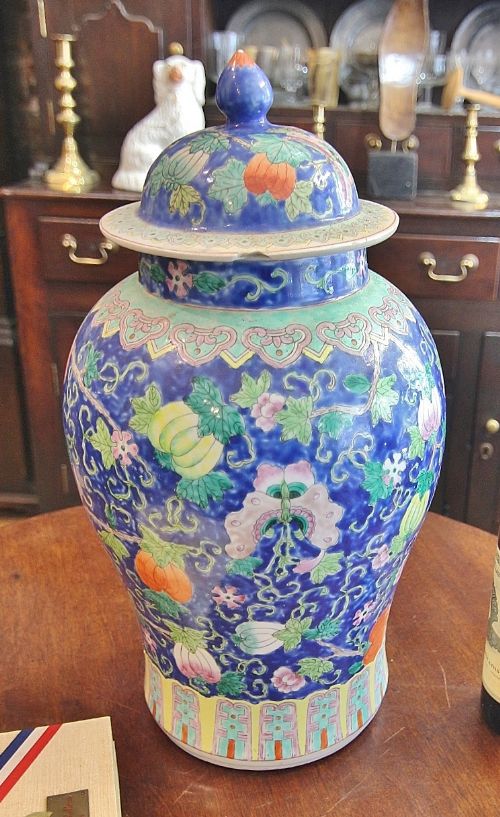


Polychrome Enamel Porcelain Vase
A polychrome enamel porcelain vase brings vivid colour and intricate hand-painted detail to a room, drawing the eye instantly.
Polychrome Enamel Porcelain Vase
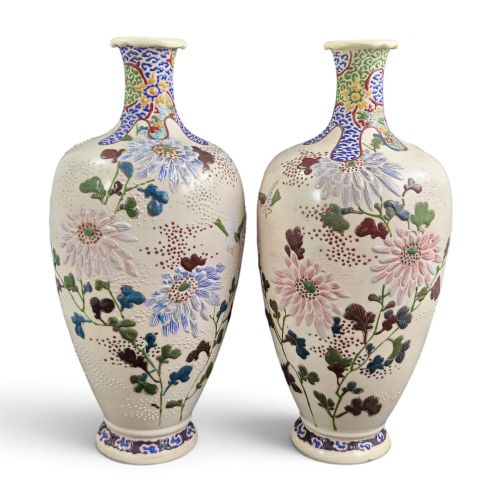
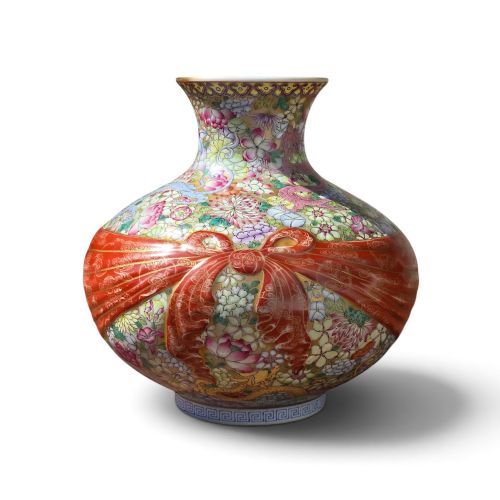
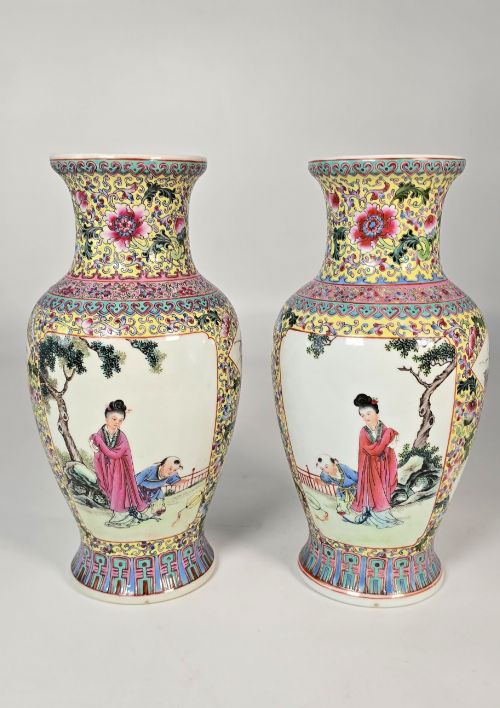
A polychrome enamel porcelain vase is a vessel finished with multiple coloured mineral enamels, often combining motifs of birds, flowers, and figures across surfaces shaped as ginger jars, baluster bodies, and monumental floor pieces.
The versions most commonly met here span the nineteenth century and the twentieth century, originating from Chinese Qing Dynasty workshops, Republican period kilns, and Japanese Meiji period kilns.
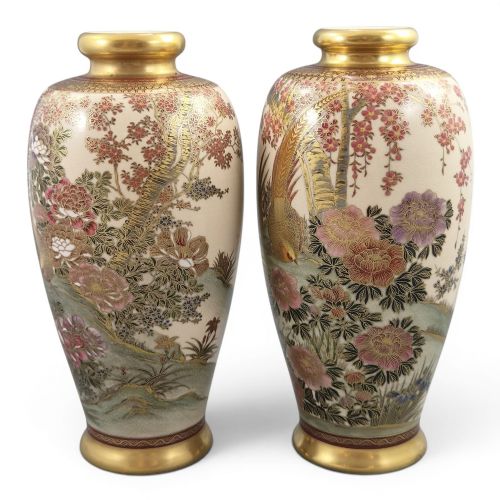
Many examples take the form of pairs, alongside pieces adapted into table lamps using brass, wood, and fabric fittings.
Materials and production methods
Vessels start with a white porcelain body that receives initial cobalt blue underglaze decoration where applicable, before skilled painters apply lead-based and silicate enamels by hand.
Gold leaf and iron-red pigments frequently accent the compositions, fixing the metallic highlights and rich hues through secondary low-temperature kiln firings.
Earthenware also occurs in specific regional styles like Satsuma ware, supporting detailed polychrome designs and crackle glazes.
Some nineteenth-century giants stand tall enough to double as unexpected umbrella stands in a busy hallway.
Factors of distinction
Execution separates the ordinary from the exceptional, visible in the precision of brushwork across complex panels filled with figures or dense flowerheads.
The richness and stability of the enamel palette, alongside the careful integration of gilding, determine the visual depth of a vessel.
Proportion and scale play vital roles, particularly in monumental floor vases and baluster shapes where symmetry dictates balance.
Manpei·Hododa·Kinkozan
The Polychrome Enamel Porcelain Vase Glossary
- Famille Rose
- A palette characterised by opaque pink enamel introduced during the Qing Dynasty. This group includes soft rose shades alongside greens, yellows, and blues.
- Satsuma
- Earthenware pottery originating from Japan, typically featuring a ivory-coloured crackle glaze painted with polychrome enamels and raised gold leaf.
- Baluster
- A vase form with a rounded body that tapers toward the base and swells near the lower middle section, often finished with a flared neck.
- Wucai
- Meaning five colours, this technique combines underglaze blue with contrasting overglaze enamels such as iron-red and green.
- Millefleurs
- A dense pattern covering the entire ceramic surface with a multitude of painted flowers and intricate foliage.
Polychrome Enamel Porcelain Vase: Frequently Asked Questions
How do I clean a polychrome enamel porcelain vase?
Dust the surface gently with a soft, dry brush to protect the delicate overglaze enamels and any applied gold leaf.
Avoid using water, chemical cleaners, or abrasive cloths, as these substances can damage historic pigments.
Were these vases originally made as lamps?
Many vases were produced purely as decorative display vessels or ginger jars during the nineteenth century and twentieth century.
Some examples were converted later into table lamps by adding electrical fittings, brass components, and fabric shades.
How can I tell Chinese and Japanese pieces apart?
Chinese pieces often utilise the vibrant famille rose or wucai palettes on hard white porcelain bodies with floral and figural narrative scenes.
Japanese Satsuma pieces typically employ fine earthenware with a distinctive crackle glaze and dense gold-accented enamel work.
What does a mark on the base indicate?
Base marks often record imperial reign periods or specific potteries, serving as a reference to the era of production.
Many historic workshops utilised apocryphal marks paying homage to earlier emperors, meaning marks require careful contextual study.