


Oriental Ceramic Table Vases
Oriental ceramic table vases combine traditional pottery with domestic lighting, offering characterful focal points for interiors.
Oriental Ceramic Table Vases
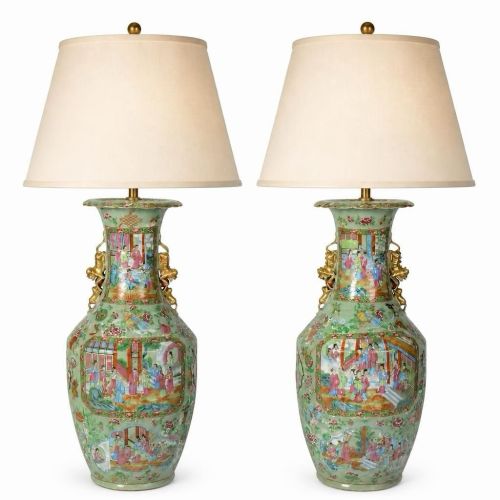
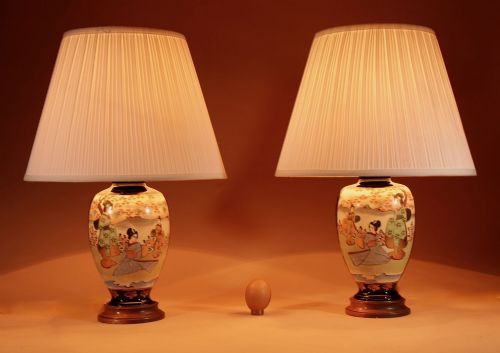
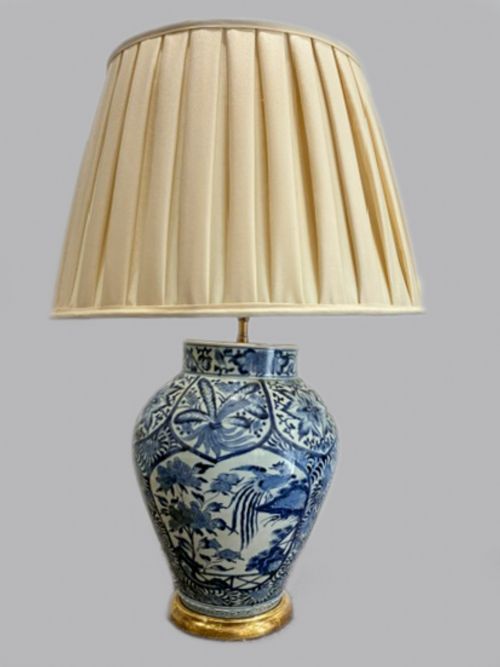
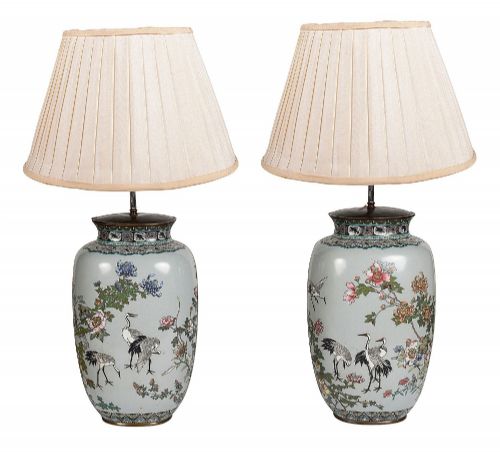
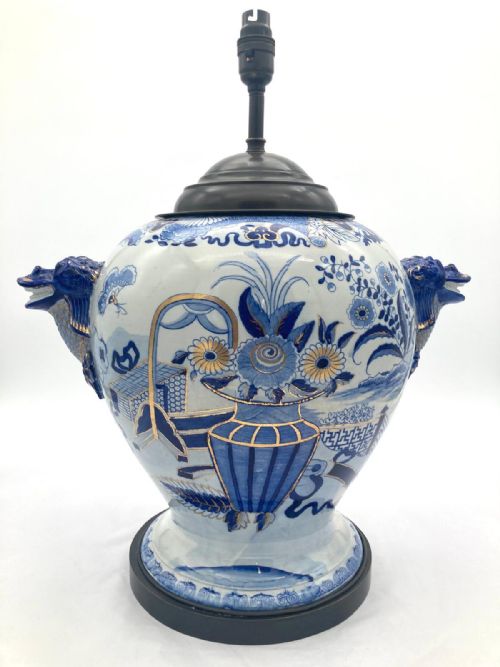
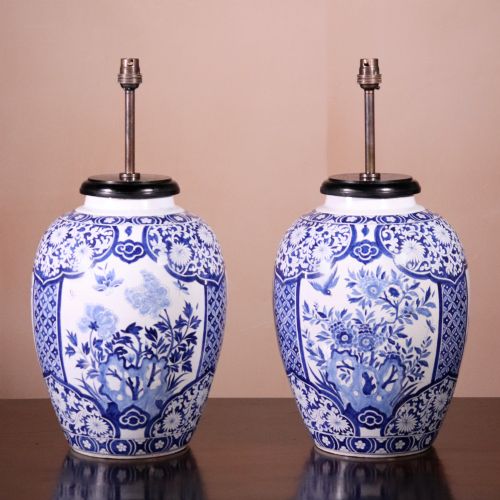
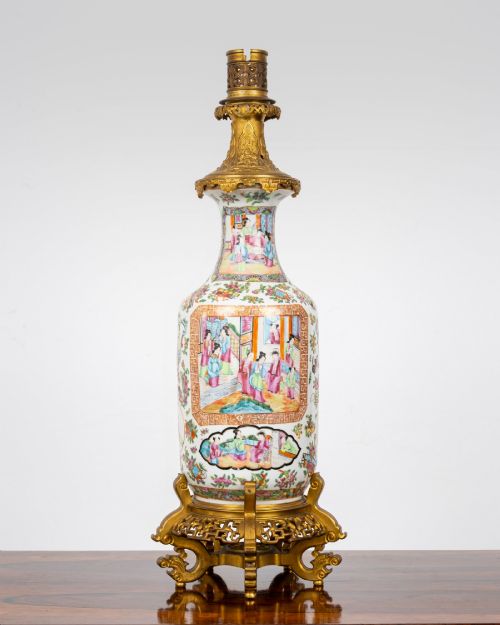
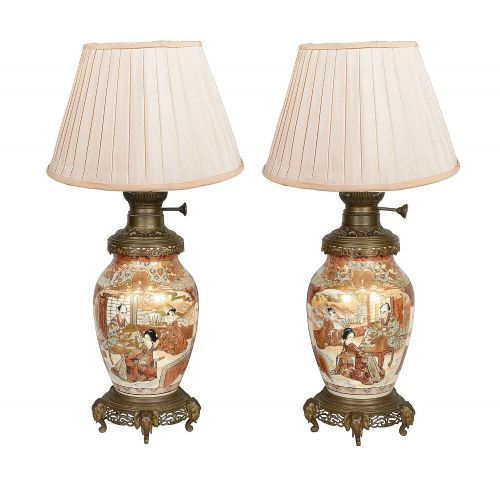
Oriental ceramic table vases represent a fusion of historic decorative vessels adapted for domestic illumination, predominantly taking the form of porcelain and earthenware lamps. Buyers seeking these pieces encounter items primarily sourced from nineteenth-century Chinese and Japanese production, frequently featuring conversions from traditional vases into functional table lighting. The selection spans distinct aesthetic traditions, including blue and white designs, polychrome palettes, and crackleware finishes.
The prevalent forms on this page include pairs of ginger jars and baluster vases adapted with electrical fittings, alongside individual pieces bearing gilt bronze, ormolu, or brass mounts. These objects bridge the gap between antique display items and practical home accessories, drawing on styles such as Satsuma, Kutani, and Famille Rose. Originating across various periods from the seventeenth century onward, they carry distinct cultural motifs into modern room schemes.
How they were made
The construction of these pieces relies on traditional ceramic potting techniques, utilising porcelain, earthenware, and ironstone shaped into baluster, jar, or vase profiles. Artisans applied hand-painted glazes, including underglaze blue and polychrome enamels, before firing the vessels in kilns. Many items integrate metalwork components such as brass, ormolu, and gilt bronze mounts to secure the lamp fittings and provide stable bases.
Secondary materials such as silk, fabric, and wood occasionally appear in associated components like shades and stands. The conversion process often involved drilling the ceramic base or fitting secure metal collars to mount electrical hardware without damaging the historic body. Cloisonné examples incorporate delicate wirework compartments filled with enamel pastes on metal foundations.
Materials recorded on this page include porcelain, earthenware, brass, fabric, wood, silk, and enamel.
What varies in quality
Quality in these transformed vessels depends heavily on the artistic merit and preservation of the original ceramic body, alongside the integration of any metal mounts. Finer examples display crisp, detailed hand-painting and balanced proportions, whereas simpler pieces show more commercial execution in the glaze work. The execution of ormolu or gilt bronze mounts also distinguishes workshop standards.
The integrity of the conversion process influences the overall execution, particularly how cleanly the lamp hardware fits the historic vase form. Pieces retaining clear stylistic markers of periods like the Meiji or Qing dynasties demonstrate higher documentary value. Harmony between the ceramic body and the applied mounts indicates superior craftsmanship.
Kinkozan·Hicks and Meigh·Thomas Allen
The Oriental Ceramic Table Vases Glossary
- Famille Rose
- A palette of opaque rose-pink enamel colours introduced in Chinese ceramics during the Qing dynasty. This style often depicts floral and figural scenes.
- Satsuma
- Japanese earthenware pottery featuring a crackled creamy glaze decorated with polychrome and gilt motifs. It originated in the Satsuma Province during the Edo period.
- Cloisonné
- An ancient metalworking technique employing soldered flat wires to create compartments filled with enamel paste. These pieces are fired and polished to a smooth finish.
- Celadon
- A pale green or grey-green glaze resembling jade, developed in China. The subtle colour results from iron oxide in the glaze reacting during reduction firing.
- Kutani
- Japanese porcelain and pottery characterised by bold, vibrant overglaze painting, often incorporating rich reds and golds. Production centres in the Ishikawa prefecture.
Oriental Ceramic Table Vases: Frequently Asked Questions
How do I identify a converted vase?
Converted vases usually feature a wired electrical cord entering through the base or top collar. The original neck of the ceramic vessel is often secured beneath metal hardware to hold the lamp fitting.
Examining the interior and base reveals whether the ceramic has been drilled or fitted with internal weighted rods. These structural adaptations allow the decorative vessel to function safely as a table lamp.
Are these lamps nineteenth century?
Many items originate from the nineteenth century, reflecting active trade and decorative adaptation during that era. Stylistic indicators like blue and white motifs or famille rose enamels help date the ceramic body.
Craftsmanship details and material composition offer further clues to their period of origin. Some pieces incorporate earlier stylistic influences while dating from later production periods.
What is Satsuma ware?
Satsuma ware is a type of Japanese earthenware distinguished by its characteristic ivory-coloured crackle glaze. Artisans decorated these surfaces with detailed polychrome enamel designs and gold leaf.
These pieces often depict figural scenes, landscapes, or floral motifs typical of the Meiji period. They remain sought after for their intricate decorative detail.