


Decorative Chinese Ceramic Vase
These decorative chinese ceramic vase selections offer centuries of artistry, bringing intricate enamel work and classic forms into modern interiors.
Decorative Chinese Ceramic Vase
A decorative chinese ceramic vase brings traditional oriental craftsmanship directly into a room, serving as a striking focal point on tables or floors. The examples gathered here span centuries of production, capturing shifts in aesthetic preference from imperial workshops to export markets.
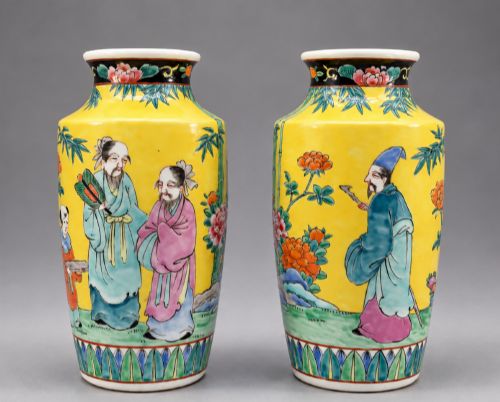
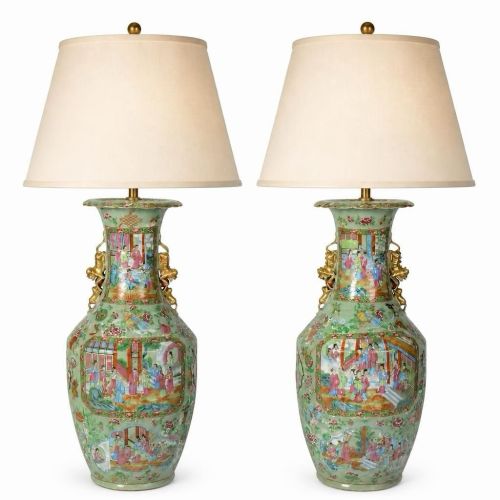
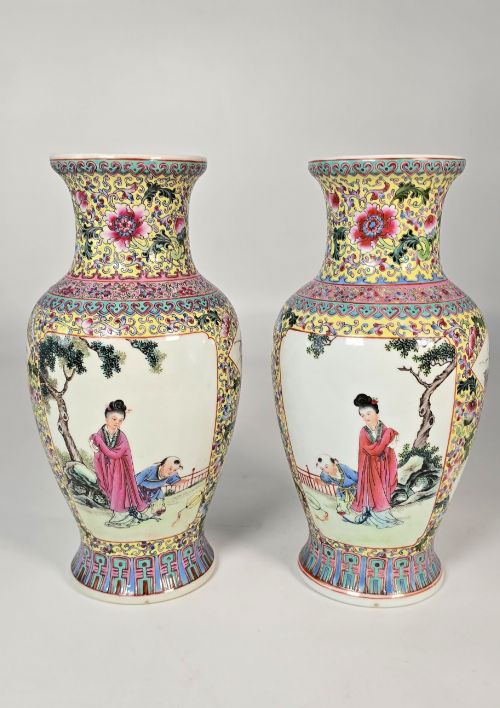
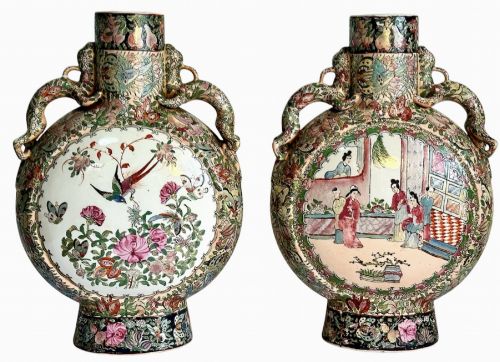
Buyers will most frequently encounter nineteenth-century pieces on this page, particularly famille rose and canton designs configured either as traditional vessels or adapted into table lamps. Forms range from monumental floor vases and moon flasks to ginger jars and bottle vases with flaring necks.
The assortment includes wares attributed to the Qing Dynasty, the Chinese Republic Period, and earlier eras such as the Song Dynasty. Alongside traditional ceramic bodies, certain items incorporate fabric, brass, or gold leaf additions.
Materials and methods
The physical construction relies fundamentally on fine porcelain shaped into diverse vessel types, including baluster profiles and monumental floor jars. Artisans applied glazes and overglaze enamels by hand, creating complex polychrome surfaces that often feature floral motifs, animals, or narrative scenes.
Techniques visible across the selection include blue and white underglaze painting, celadon glazing, and detailed famille rose or famille verte enamel work. Certain vessels also integrate vitreous enamel and gold leaf to heighten the visual impact of the ceramic body.
Listings span periods from the Song Dynasty through the nineteenth-century Qing era into the 1930s Republic Period, utilising porcelain, enamel, and gold leaf.
Distinctions in quality
Quality reveals itself in the precision of the hand-painted details and the clarity of the enamel colours across the porcelain body. Superior pieces demonstrate meticulous brushwork in complex figural or botanical scenes, whereas lesser examples show simpler, more hurried application.
Scale and proportion also influence the standing of a piece, with exceptionally large monumental vases and matched pairs commanding greater presence. The depth of historical context, from Song Dynasty celadon to late nineteenth-century Canton production, further shapes the character of each item.
The Decorative Chinese Ceramic Vase Glossary
- Famille rose
- A major palette of Chinese ceramic overglaze enamels introduced in the Qing Dynasty, dominated by opaque pink or rose colours.
- Celadon
- A term for ceramics denoting both a green glaze resembling jade and the ware itself, often associated with early periods like the Song Dynasty.
- Moon flask
- A flattened spherical flask with a short neck and two loop handles, frequently decorated with elaborate enamel designs.
- Ginger jar
- A wide-mouthed, storage-type jar with a rounded body, originally meant for spices but widely produced as a decorative ceramic form.
- Baluster vase
- A tall vase with a rounded body that tapers toward the base and flares at the neck, mimicking architectural baluster shapes.
Decorative Chinese Ceramic Vase: Frequently Asked Questions
How do I care for a ceramic vase?
Keep porcelain vessels away from direct sunlight and dust them gently with a soft, dry cloth to protect delicate enamel surfaces.
Avoid using water or chemical cleaners, particularly on pieces with gold leaf, brass additions, or overglaze decoration.
Were these vases used as lamps?
Many nineteenth-century vases found on the market were adapted into table lamps during or after their period of manufacture.
Such conversions allow traditional vessels to function practically in contemporary interiors while retaining their original decorative body.
How do I identify a Qing Dynasty piece?
Identification relies on stylistic markers such as famille rose enamel palettes, specific baluster or ginger jar forms, and characteristic nineteenth-century motifs.
Examination of the glaze, potting technique, and any cyclical or reign marks further assists in determining the correct era.
What is the difference between famille rose and famille verte?
Famille rose ceramics are defined by the prominent use of an opaque pink or purple enamel derived from colloidal gold, emerging in the Qing Dynasty.
Famille verte relies predominantly on a palette of green enamels combined with blues, yellows, and irons, typically associated with earlier Qing styles.