


Qing Dynasty Porcelain Ware
Qing dynasty porcelain ware represents the height of ceramic artistry, prized for its delicate glazes and enduring forms that command attention in any room.
Qing Dynasty Porcelain Ware
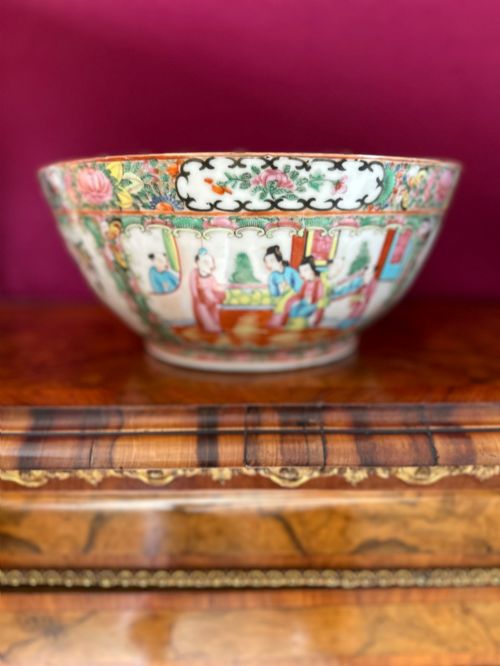
Qing dynasty porcelain ware encompasses a diverse range of domestic and export items produced during the imperial period, reflecting centuries of refined ceramic tradition. When exploring this category, collectors encounter functional vessels alongside decorative objects made for both home markets and foreign trade.
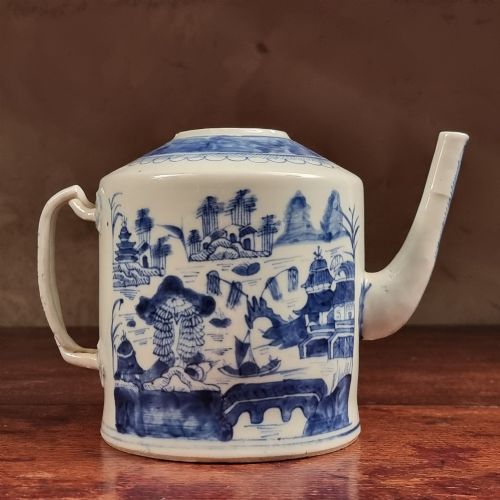
The selections span various centuries, showcasing specific forms such as decorative bowls, teapots, vases, and figures. Many examples display the characteristic styles of Chinese Export and Qing Dynasty production, with pieces dating from the eighteenth and nineteenth centuries appearing regularly.
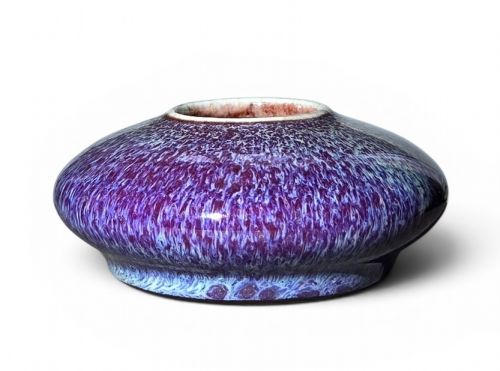
The forms range from utilitarian tea services to scholarly objects like brush washers, demonstrating the breadth of production under imperial and provincial kilns. Each piece connects the modern interior with historical workshop practices across China.
Materials and Techniques
The foundation of these objects is fine ceramic and porcelain, shaped by skilled potters before receiving specialised surface treatments. Artisans applied various finishes including cobalt glaze, iron glaze, celadon glaze, and enamel to achieve distinctive surface textures and colours.
Advanced firing techniques allowed kilns to produce controlled crackle effects, flambé finishes, and chocolate-toned Batavia glazes. Artisans also utilised gold leaf detailing on select items to enhance the decorative scheme.
Specialised regional potteries, such as Shiwan, employed unique local clays and glazes, resulting in distinctive earthenware and stoneware figures that contrast with fine porcelain bodies.
Listings feature items spanning the eighteenth and nineteenth centuries, incorporating materials like porcelain, enamel, gold leaf, and celadon glaze.
Assessing Quality
Quality in these ceramics rests upon the precision of the form and the dexterity of the hand-painted or glazed decoration. Finer examples display balanced proportions, crisp brushwork, and controlled glaze effects that demonstrate superior kiln command.
The refinement of the paste and the clarity of the colours distinguish high-status imperial pieces from standard export wares. Subtle variations in the depth of cobalt blue or the richness of famille rose enamels indicate the skill involved in the firing process.
The Qing Dynasty Porcelain Ware Glossary
- Celadon glaze
- A green ceramic glaze ranging from pale sea-green to olive, prized for its jade-like appearance.
- Famille rose
- A palette of opaque enamels dominated by pink or rose colours, introduced during the Qing dynasty.
- Cracklure
- A network of fine cracks intentionally created in the glaze surface during cooling for decorative effect.
- Canton
- A major trading port in southern China associated with colourful export porcelain produced for Western markets.
Qing Dynasty Porcelain Ware: Frequently Asked Questions
How do I date Qing porcelain?
Dating relies on stylistic markers, potting techniques, and glaze types characteristic of specific reigns or centuries.
Evidence from nineteenth-century pieces often points to bolder enamels, whereas eighteenth-century items frequently exhibit finer baseline potting.
What is export porcelain?
Export porcelain refers to wares manufactured specifically for overseas markets in Europe and the Americas.
These pieces often combine traditional Chinese forms with decorative motifs tailored to foreign tastes.
How should I clean porcelain ware?
Gentle dusting with a soft, dry cloth is usually sufficient for maintaining glazed ceramic surfaces.
Avoid harsh chemical cleaners or submersion, particularly on items with delicate overglaze enamels or gold leaf.
What are celadon glazes?
Celadon glazes produce a translucent green finish over a pale body, mimicking the prized qualities of natural jade.
This finish relies on iron oxide within the glaze and a reduction firing atmosphere in the kiln.