




Chinese Export Ceramic Vessel
A chinese export ceramic vessel brings centuries of transnational trade and imperial craftsmanship straight into a modern interior.
Chinese Export Ceramic Vessel
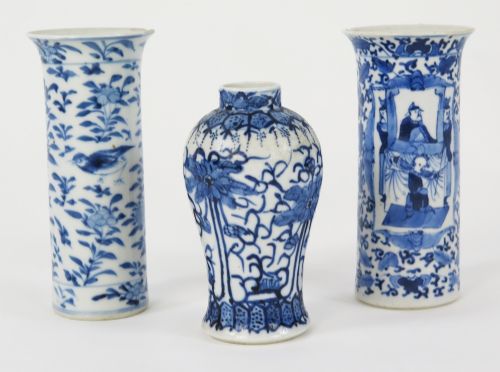
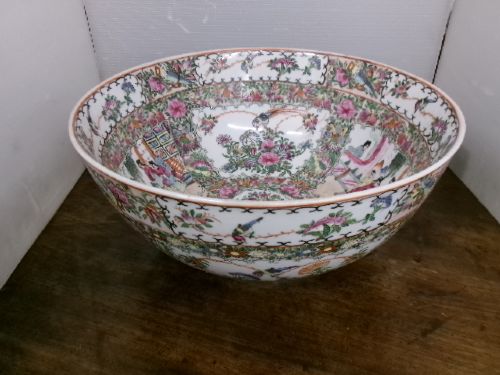
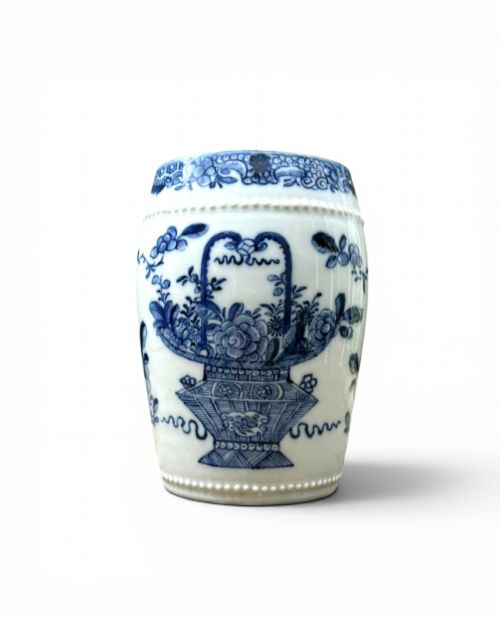
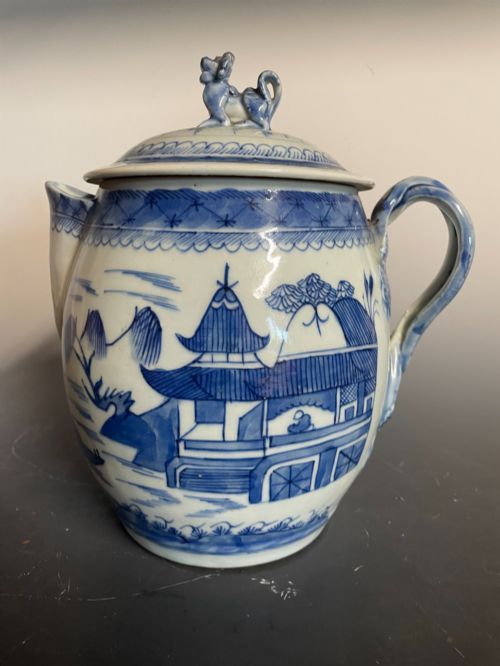
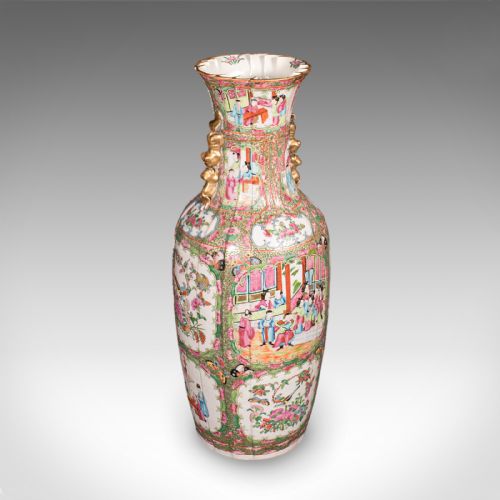
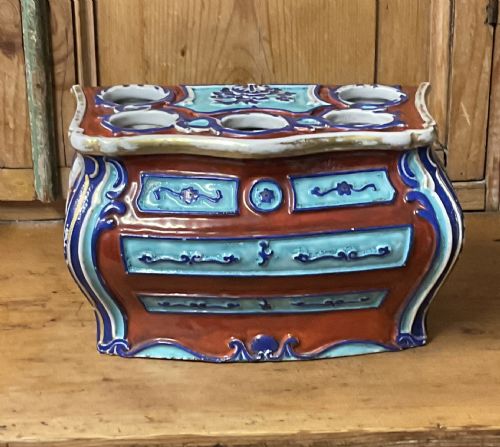
A chinese export ceramic vessel encompasses items produced in China specifically for overseas markets, ranging from large centre bowls to diminutive teacups. The pieces gathered here cross several centuries of production, appearing in distinct styles associated with the Qing dynasty and subsequent periods. Collectors encounter forms spanning bottle vases, barrel-shaped mugs, teapots, tureens, and double gourd vessels.
Most examples originate from the eighteenth and nineteenth centuries, including items bearing Qianlong and Kangxi period characteristics. The selection frequently includes blue and white porcelain alongside famille rose and famille verte colourways. Buyers also meet utilitarian shapes such as jugs, tankards, and bough pots created for European and Western houses.
Variations in form reflect the specific demands of international clientele during centuries of maritime commerce. Makers adapted traditional Chinese ceramic bodies to suit foreign tastes, resulting in hybrid designs that merge domestic potting techniques with external aesthetic requirements. These vessels served both decorative functions in formal rooms and practical roles on dining tables.
Materials and methods
The foundation of a chinese export ceramic vessel rests on fine porcelain clay fired at high temperatures to achieve vitrification. Artisans applied cobalt underglaze before the final glaze firing to create deep blue motifs beneath a transparent finish. Enamel paints and gold leaf were frequently added over the glaze in subsequent low-temperature firings for polychrome pieces.
Hand-painting defined the surface decoration, with artisans executing intricate botanical, figurative, and geometric scenes directly onto the ceramic body. Potters utilised specialised throwing and moulding techniques to shape complex silhouettes such as octagonal teapots and bulbous double gourd vases. Glaze applications ranged from stark blanc de chine to rich cobalt and multi-coloured enamel palettes.
HoHo boys appear cheerfully frozen mid-dance on eighteenth-century export porcelain, reminding buyers that historical trade had a sense of humour.
Assessing quality in export ceramics
Quality in a chinese export ceramic vessel is determined by the precision of the potting and the clarity of the hand-painted brushwork. Superior examples display crisp cobalt underglaze lines and evenly distributed enamel pigments without pooling or fading. The weight of the porcelain body and the refinement of the foot rim also indicate the skill of the original workshop.
The sophistication of the decorative scheme separates standard utilitarian wares from exceptional pieces destined for wealthy overseas patrons. Artisans achieving finer detail incorporated careful shading in famille rose palettes and precise gilt accents. Condition and the preservation of delicate overglaze enamels further distinguish high-grade specimens within any collection.
The Chinese Export Ceramic Vessel Glossary
- Famille rose
- A major palette of Chinese ceramic overglaze enamels introduced in the eighteenth century, dominated by opaque pink or rose colours. This technique allowed artists to create nuanced tonal gradations in floral and figurative motifs.
- Cobalt underglaze
- A blue pigment applied to the raw ceramic body before glazing and firing, producing durable designs beneath a glossy surface. It remains the defining feature of traditional blue and white porcelain.
- Bough pot
- A decorative vessel designed to hold cut tree branches or flowers inside a domestic interior during earlier centuries. These pieces often featured flat backs and curved fronts to sit neatly against walls or windowsills.
- Blanc de chine
- A type of white porcelain produced in Fujian province featuring a smooth, ivory-toned glaze that merges seamlessly with the clay body. It is frequently seen on ritual censers and sculptural figures.
- Double gourd vase
- A vessel shaped in the form of two stacked spheres resembling a traditional water gourd, symbolising good fortune and prosperity. The silhouette requires advanced throwing skill to maintain balance between the upper and lower bulbs.
Chinese Export Ceramic Vessel: Frequently Asked Questions
How were these vessels used historically?
These vessels served diverse roles ranging from functional tableware like teapots, jugs, and mugs to purely decorative centre bowls and mantel vases. Wealthy households displayed them to signal global reach and refinement during formal dining and entertaining.
Over time, many items transitioned from practical pantry and dining items into prized cabinet pieces collected for their artistic and historical significance.
How do I care for antique porcelain?
Antique porcelain requires gentle handling and should be washed by hand in lukewarm water using mild, non-abrasive soap. Avoid sudden temperature changes to protect the ceramic body and any delicate overglaze enamels or gilt details.
Display vessels away from direct sunlight and high-traffic areas where they might be knocked or subjected to environmental vibrations.
What defines the Kangxi period?
The Kangxi period spans the reign of the Kangxi Emperor and is celebrated for technical brilliance in porcelain production. Pieces from this era often feature vibrant cobalt underglaze and crisp potting.
Marks or stylistic cues from this time indicate high-level imperial or export manufacturing standards that later periods sought to emulate.
What is a kendi?
A kendi is a traditional drinking vessel characterised by a globular body, a spouted neck, and the absence of a handle. Users typically drank from the spout by pouring liquid directly into the mouth without touching lips to the ceramic.
Export versions were produced in large quantities for Southeast Asian and European markets, often rendered in blue and white porcelain.