


Chinese Porcelain Vessel
When you search for a Chinese porcelain vessel, you enter a vast tradition of ceramic forms spanning centuries of kiln artistry.
Chinese Porcelain Vessel
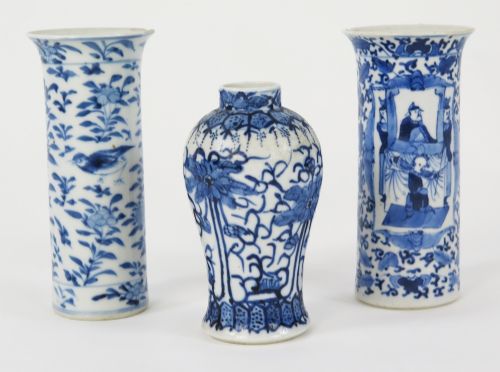
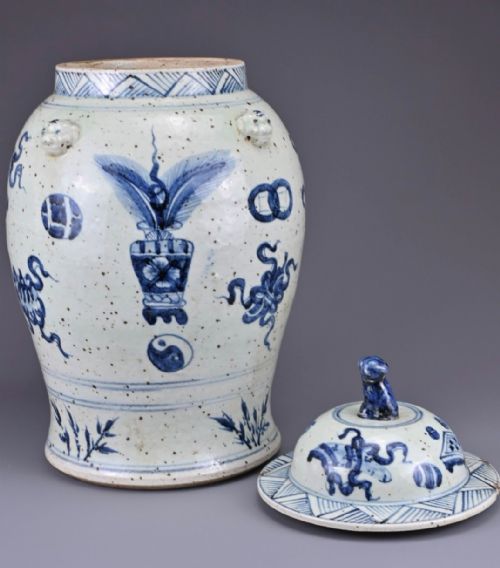
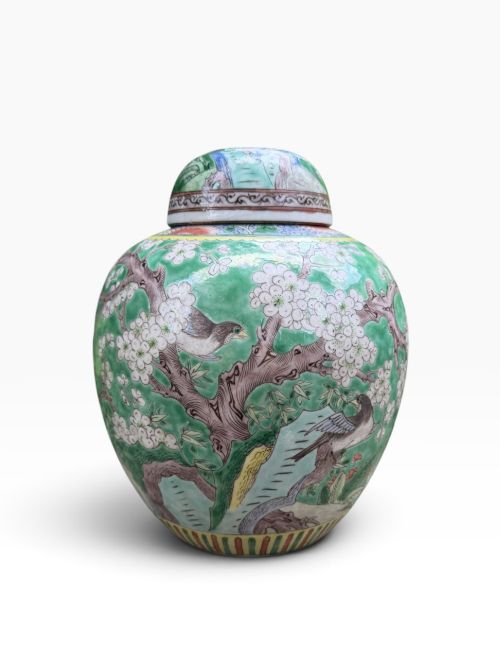
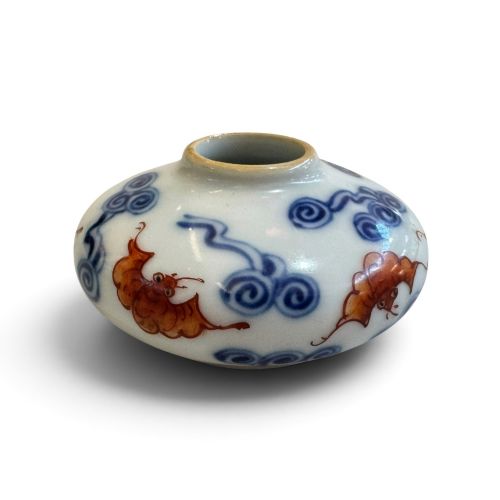
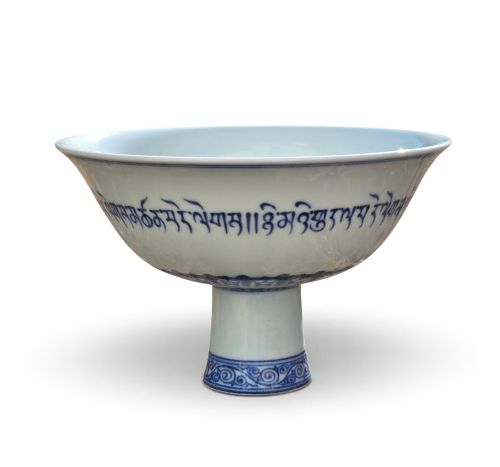
A Chinese porcelain vessel encompasses a diverse group of utilitarian and decorative objects, ranging from large storage jars and tall vases to small brush washers and stem cups. The selection on this page relies heavily on pieces originating from the Qing Dynasty, alongside earlier Ming examples and later Republican items.
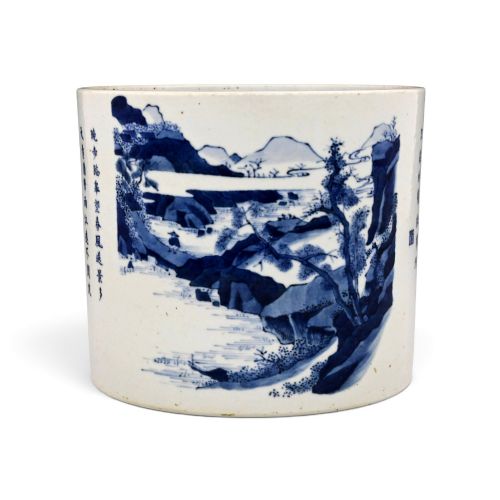
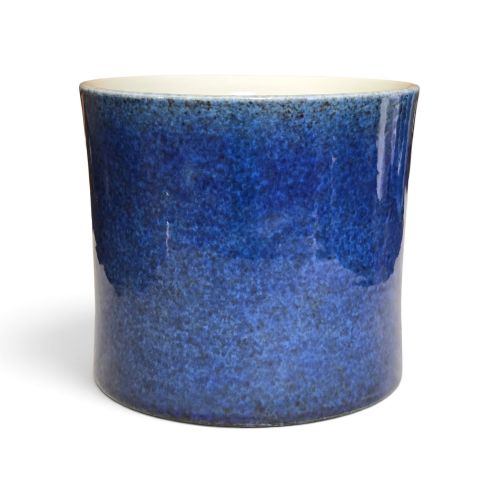
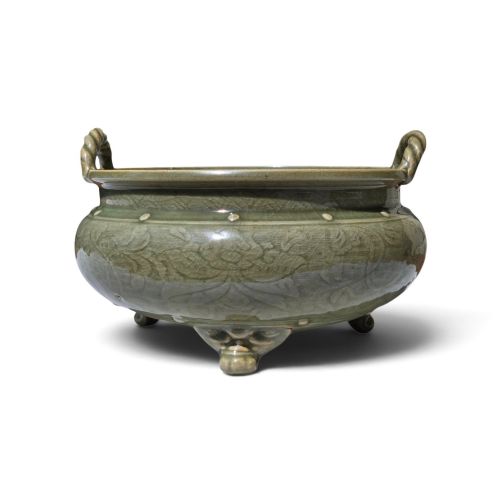
The forms vary according to their original domestic or scholarly function, with ginger jars, meiping vases, and Bitong brush pots appearing frequently across the inventory. Scholars' items and temple censers sit alongside domestic table wares, each category reflecting the specific period of its manufacture.
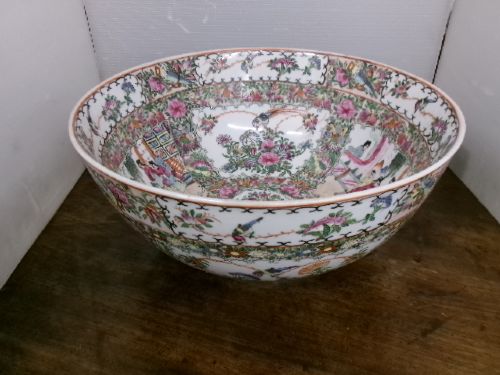
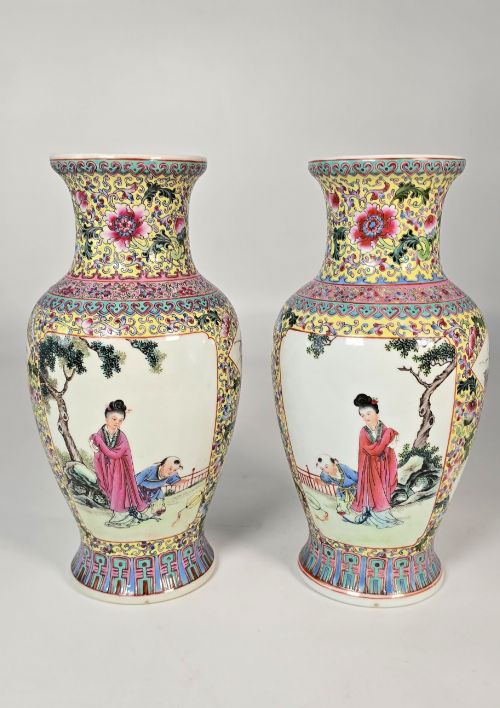
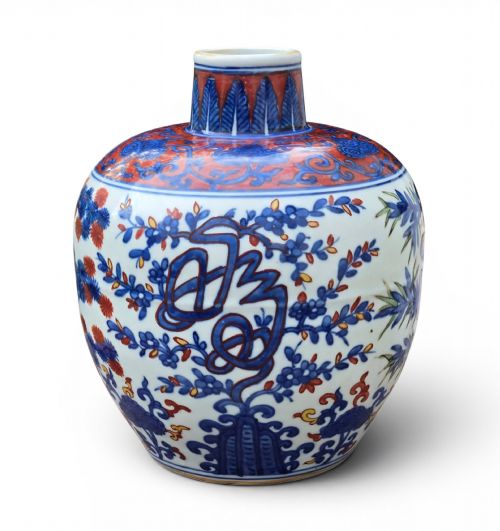
Makers utilised traditional potting techniques to shape clay into balanced silhouettes, whether for holding flowers, storing tea, or facilitating calligraphy. Collectors encounter everything from monochrome glazed vessels to brightly enamelled famille rose and doucai pieces.
Materials and methods
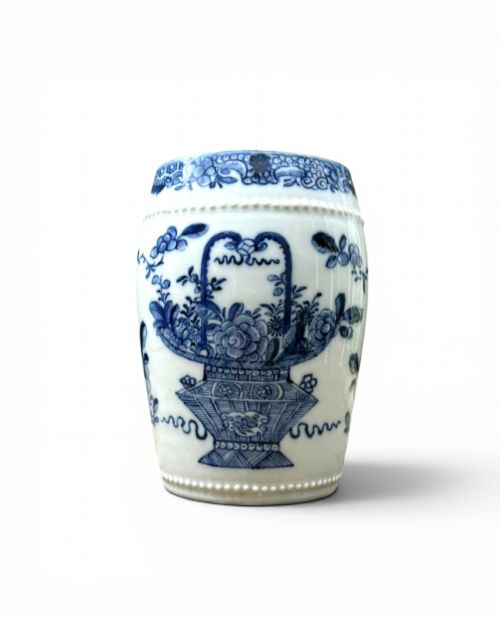
Potters relied on fine white clay bodies fired at high temperatures to create vitreous ceramic structures. Cobalt underglaze was painted directly onto the unglazed body before the application of transparent glazes and subsequent firing.
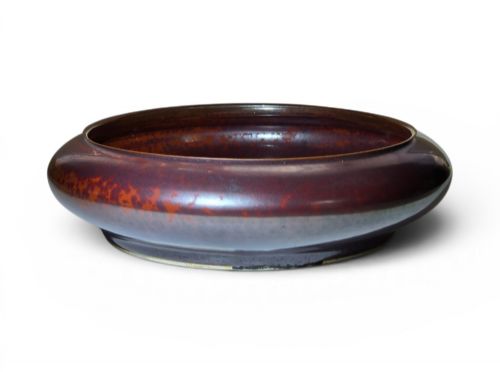
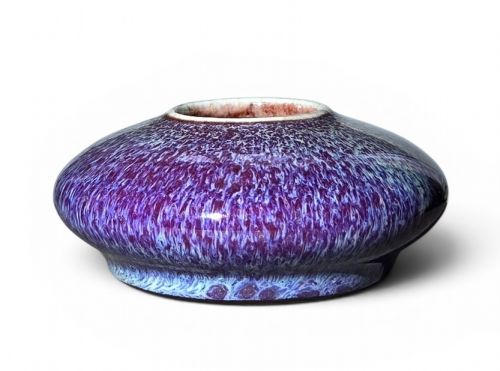
Overglaze enamels, including famille rose and doucai palettes, required a second, lower-temperature firing to fix the colours onto the glazed surface. Specialised finishes such as iron-rust, flambé, and powder-blue glazes depended on precise chemical control within the kiln atmosphere.
Gold leaf and gilt details were sometimes applied after the final firing to accent rims, handles, and painted motifs on select export and domestic wares.
Materials documented across the inventory include cobalt underglaze, gold leaf, enamel, and various monochrome glazes.
Assessing the standard
The refinement of the potting dictates the structural integrity of the vessel, where thin, even walls and balanced proportions demonstrate superior control. Heavier, clumsily potted examples lack the crispness found in imperial or high-status pieces.
The clarity and depth of the painted decoration separate standard production from exceptional work. Cobalt tones that bleed excessively or enamels that sit dully on the glaze indicate lesser execution, whereas sharp underglaze blue and meticulously rendered brushwork mark the upper tier.
Glaze application also reveals quality, as smooth, uniform coverings without excessive pitting or pooling show masterly kiln operation.
The Chinese Porcelain Vessel Glossary
- Bitong
- A cylindrical brush pot used by scholars to hold calligraphy brushes. These open-topped vessels often feature carved or painted decoration.
- Meiping
- A high-shouldered vase with a narrow neck, originally designed for serving wine. The form translates literally as plum vase.
- Doucai
- A decorative technique combining underglaze blue outlines with overglaze enamels. Artisans fill in the traced compartments with contrasting colours during a secondary firing.
- Qingbai
- A bluish-white translucent glaze applied to porcelain bodies, originating during the Song dynasty. The glaze pools slightly in recessed carved areas to create a pale aqua tint.
- Celadon
- A green jade-like glaze applied over a high-fired ceramic body. The colour results from iron oxide reacting in a reduction kiln atmosphere.
Chinese Porcelain Vessel: Frequently Asked Questions
How do I identify a Qing Dynasty vessel?
Examination of the base often reveals imperial reign marks or stylistic markers typical of the period. Glaze characteristics and enamelling techniques also help establish the era.
The weight, potting style, and pigment types provide further clues for dating. Comparing the piece to known examples from the same century narrows down the provenance.
Were all these vessels used for display?
Many items served practical functions in households and scholarly studios. Brush pots, teapots, and water washers were active working tools.
Larger jars and vases held dry goods, wine, or floral arrangements. Over time, many transitioned from utility to purely decorative display objects.
What is the difference between underglaze and overglaze decoration?
Underglaze painting is applied to the raw clay body before glazing and firing at high temperatures. This seals the pigment beneath a protective glass layer.
Overglaze decoration is painted onto an already fired and glazed surface. The piece undergoes a second, cooler firing to bond the enamel colours.
How should I display a porcelain vessel at home?
Position vessels away from high-traffic edges where accidental knocks might occur. Stable, flat surfaces protect tripod censers and heavy bottomed vases.
Natural light enhances the subtle tones of monochrome glazes and celadon surfaces. Avoid placing delicate enamelled pieces in direct, prolonged sunlight.