

Antique Ceramic Baluster Vase
An antique ceramic baluster vase brings a graceful, swelling profile to a room, carrying centuries of ceramic artistry from European and Asian kilns.
Antique Ceramic Baluster Vase
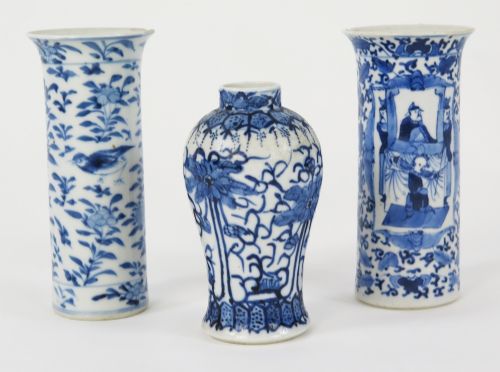
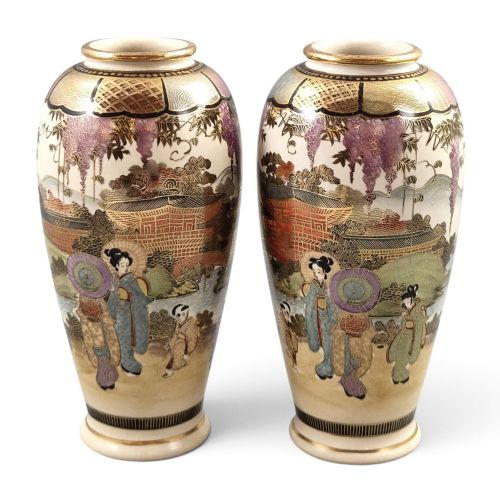
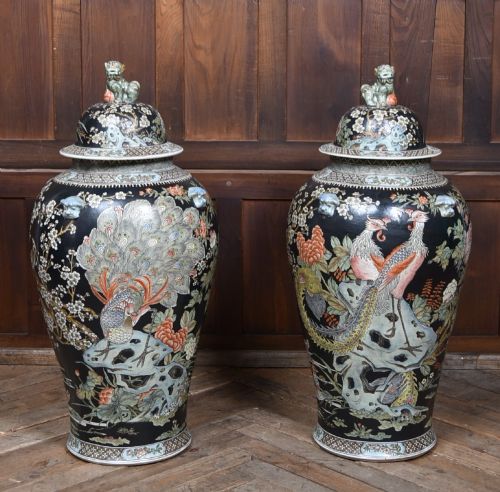
An antique ceramic baluster vase takes its name from its characteristic shape, which resembles the architectural baluster of a staircase with a wide, rounded lower body tapering to a narrower neck. This form provides a stable base and a dramatic silhouette that appealed to potters across the seventeenth, eighteenth, nineteenth, and early twentieth centuries. On this page, you will encounter diverse interpretations of this classic shape, from grand floor-standing containers to lidded ginger jars and converted lamp bases.
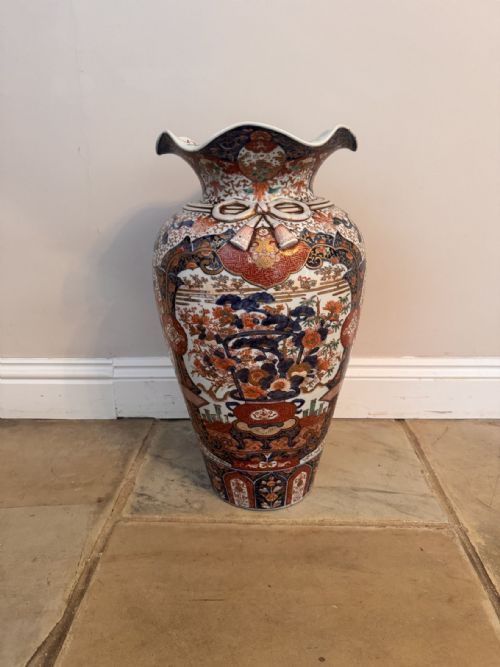
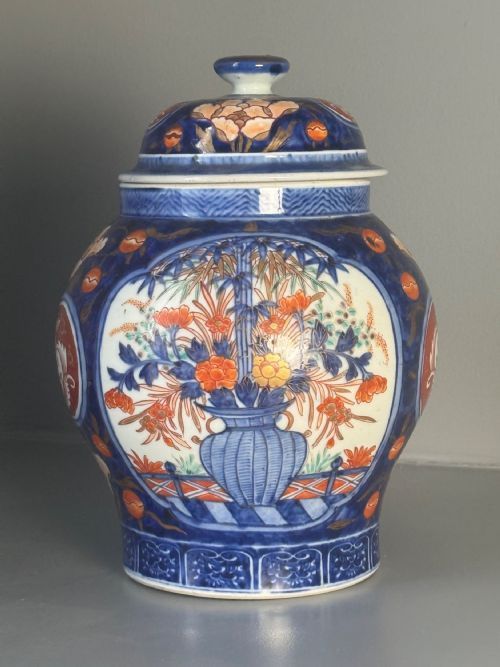
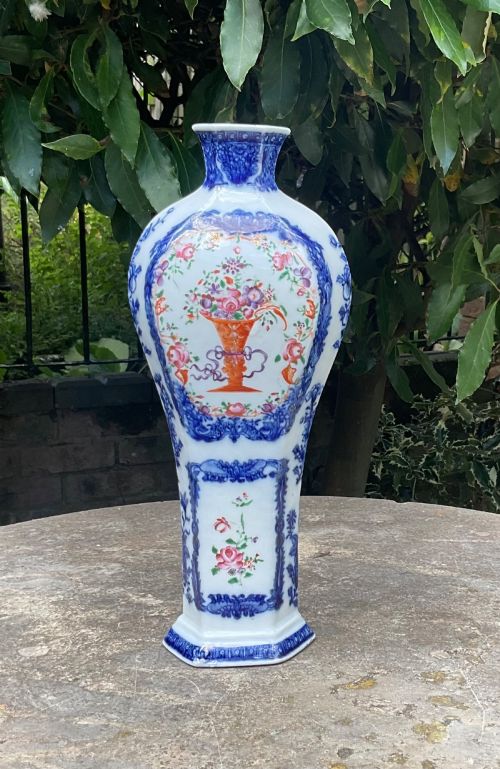
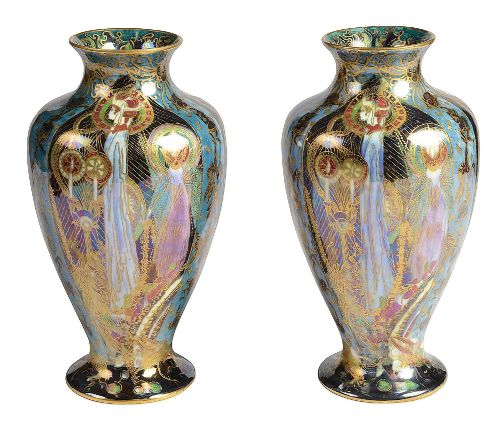
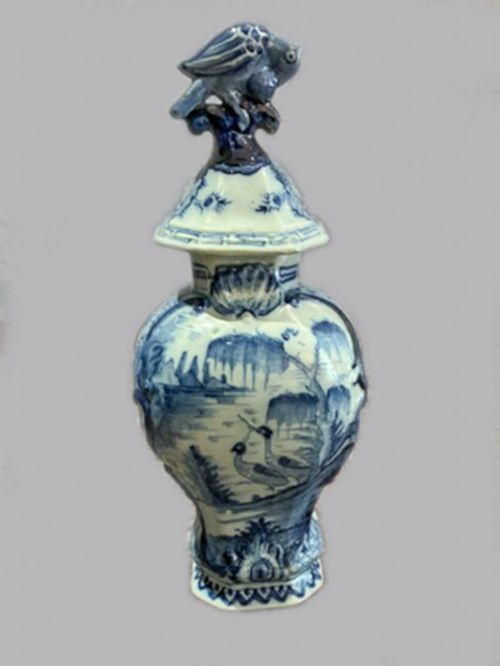
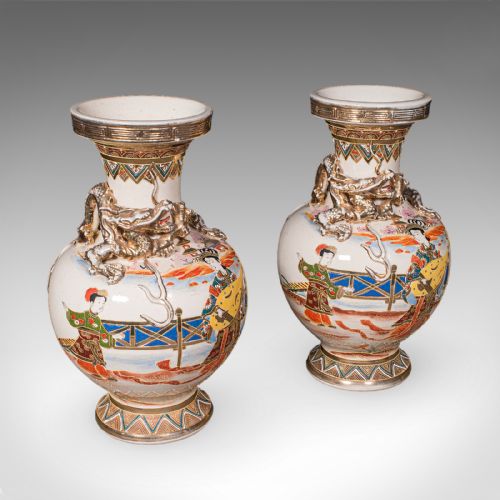
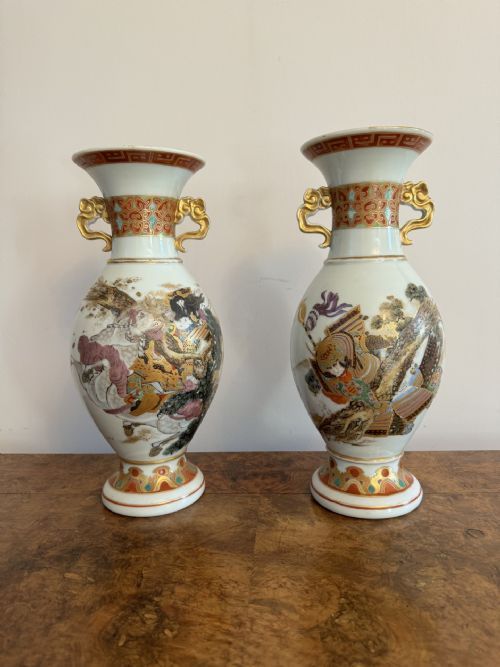
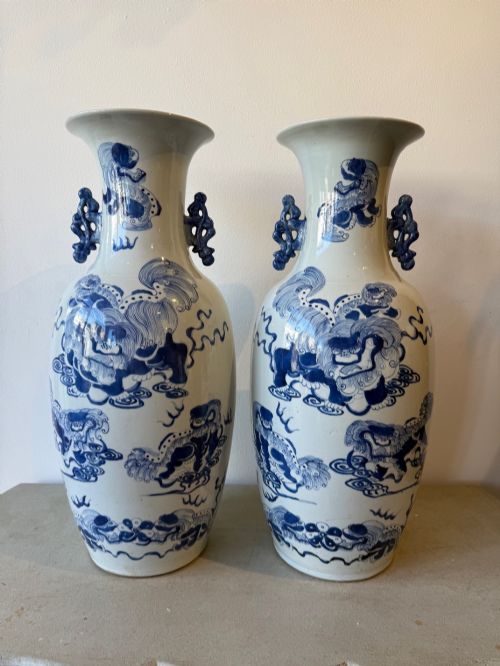
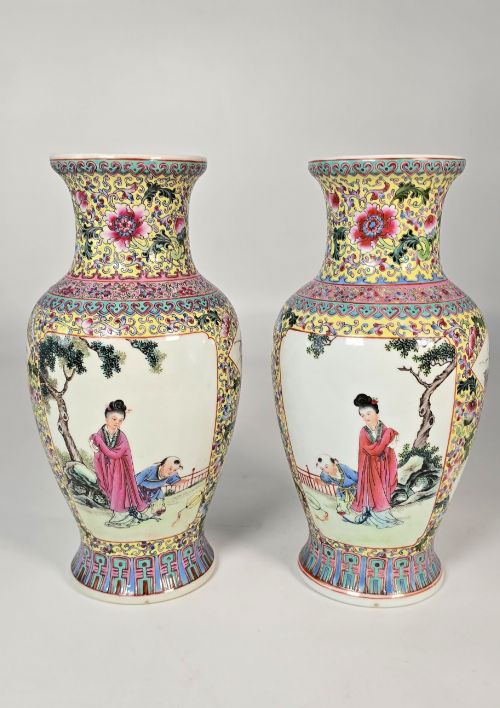
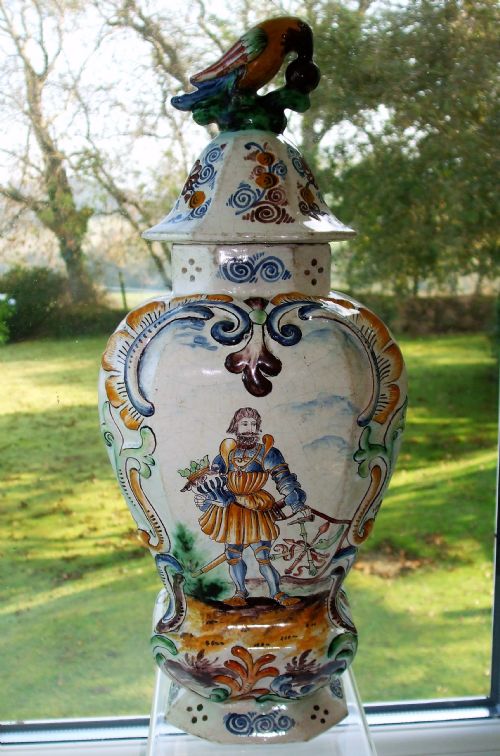
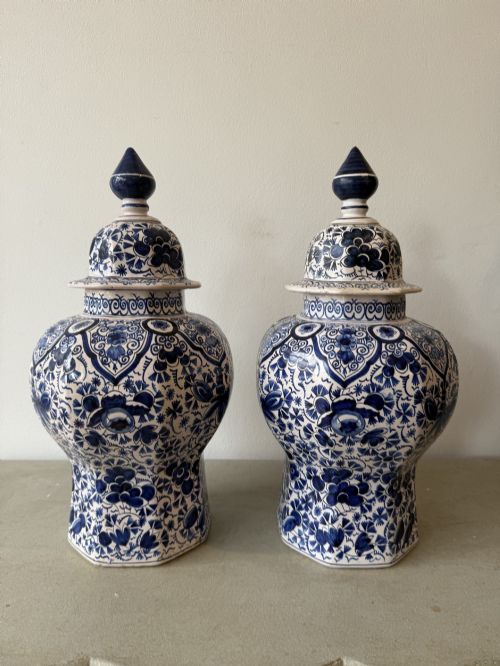
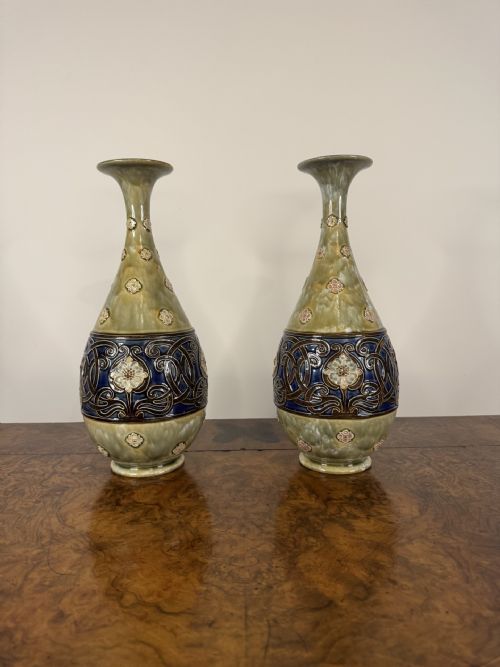
The pieces span multiple cultural traditions and periods, prominently featuring Chinese porcelain from the Qing Dynasty alongside Japanese Imari and Satsuma wares from the Meiji period. European makers also embraced the form, producing tin-glazed earthenware in Dutch Delft styles and robust stoneware or ironstone bodies in England. Whether decorated with hand-painted polychrome enamels, cobalt blue underglaze, or elaborate relief figures, each vessel serves as a record of historical ceramic design.
What varies in quality
The standard of painting and artistic execution dictates the upper tier of these vessels, separating mechanical production from master-painted works. Pieces bearing the signatures of celebrated studios, individual artists, or specific imperial marks demonstrate superior brushwork, compositional balance, and precision in detail.
The complexity of the glaze chemistry and the preservation of the surface enamel also determine value. Finer examples display even glaze distribution without excessive pooling or firing blemishes, while maintaining crisp gilding and vibrant colours across the entire curved surface of the baluster body.
Several baluster vases feature three-dimensional modelled figures clinging to the neck as if inspecting their own reflection.
Wedgwood·Royal Doulton·Makuzu Kozan·Kinkozan
The Antique Ceramic Baluster Vase Glossary
- Baluster
- A vertical architectural pillar with a bulbous lower portion that inspired the swelling silhouette of these vases. This distinct profile allows the vessel to hold substantial volume while maintaining a balanced visual weight.
- Imari
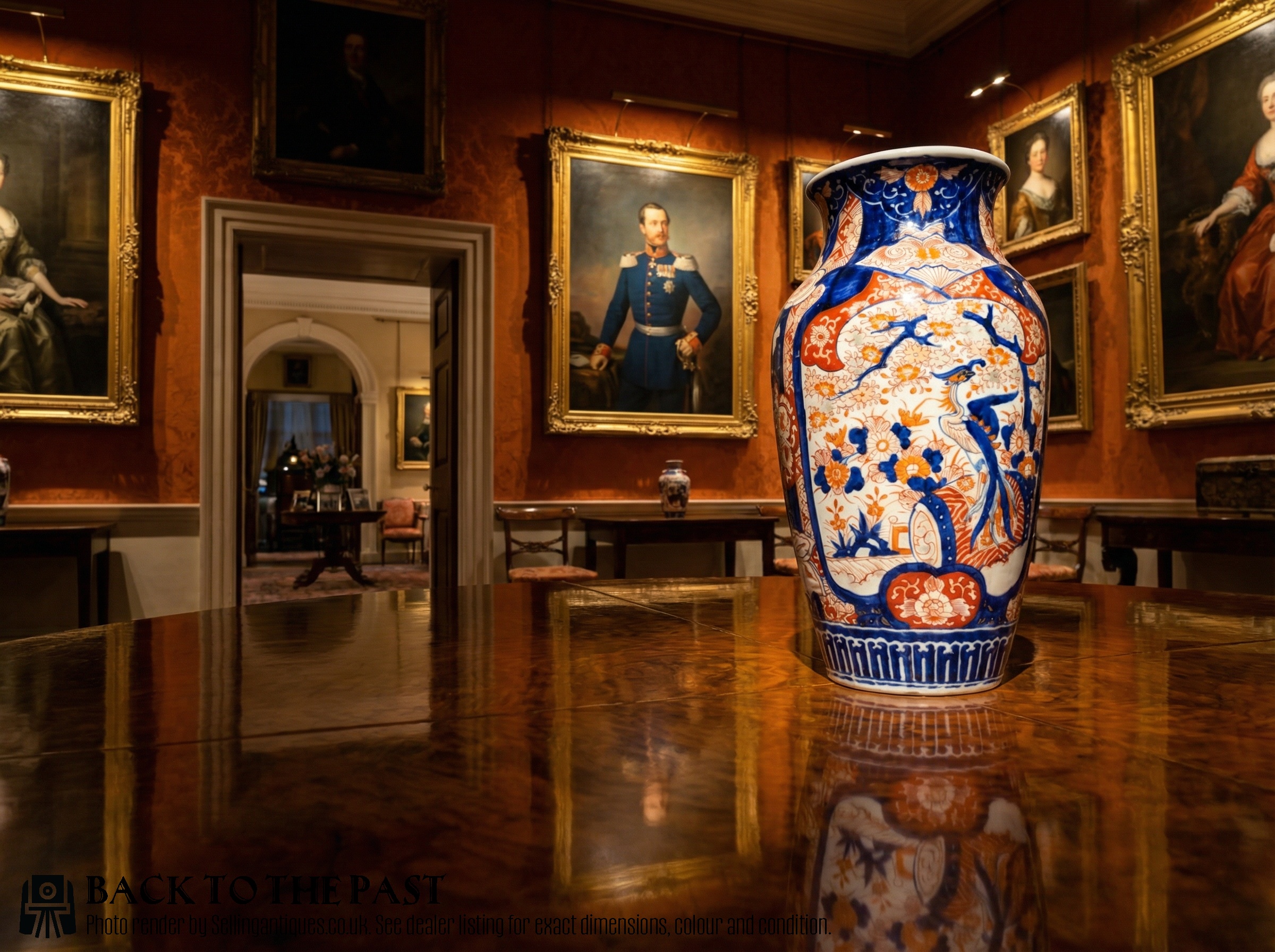
- A style of Japanese porcelain featuring a distinctive palette of underglaze blue, iron red, and gold highlights. Originating from the port of Arita, these export wares gained immense popularity in European interiors during the seventeenth and eighteenth centuries.
- Famille Rose
- A major palette of Chinese ceramic enamels introduced during the Qing Dynasty, distinguished by its opaque pink or rose colour derived from colloidal gold. The style encompasses soft, naturalistic floral and figurative scenes.
- Tin-Glazed Earthenware
- Pottery covered with a white tin oxide glaze that provides an opaque background for painted decoration. This technique is central to traditional Delftware produced in the Netherlands and England.
- Garniture
- A set of three or more matching vases designed to be displayed together on a mantelpiece or cabinet top. These coordinated groupings often alternate between beaker-shaped vases and lidded jars.
Antique Ceramic Baluster Vase: Frequently Asked Questions
What is a baluster vase?
A baluster vase is a vessel featuring a curved, swelling lower body that tapers inward toward the neck, echoing the shape of architectural stair balusters.
This historic form was utilised globally by ceramicists to combine aesthetic elegance with practical internal capacity for large floral arrangements or dry storage.
How do I identify Japanese Imari?
Japanese Imari ceramics are typically recognised by their striking combination of cobalt blue, iron red, and gilt ornamentation over a white porcelain body.
These pieces were produced primarily in Arita for export and often feature dense floral, geometric, or panelled compositions.
What is Delftware?
Delftware is a type of tin-glazed earthenware traditionally produced in the Netherlands, famous for its white background and blue painted motifs.
The designs frequently draw inspiration from Chinese export porcelain, incorporating floral sprays, birds, and Dutch architectural landscapes.
Can I use these vases for fresh flowers?
While many antique ceramic vases are structurally sound, porous earthenware or historic vessels with hairline stabilization are best reserved for display.
Using modern glass liners inside the vase can protect fragile historic interiors from moisture damage if you choose to exhibit fresh stems.