


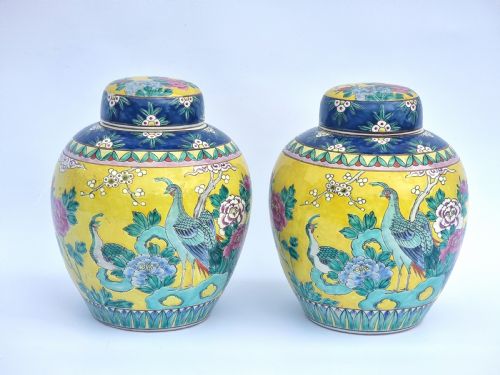


Chinoiserie Ceramic Urn
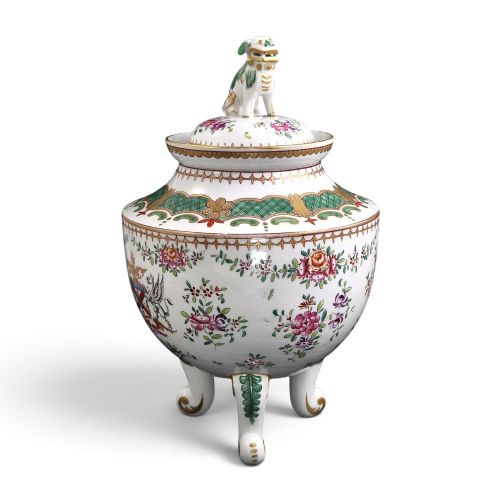
These chinoiserie ceramic urn examples bring together European interpretation and Asian form, offering interior designers substantial decorative vessels suited for prominent mantel or table placement.
Chinoiserie Ceramic Urn
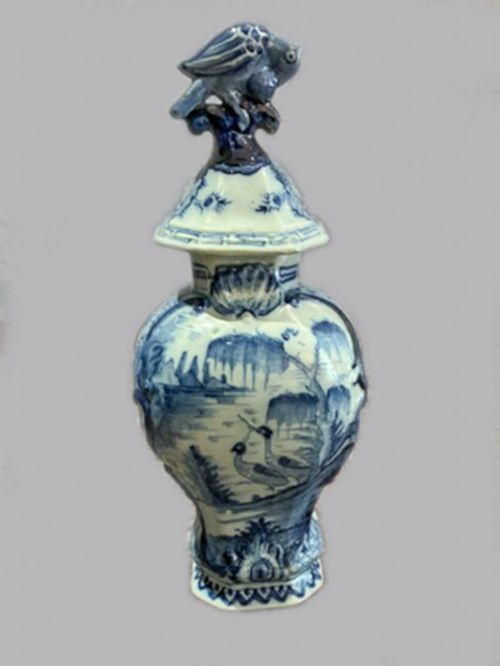
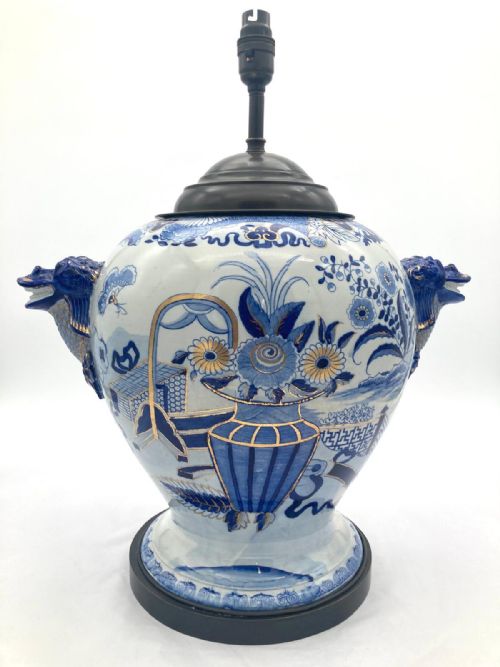
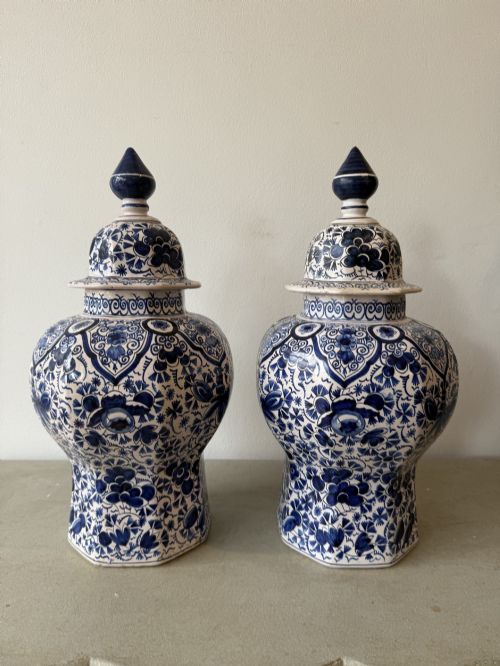
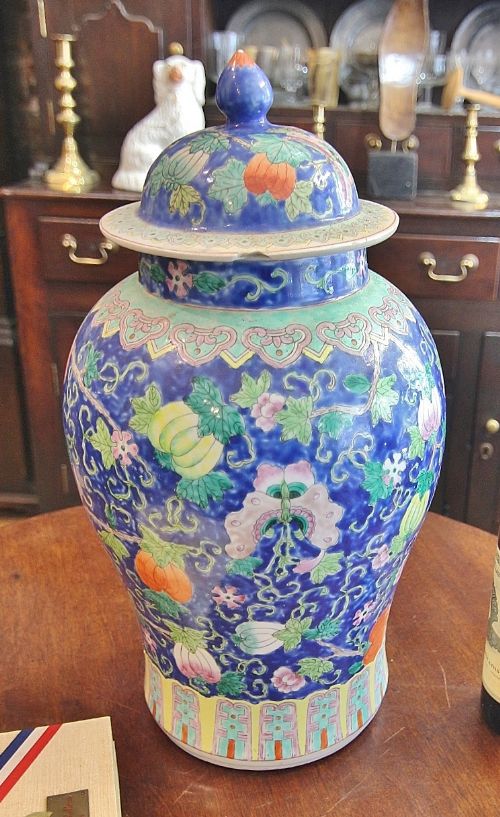
When searching for a chinoiserie ceramic urn, you encounter vessels produced across multiple centuries, stretching from seventeenth-century Dutch Delftware to twentieth-century pottery. These pieces take various forms, including lidded ginger jars, baluster vases, and garniture sets, many of which have been subsequently adapted into table lamps.
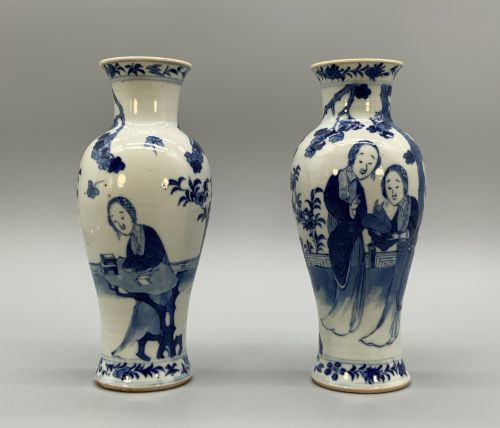
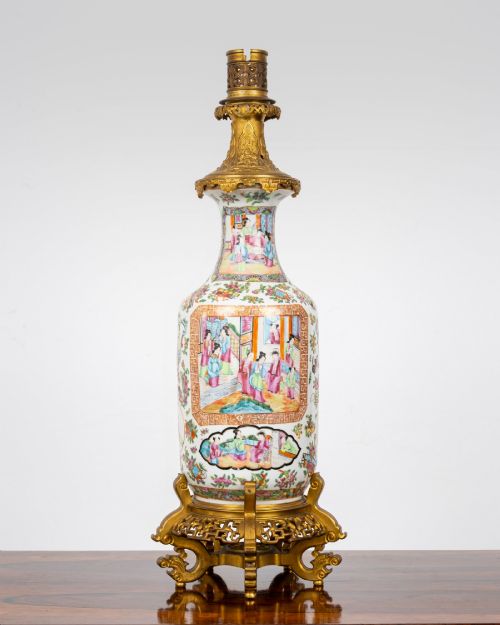
The aesthetic bridges European production, such as Mason's ironstone and Samson Paris porcelain, with distinct Asian design motifs including Kangxi style blue and white painting, Imari palettes, and Famille Rose decorations. You will find both direct imports from the Qing Dynasty and European manufactories deliberately emulating Chinese and Japanese ceramic traditions.
How they were made
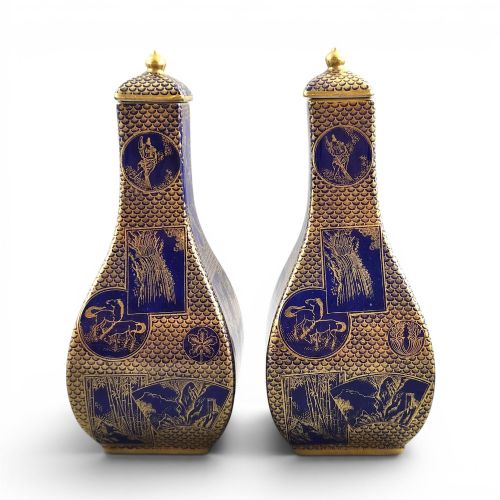
Potters constructed these vessels using heavy ironstone, earthenware, and fine porcelain bodies, often finishing the surfaces with intricate hand-painted cobalt blue pigments, enamel colours, and detailed gilt bronze or ormolu mounts. Glaze applications vary from clear protective coats to rich powder blue, mazarine blue, and yellow ground fields that support exotic bird and figural landscape scenes.
Many of the larger decorative urns and vases incorporated structural metal bases or were later drilled and wired for electrical use, converting traditional lidded ginger jars and baluster vases into functional lighting fixtures while retaining their original hand-painted ceramic bodies.
Several ginger jars were repurposed into lamps, proving that even a seventeenth-century storage vessel enjoys a second act.
What varies in quality
The distinction between standard production and top-tier examples lies in the precision of the hand-painted brushwork and the depth of the cobalt or enamel pigments used across the ceramic body. Pieces featuring crisp figural drawing, complex botanical details, and well-executed gilding demonstrate superior craftsmanship from established makers.
Hardware integration also dictates overall merit, where original ormolu mounts, well-fitted covers, and clean conversions for lamps distinguish finer antique specimens from ordinary decorative pottery.
Samson Paris·Mason's Patent Ironstone·Hicks and Meigh·Carlton Ware·Royal Doulton·Miles Mason
The Chinoiserie Ceramic Urn Glossary
- Chinoiserie
- European decorative art influenced by Chinese and East Asian design traditions. It appears frequently on ceramics and furniture dating from the seventeenth century onwards.
- Ironstone
- A dense, durable type of earthenware patented in the nineteenth century. Makers used it to create heavy vases and urns that resisted chipping.
- Baluster
- A vase shape with a rounded body that tapers toward the neck and base. This profile is common among large ginger jars and lidded vessels.
- Garniture
- A set of three or more matching vases or urns designed to be displayed together on a mantelpiece or sideboard. They often feature graduating sizes.
- Ormolu
- Gilded bronze mounts applied to the base or rim of ceramic vessels. It provided structural support and decorative enrichment during the Regency and Victorian periods.
Chinoiserie Ceramic Urn: Frequently Asked Questions
What is a chinoiserie ceramic urn?
These vessels are decorative ceramic containers, including lidded vases and ginger jars, decorated with European interpretations of Asian artistic themes. They range from early Dutch Delftware to nineteenth-century ironstone.
Potters produced them in various shapes to serve as ornamental garnitures, mantel displays, or central table ornaments in traditional interiors.
How do I date a ceramic urn?
Dating relies on examining the ceramic body, glaze characteristics, painting style, and any maker marks present on the base. Ironstone bodies often point to nineteenth-century production, while specific blue and white pigments can indicate earlier periods.
Stylistic cues such as ormolu mounts or later lamp conversions also provide chronological context for when the piece was finished or altered.
Were these urns originally lamps?
Most of these vessels started as decorative vases, lidded ginger jars, or garniture pieces rather than lighting fixtures. Many were subsequently wired for electricity during the twentieth century to serve as table lamps.
This conversion process often involved adding wooden or gilt bronze bases to secure the electrical components while preserving the ceramic body.
How should I clean my vase?
Dusting with a soft, dry cloth is the safest way to maintain painted ceramic surfaces and gilt bronze mounts. Avoid using harsh chemical cleaners or submerging pieces with old repairs or metal fittings in water.
Careful handling prevents accidental chipping of delicate handles, lids, and hand-painted enamel decorations.