





Flared Rim Vase
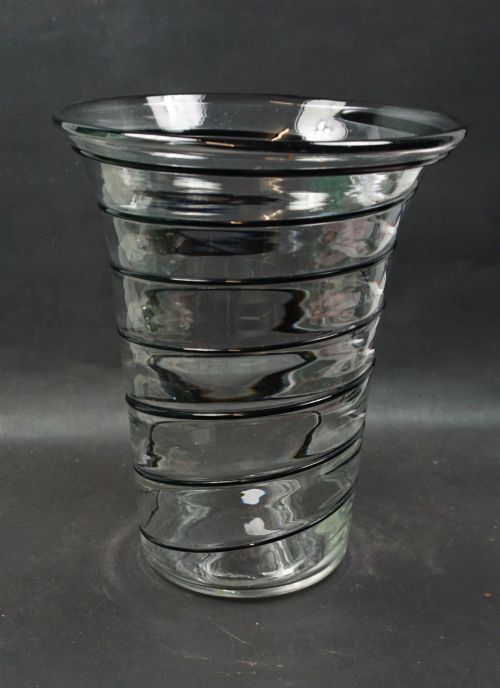
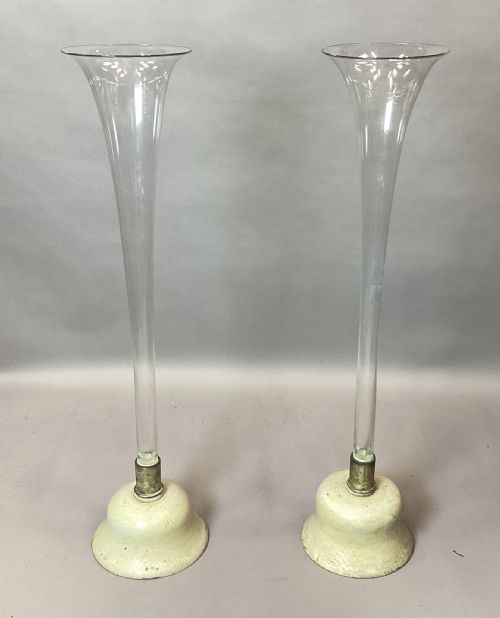
These flared rim vase examples are vessels that expand outward at the mouth, offering a distinct silhouette for floral display or standalone decorative presence.
Flared Rim Vase
A flared rim vase is a vessel designed with an opening that widens toward the top, creating a graceful trumpet or flare shape. When searching for a flared rim vase, you encounter pieces spanning the nineteenth century up through the nineteen-thirties, taking various forms from English porcelain to Japanese export wares.
How they were made
Makers utilised porcelain and lead crystal, shaping the clay on wheels or blowing the molten glass to achieve the characteristic wide neck. Techniques such as optical blowing create internal patterns in glass, while ceramics receive hand-painted glazes, gold leaf, or lacquer over black paint.
Surface decoration ranges from deep cobalt cutting to clear glass and intricate crystalline glazes developed by potteries like Ruskin. Silver-plated metalwork also appears, showing pierced floral petal shapes formed around the flared rim.
Flared Rim Vase Retail Price Guide 2026
Typical asking prices for flared rim vase among the pieces listed under this phrase on Sellingantiques today, from the lower quarter to the upper quarter. They describe what is for sale here now, not the wider market.
Listings feature porcelain, lead crystal, and enamel, alongside specialised finishes like crystalline glaze and lacquer over black paint.
What varies in quality
Quality rests in the crispness of the execution, whether in the depth of cut glass or the precision of hand-painted porcelain details. Superior examples display balanced proportions between the wide rim and the body, alongside controlled application of glaze, lacquer, or gilding.
Weight and stability matter considerably in vessels with wide mouths, distinguishing substantial country house pieces from lighter decorative items. The ambition of the form, such as large scale or complex optical glass blowing, dictates the standing of the piece.
James Powell·Daniel & Arter·Ruskin Pottery·Moorcroft
The Flared Rim Vase Glossary
- Flared rim
- A mouth that expands outward from the neck of the vessel. This profile provides stability for larger arrangements and showcases the interior glaze or glass.
- Cut to clear
- A glassmaking technique where an outer layer of coloured glass is cut away to reveal a clear layer beneath. This creates sharp contrast and intricate geometric or floral patterns.
- Crystalline glaze
- A ceramic finish that allows zinc silicate crystals to grow during the cooling process in the kiln. Each piece develops unique star-like patterns across the surface.
- Imari
- A style of Japanese export porcelain featuring underglaze blue and overglaze red, gold, and green. The palette remains striking and densely patterned.
Flared Rim Vase: Frequently Asked Questions
How do I use a flared rim vase?
These vessels suit cascading floral arrangements because the wide mouth naturally supports trailing stems and generous bouquets. They also function well as standalone decorative objects on sideboards or mantelpieces.
Placement depends on the scale of the piece, with larger country house examples requiring floor standing or sturdy furniture to support their weight safely.
What periods do these vases come from?
The pieces span the nineteenth century through the early twentieth century, taking in the Victorian era, Regency period, and nineteen-thirties.
Japanese export wares from the Meiji period appear alongside English porcelain and glass from similar decades, showing distinct regional tastes.
How do I tell Japanese export wares apart?
Japanese pieces generally fall into distinct categories like Imari, with its rich red, blue, and gold palette, or Kutani, known for intricate pictorial scenes and expressive brushwork.
Later Victorian examples also incorporate techniques like lacquer applied over black paint, adding texture and depth to the ceramic body.
Are glass and ceramic vases cared for differently?
Glass pieces require gentle cleaning with warm water to preserve cut surfaces and avoid thermal shock. Ceramics with gold leaf or lacquer need careful handling to protect delicate surface decorations from moisture and abrasive materials.
Display locations should avoid direct, intense sunlight to keep enameled and painted finishes stable over time.