

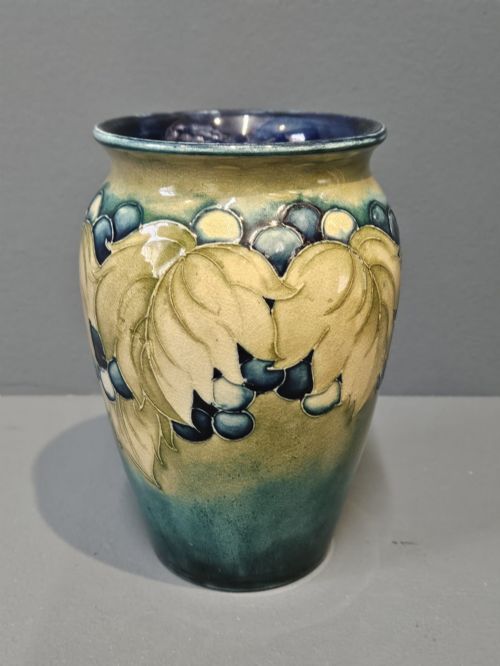

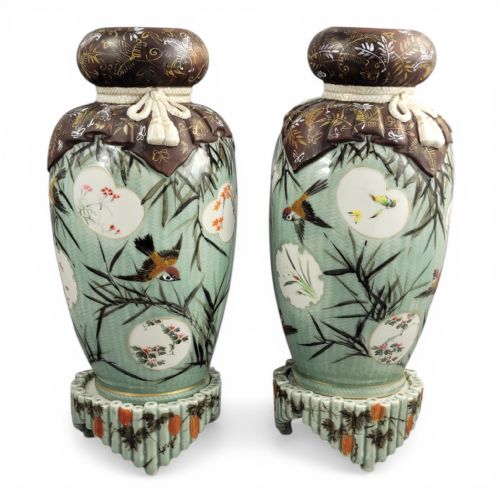
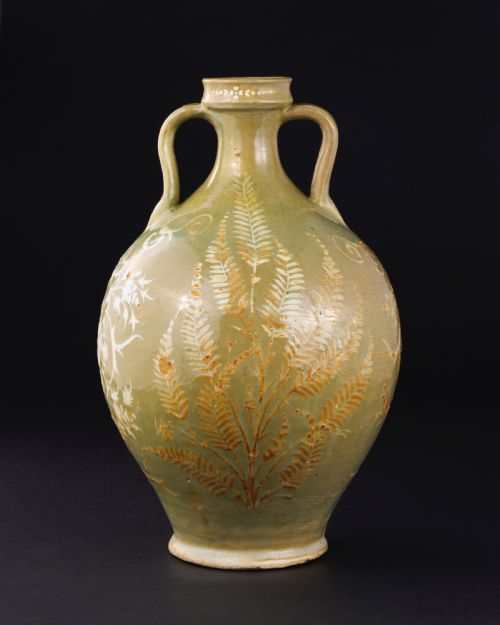


Green Celadon Vase
A green celadon vase brings quiet depth to a room through its characteristic pale jade glaze and tactile surface.
Green Celadon Vase
A green celadon vase spans a remarkable chronology, appearing in the listings from Song Dynasty antiquities through to early twentieth century pieces. Buyers searching this phrase encounter diverse forms including bottle vases, jars, and examples mounted as table lamps.
The material origins stretch across multiple cultures and periods, encompassing Chinese export ware, Meiji Period Japanese porcelain, Safavid Persian pottery, and English Regency production. Many items in this category take the form of decorative jars or pottery vases.
Nineteenth century pieces feature prominently, alongside earlier prehistoric or pre-sixteenth century foundations and twentieth century interpretations like Art Deco or Moorcroft designs. This variety means collectors find both utilitarian vessels and elaborate mounted lamps.
Materials and methods
The construction centres on porcelain and earthenware bodies coated in a thick, translucent celadon glaze that pools and varies in tone. Makers often incorporated carved or fluted surface details beneath the glaze to catch the light.
Certain decorative vessels incorporate specialist additions such as gilt bronze mounts, brass elements, enamel work, and gold leaf highlights. Fabric components appear primarily on pieces subsequently adapted as lighting fixtures.
Potters achieved the characteristic green coloration through iron oxide in the glaze interacting with reduction firing atmospheres in the kiln. This chemical process produced the subtle grey-green and sea-green hues seen across different centuries.
Green Celadon Vase Retail Price Guide 2026
Typical asking prices for green celadon vase among the pieces listed under this phrase on Sellingantiques today, from the lower quarter to the upper quarter. They describe what is for sale here now, not the wider market.
Materials documented across the inventory include porcelain, earthenware, brass, enamel, gold leaf, and traditional celadon glaze.
Assessing quality
The distinction between ordinary and exceptional work lies in the depth and consistency of the glaze application. Superior examples display an even, lustrous coating that enhances carved motifs without obscuring the underlying clay body.
Proportion and form dictate the visual impact of each piece, whether dealing with a monumental Meiji period pair or a delicate fluted bottle. The integration of metal mounts or original stands also alters the overall balance and finish.
MAKUZU KOZAN·Kato Sanhei·Moorcroft
The Green Celadon Vase Glossary
- Celadon Glaze
- A family of transparent green or grey-green ceramic glazes originating in East Asia. The finish relies on iron pigments fired in a reducing kiln environment.
- Song Dynasty
- A historical period spanning from the tenth to the thirteenth century noted for understated ceramic aesthetics. Pieces from this era often show early experimentation with crackle and celadon tones.
- Safavid Dynasty
- An influential ruling house of Persia associated with distinctive pottery production. Work from this culture demonstrates unique regional interpretations of glaze traditions.
- Meiji Period
- An era of Japanese history marked by technical mastery in porcelain and metalwork. Makers from this time produced ambitious, highly detailed vases for international and domestic markets.
Green Celadon Vase: Frequently Asked Questions
How do I clean a green celadon vase?
Dust the surface gently with a soft, dry brush to prevent accumulation in carved recesses. Avoid harsh chemical cleaners that might affect aged glazes or delicate metal mounts.
For glazed ceramic sections, a damp cloth with mild soap suffices if done sparingly. Ensure the piece is dried immediately afterwards to protect any vulnerable base materials.
Are these vases waterproof?
Many older porcelain and pottery pieces develop hairline fractures or porous bodies over centuries of ageing. Using them to hold fresh water can introduce moisture into vulnerable historic fabric.
Displaying them dry or utilising a concealed inner vessel preserves the integrity of the piece. This approach prevents mineral deposits from staining the interior glaze.
Why are some vases mounted as lamps?
Conversion into lighting fixtures became popular during the nineteenth and twentieth centuries to repurpose decorative items for modern interiors. This adaptation often involved adding brass or gilt bronze fittings to the base and top.
Collectors weigh the original vessel state against the decorative utility of the lamp conversion. Such modifications reflect the changing domestic role of antique ceramics over time.
How can I tell different periods apart?
Dating relies on examining the characteristics of the clay body, glaze pooling, and stylistic motifs. Song dynasty items show different potting techniques compared to nineteenth century French or Japanese output.
Comparing mark styles, foot rings, and surface decoration helps establish the likely origin. Consulting documented examples from specific makers provides further chronological context.