





Antique Persian Ceramics
Antique persian ceramics bring centuries of glaze, pigment and form into your rooms.
Antique Persian Ceramics
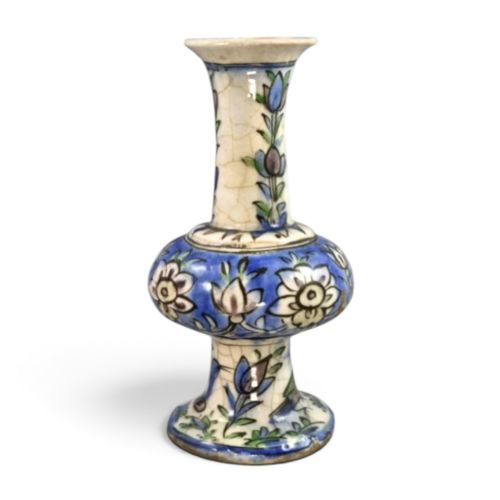
When you search for antique persian ceramics, you are looking at centuries of pottery traditions spanning early islamic pieces, seljuk works, safavid vessels and qajar wares.
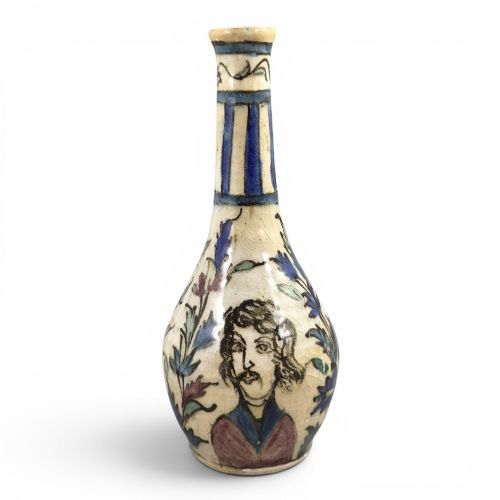
The objects on this page range from early nishapur bowls to qajar bottle vases and decorative tiles.
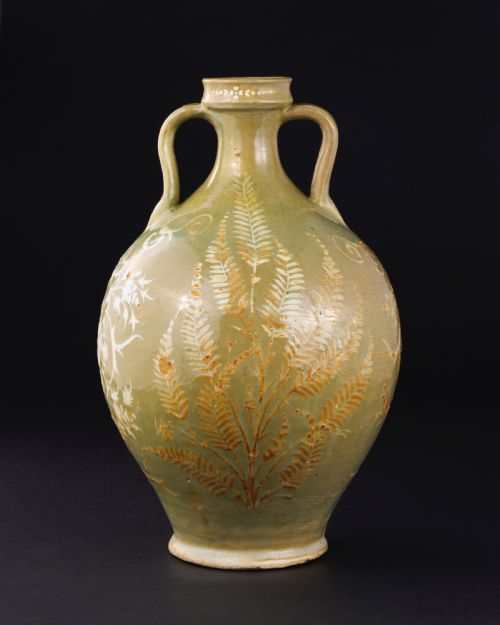
You will most commonly meet glazed ceramic bowls, pottery vessels and wall plaques bearing figures, horses, riders or nastaliq script.
What varies in quality
The finest examples display precision in painted brushwork, such as detailed portraits, figures and script.
Glaze depth and consistency also separate exceptional pieces from simpler utilitarian wares.
Intact forms and well-preserved lustre or polychrome decoration distinguish the top of the range.
Antique Persian Ceramics Retail Price Guide 2026
Typical asking prices for persian ceramics among the pieces listed under this phrase on Sellingantiques today, from the lower quarter to the upper quarter. They describe what is for sale here now, not the wider market.
Among the antique persian ceramics and tiles, a painting of persian kittens appears by Agnes Augusta Talboys.
The Antique Persian Ceramics Glossary
- Fritware
- A type of pottery composed of clay, quartz and glass frit, developed to create a whiter and finer body than traditional earthenware.
- Lustre
- A metallic glaze technique that imparts a reflective, iridescent sheen to the surface of the ceramic.
- Slip
- A mixture of clay and water applied to pottery before firing to smooth the surface or create painted decoration.
- Tin glaze
- An opaque white glaze made by adding tin oxide, providing a smooth background for painted designs.
- Nastaliq
- A traditional script used for writing the persian alphabet, frequently found on tiles and vessels.
Antique Persian Ceramics: Frequently Asked Questions
How old are these ceramic vessels?
The pieces span from early islamic periods in the tenth century through the seljuk, safavid and qajar eras.
Later examples extend into the nineteenth century, including nineteenth-century british interpretations influenced by persian design.
Where were these pieces made?
Production centres include historical persian cities such as nishapur and kashan, known for distinctive pottery traditions.
Some items originate from later european potteries working in a persian style.
How should I display antique tiles?
Tiles featuring nastaliq script or figural decoration work well mounted securely on walls or displayed on stands.
Keep them away from direct moisture and heavy traffic areas to protect the glaze.
What subjects appear on these ceramics?
Decoration includes seated figures, horsemen, portraits and narrative scenes painted in polychrome or lustre.
Other examples feature intricate script or geometric patterns across bowls, vases and tiles.