

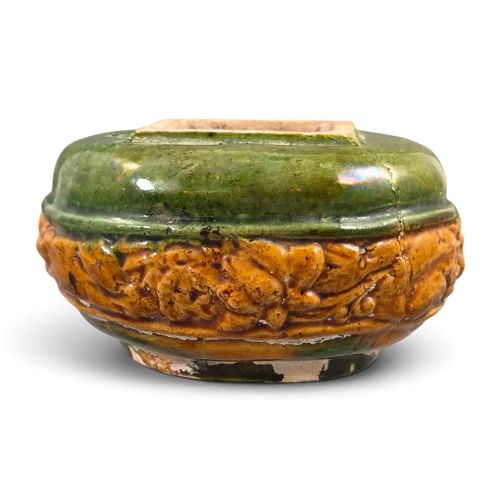
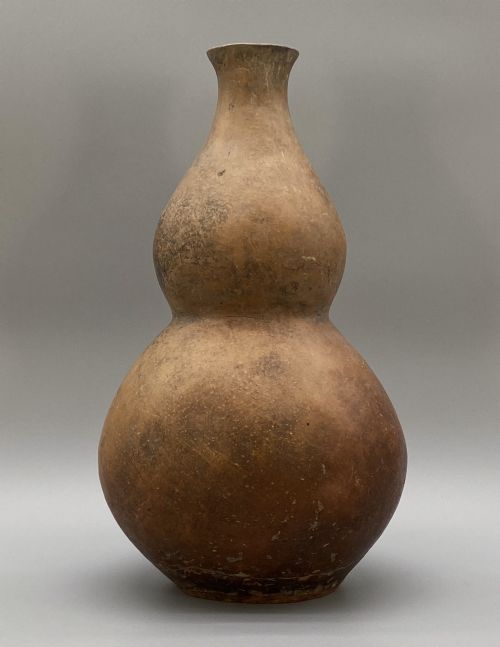


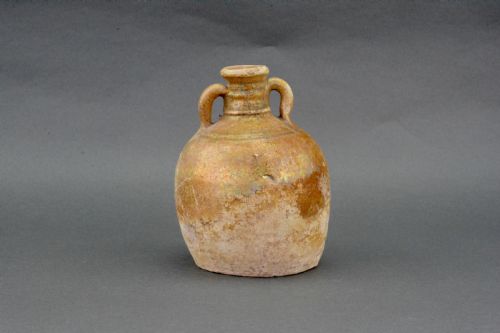

Ancient Earthenware Vessel
An ancient earthenware vessel is a profound fragment of deep history, prized for its raw materiality and survival through millennia.
Ancient Earthenware Vessel
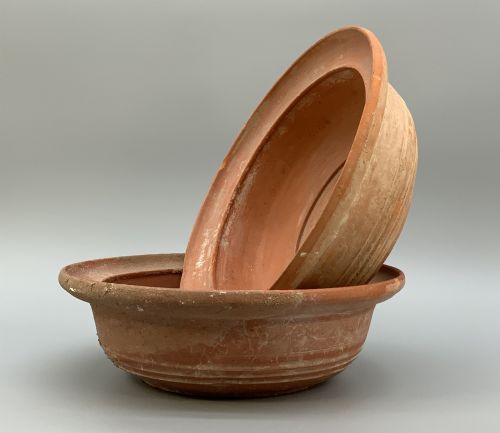
When a buyer searches for an ancient earthenware vessel, they encounter objects spanning pre-historic cultures to the medieval Islamic world and early China. These pieces include decorative bowls, waterpots, zoomorphic flasks, and double-gourd vases shaped by early potters.
The most common examples on this page are pre-Columbian terracotta pieces and early Chinese pottery, alongside slip-painted and lustre-decorated bowls from Persia. They bridge the gap between utilitarian storage and sacred or funerary art.
The periods represented stretch from the Neolithic Yangshao culture through the Han and Tang dynasties to late Roman and Ming periods. Each vessel carries the distinct aesthetic of its originating civilisation without modern mechanical intervention.
How they were made
Potters shaped these vessels from raw clay and terracotta using fundamental techniques such as coiling and hand-building before the widespread adoption of fast wheels. Pigments were applied directly to the porous body to form figurative or geometric designs.
Many surfaces received a lead glaze, slip, or fritware finish to seal the body and add colour. Firing took place in rudimentary kilns, resulting in organic variations in tone and surface texture.
Ancient Earthenware Vessel Retail Price Guide 2026
Typical asking prices for ancient earthenware vessel among the pieces listed under this phrase on Sellingantiques today, from the lower quarter to the upper quarter. They describe what is for sale here now, not the wider market.
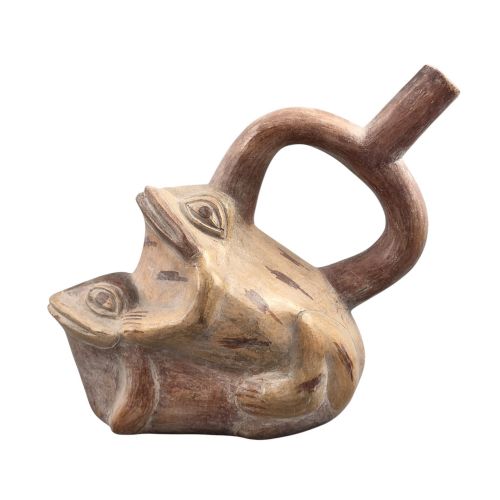
Some ancient potters recorded their moment directly in clay, leaving two-thousand-year-old vessels moulded into the lively shapes of mating frogs.
What varies in quality
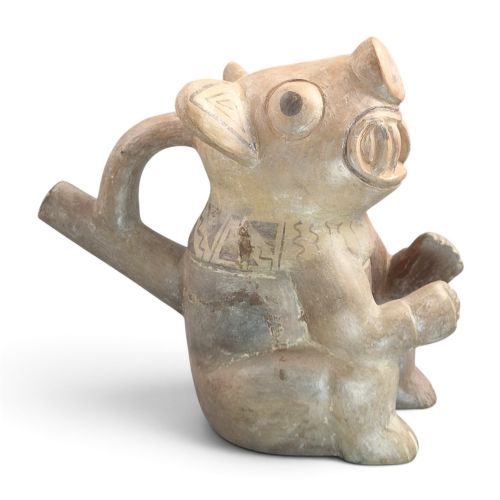
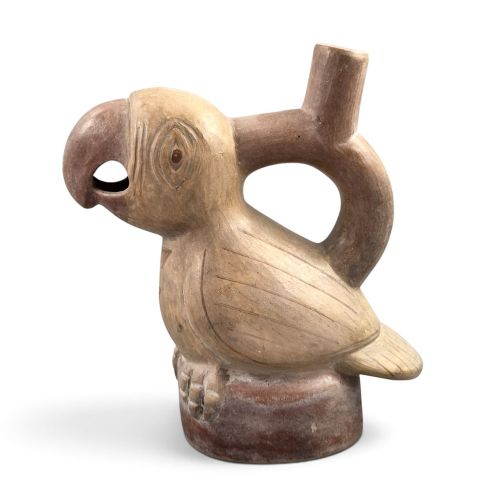
The strength of the sculptural form and the clarity of painted decoration distinguish superior examples from simpler utilitarian wares. Figurative elements, such as zoomorphic or ornithomorphic shapes, demand precise modelling to retain their character across centuries of burial.
Condition and surface preservation play a major role in evaluation, particularly the stability of early glazes, slips, and pigments. Intact profiles and legible decorative programmes elevate the standing of a piece within its historical group.
The Ancient Earthenware Vessel Glossary
- Terracotta
- A reddish-brown unglazed or glazed earthenware fired at low temperatures. It forms the structural body for many early figural and vessel forms.
- Slip
- A liquefied suspension of clay applied to pottery before firing to smooth the surface or create painted patterns. Nishapur slip-painted bowls utilise this technique extensively.
- Fritware
- A type of pottery developed in the Near East incorporating crushed quartz or glass into the clay body. This allowed for finer vessel walls and brighter turquoise glazes.
- Lustreware
- A ceramic decoration technique producing a metallic sheen through the application of metallic oxides during a secondary low-temperature firing. Kashan lustre bowls display this sophisticated finish.
Ancient Earthenware Vessel: Frequently Asked Questions
How old are these ancient vessels?
The pieces range from Neolithic cultures dating back several millennia before Christ to early Chinese dynasties and the medieval Islamic period. Their ages are determined by stylistic analysis, cultural context, and archaeological provenance.
Buyers find objects spanning from pre-Columbian civilisations over two thousand years old to later medieval Persian ceramics. Each era employs distinct manufacturing methods that help date the ceramic body.
How were these pots used originally?
Many of these vessels served practical functions in daily life, such as storing water, holding wine, or serving food. Others were created specifically for ritual purposes or placed in tombs as grave goods.
Figurative and ornithomorphic pieces often held symbolic meaning within their respective cultures. Scholar's water vessels were utilised in literate households for ink preparation.
Can I display them in my home?
These antiquities require stable environmental conditions away from extreme humidity and direct sunlight to protect fragile pigments and glazes. Many pieces benefit from custom stands designed to support uneven bases safely.
Handling should be kept to a minimum due to the porous nature of ancient earthenware and terracotta. Placing them on secure surfaces ensures they can be appreciated safely as sculpture.
How do I tell different periods apart?
Distinguishing periods relies on recognising the characteristic clay bodies, regional forms, and decorative styles of specific cultures. Chinese pieces often feature dynasty-specific glazes, whereas pre-Columbian items display distinct regional terracotta modelling.
Examining the application of slip, lead glaze, or fritware provides further clues to geographic origin and date. Cross-referencing known archaeological typologies remains the most reliable method of attribution.