





Olive Green Ceramic
Olive green ceramic pieces span centuries of earthenware and stoneware, offering tactile glazes and historic forms that anchor a room.
Olive Green Ceramic
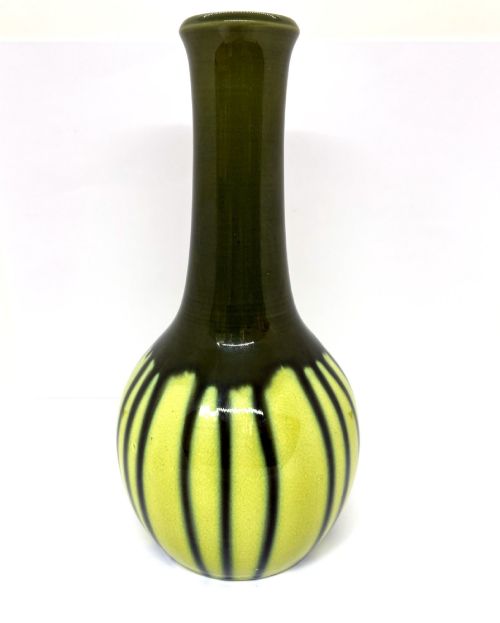
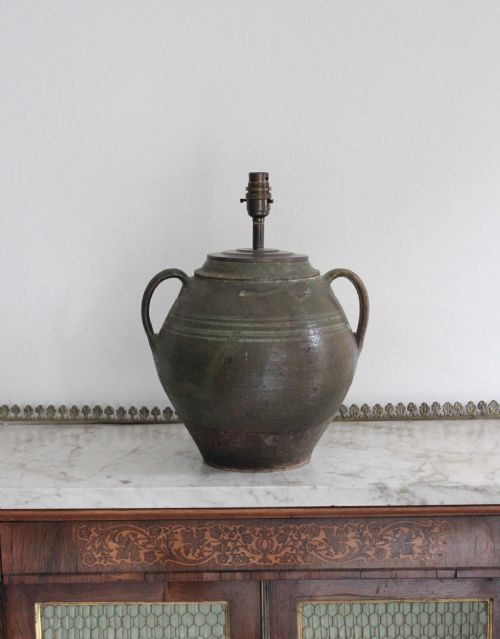
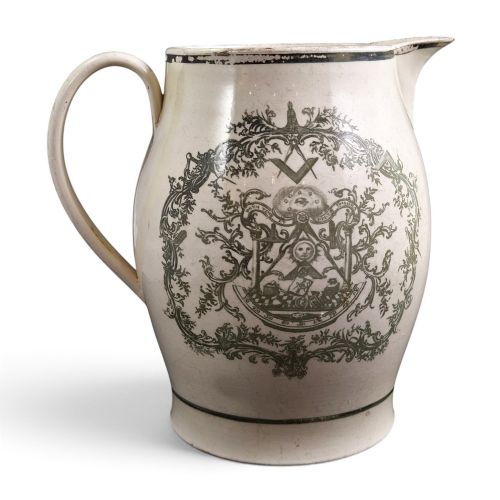
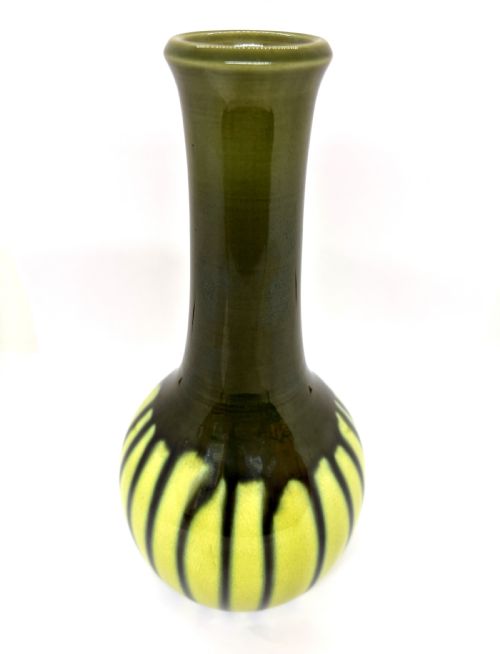
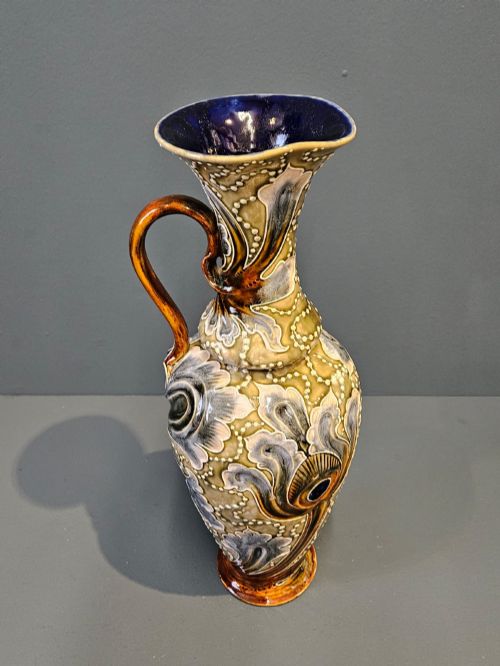
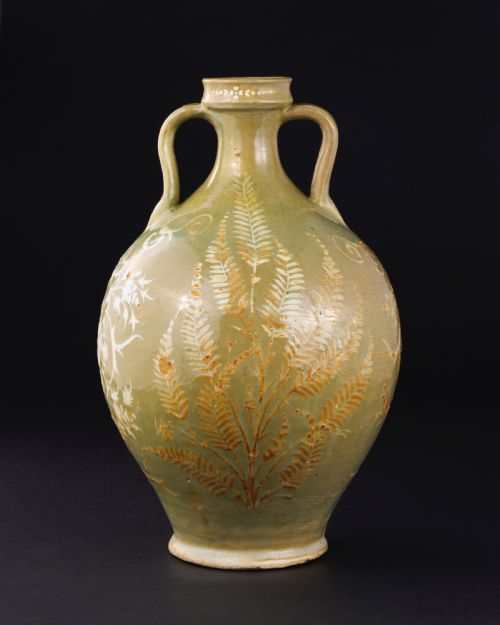
When you search for olive green ceramic, you encounter an array of vessels, jugs, and vases spanning from the seventeenth century through to the twentieth. These pieces encompass utilitarian storage jars and refined display items, reflecting centuries of domestic and decorative pottery traditions.
Makers and potteries from England, France, Persia, and Austria contribute to this variety, utilising distinct glazes like tea dust, jasperware, and simple green lead glazes. Buyers are most likely to meet functional vessels and decorative vases that highlight the enduring appeal of subdued green tones.
Materials and construction
Potters relied primarily on earthenware, stoneware, and terracotta as the physical bodies for these items, shaped either by hand or thrown on a wheel. These porous and semi-vitrified clays provided a robust foundation for the various surface treatments that followed.
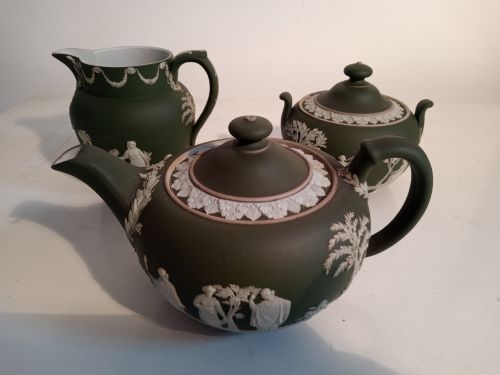
Glazing defined the final appearance, utilising specialised formulas such as tea dust glazes, jasperware, and simple green glazes to achieve the characteristic olive hue. Firing techniques in historic kilns determined the depth and sheen of the surface finish across both British and continental pieces.
Olive Green Ceramic Retail Price Guide 2026
Typical asking prices for olive green ceramic among the pieces listed under this phrase on Sellingantiques today, from the lower quarter to the upper quarter. They describe what is for sale here now, not the wider market.
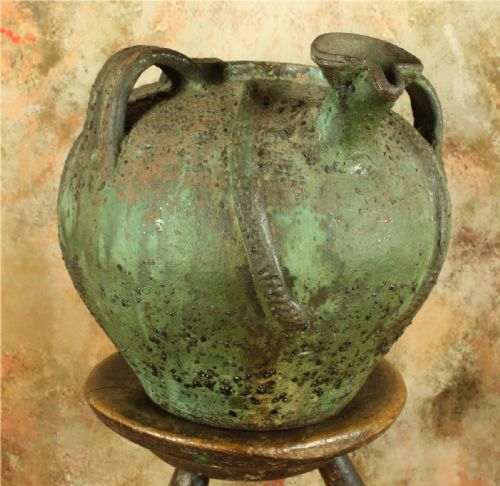
Several pieces started life holding French walnut oil or water in foreign kitchens before retiring to display shelves.
Assessing quality and finish
The distinction between standard domestic items and finer decorative pieces lies in the control of the glaze and the crispness of the modelled detail. Superior examples display an even, rich distribution of colour across complex forms without distracting kiln blemishes.
The integrity of the clay body and the finesse of the throwing or moulding process dictate the overall durability and aesthetic balance of the vessel. Better execution results in harmonious proportions and a tactile surface that retains its visual depth over centuries.
Burmantoft's Pottery·Doulton Lambeth Ware·Wedgwood·James Dudson·Royal Doulton·Turn Vienna
The Olive Green Ceramic Glossary
- Earthenware
- Porous pottery fired at lower temperatures, requiring a glaze to become impermeable. It forms the basis of many historic jugs and jars.
- Jasperware
- A fine-grained, unglazed stoneware developed in the eighteenth century, famous for contrasting applied reliefs. It offers a matte surface texture.
- Terracotta
- Fired unglazed clay ranging from orange to brown, often finished with a surface glaze for utility. It was widely used for French storage vessels.
- Celadon
- A pale green glaze originating in Asia, imitating the appearance of jade. It coats stoneware and porcelain bodies with a translucent finish.
- Ewer
- A large jug with a wide spout and a shaped handle, originally designed for washing hands at table. Later examples served purely decorative functions.
Olive Green Ceramic: Frequently Asked Questions
How do I clean historic ceramic vessels?
Dust gently with a dry, soft cloth to remove surface particles without disturbing fragile glazes or historic surfaces.
Avoid immersing porous earthenware or antique terracotta in water, as trapped moisture can damage the historic clay body.
Are these ceramic pieces waterproof?
Many stoneware and glazed pieces can hold water safely, but porous historic earthenware and confit jars may seep moisture.
Place a discreet glass or plastic liner inside older decorative vases if you plan to use them for fresh flowers.
How do I date an olive green ceramic piece?
Examine the base, potting technique, and glaze characteristics for clues that align with specific manufacturing periods.
Stylistic markers such as Art Nouveau floral motifs or Victorian neoclassical reliefs help narrow down the decade of production.
What is the difference between earthenware and stoneware?
Earthenware is fired at lower temperatures and remains slightly porous, requiring a glaze to hold liquids effectively.
Stoneware is fired much higher until the clay vitrifies, resulting in a denser, non-porous material that is naturally durable.