

Antique Botanical Vase
When you search for an antique botanical vase, you are looking at vessels and paintings that capture plant life through ceramics, glass, metal, and canvas.
Antique Botanical Vase
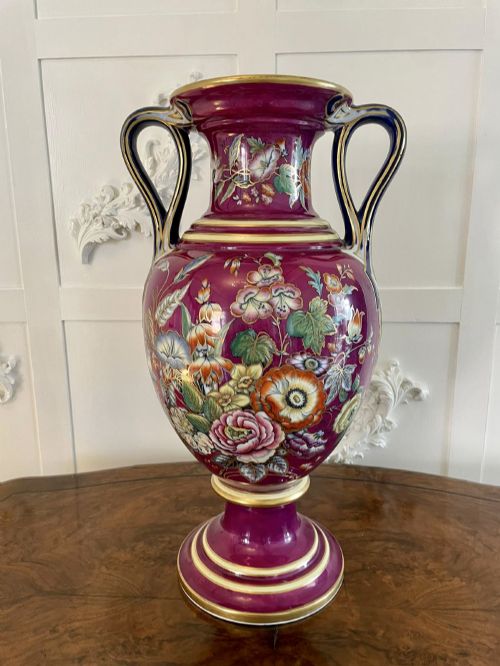
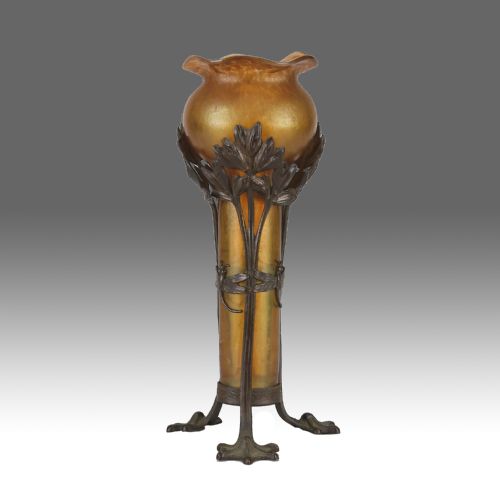
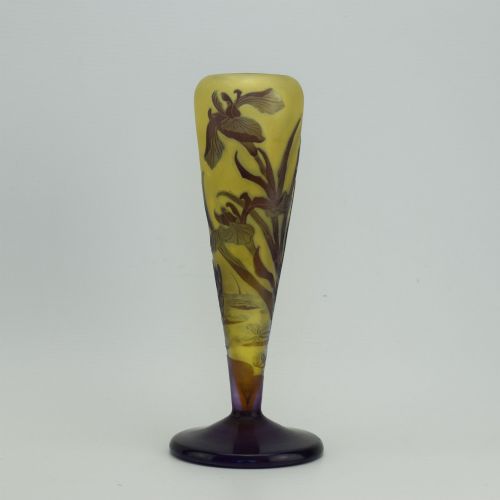
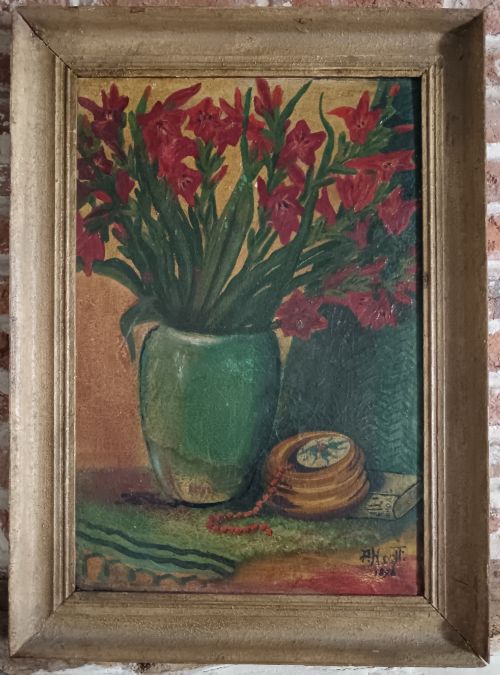
An antique botanical vase encompasses ceramic vessels, glass pieces, and oil paintings depicting flowers, plants, and natural forms from periods spanning the seventeenth century through to the mid-twentieth century. The selection ranges from Victorian porcelain and stoneware to Art Nouveau cameo glass and oil paintings on canvas.
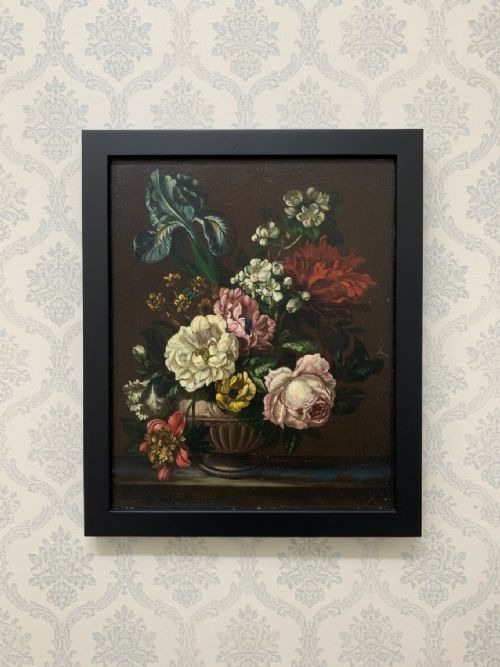
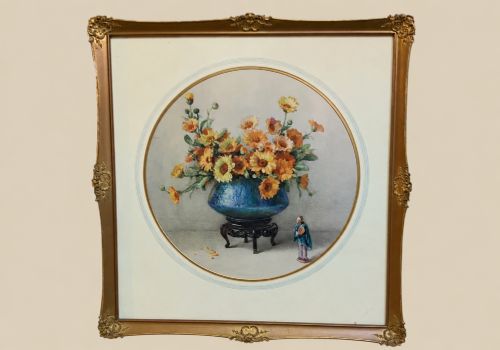
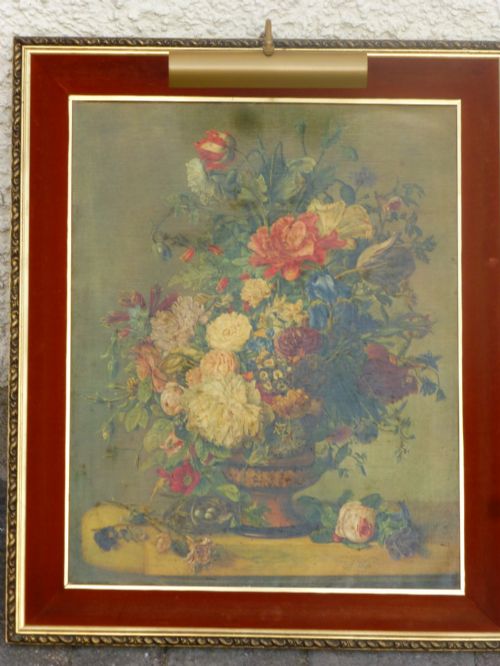
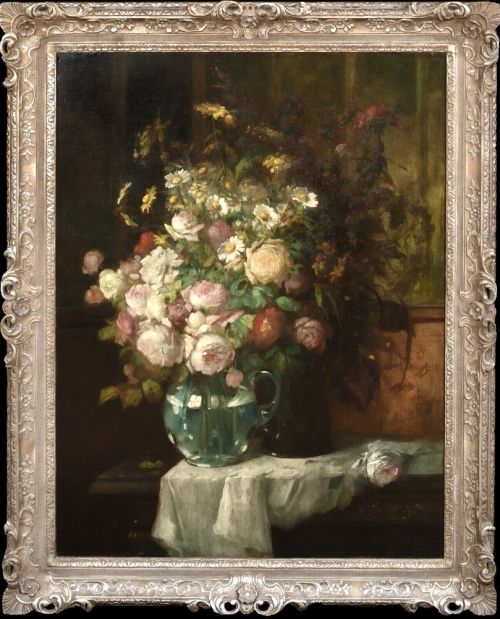
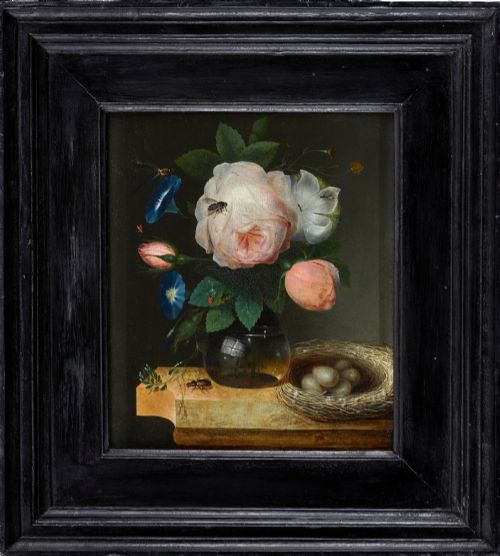
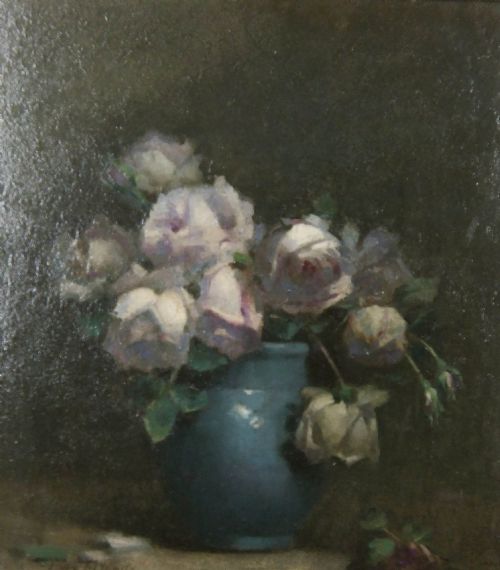
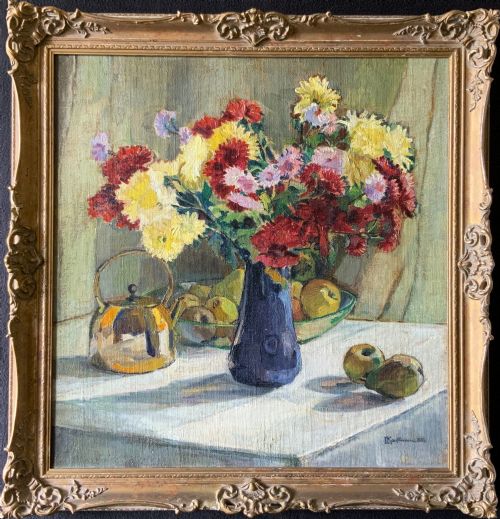
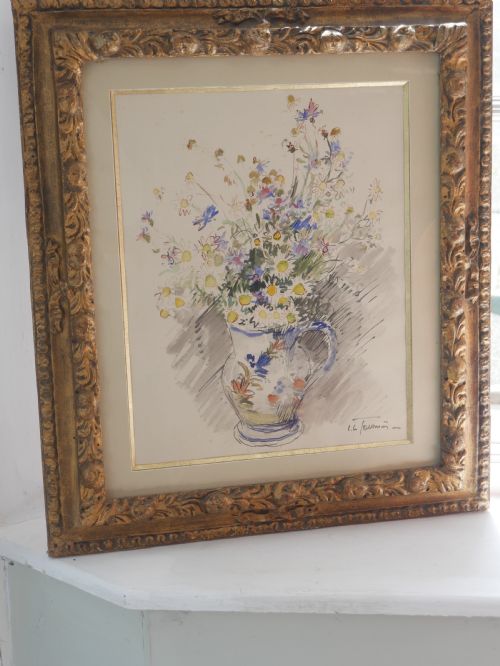
Buyers frequently encounter pieces originating from British, French, and Austrian makers, alongside Japanese bronzes and Dutch school still life paintings. Forms extend from twin-handled urns and epergnes to framed canvases and watercolours depicting summer roses, anemones, and irises.
Materials and construction methods
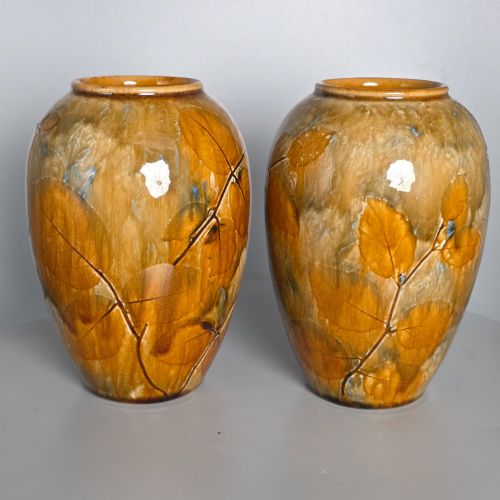
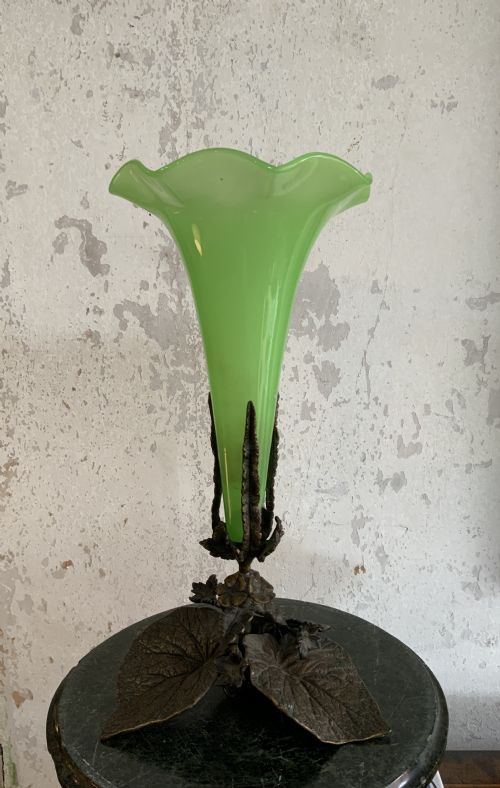
Ceramic pieces utilise porcelain, stoneware, and faience, often finished with hand-painted floral decoration or glazes such as those seen in Doulton Lambeth and Royal Doulton works. Glass items rely on cameo glass and uranium glass techniques, shaped by makers like Loetz, Daum Frères, and Émile Gallé.
Metalwork utilises copper, bronze, and brass, seen in Arts and Crafts vessels and Art Nouveau mounts. Painted works apply oil or watercolour on canvas, panel, and paper, executed by artists recording flowers and still life compositions.
Botanical vases let you keep summer roses blooming indefinitely, sparing you from ever having to water the arrangement.
Distinctions in quality and execution
Quality rests upon the precision of the hand-painted botanical detail and the mastery of the medium, whether in the delicate layering of cameo glass or the brushwork of an oil painting on canvas. Established porcelain factories and recognised studio potters demonstrate greater control in form and glazing.
The integration of mounts, such as bronze fittings on glass or copper handles on pottery, dictates the overall refinement of the piece. Provenance and legible signatures from noted makers or artists elevate the standing of the work within its period.
Royal Doulton·Konstantin Stoitzner·Gaspar Peeter Verbruggen·William Thomas Wood·Loetz·Galle·Tunnicliffe·H and R Daniel·Flight Barr and Barr·Owen Bowen·Meissen·Emile Galle·Makuzu Kozan II·Daum Freres·Spode·Doulton Lambeth·Sir Edmund Elton·William Duffield·Calzolari·Lester Sutcliffe·William Hough
The Antique Botanical Vase Glossary
- Cameo glass
- A form of luxury glassware produced by etching or carving through fused layers of different coloured glass to create contrasting designs. This technique achieved prominence during the Art Nouveau period.
- Epergne
- A centrepiece ornamental dish featuring multiple branching holders or vases used for displaying fruit or flowers. They frequently incorporate glass and metal elements.
- Faience
- Tin-glazed earthenware decorated with opaque colours before firing. The method gained popularity across European potteries in the nineteenth century.
- Still life
- A work of art depicting mostly inanimate subject matter, typically commonplace objects which may be either natural or man-made, including vases of flowers. Botanical examples focus on floral arrangements.
- Porcelaneous
- A ceramic material resembling true porcelain in its vitrified, dense body while retaining distinct compositional properties. Staffordshire potteries utilised this body for large decorative vessels.
Antique Botanical Vase: Frequently Asked Questions
How do I identify an Art Nouveau botanical vase?
Art Nouveau pieces display characteristic fluid, organic lines inspired by natural plant forms, often utilising cameo glass or copper. Makers such as Gallé and Loetz employed these flowing motifs around nineteen hundred.
Look for stylised iris, cornflower, or poppy designs executed with layered glass or patinated metal mounts that reflect the aesthetics of the period.
What is the difference between a ceramic vase and a painted still life?
Ceramic vases are three-dimensional vessels formed from porcelain, stoneware, or earthenware, often featuring painted or glazed botanical decorations. They served both decorative and functional purposes in historic interiors.
Still lifes are two-dimensional oil or watercolour paintings on canvas or panel that depict botanical subjects, including flowers arranged inside vases.
Where were nineteenth century porcelain botanical vases made?
Nineteenth century porcelain vases originate from prominent European factories such as Meissen, Worcester, and various Staffordshire potteries. These establishments utilised skilled painters to render detailed floral arrangements by hand.
English factories like Flight Barr and Barr produced refined porcelain urns, while larger scale decorative pieces emerged from Staffordshire and continental kilns.
How should I care for antique glass and ceramic vases?
Antique glass and ceramics require gentle handling, avoiding sudden temperature changes that can stress fragile materials like uranium glass or cameo layers. Dusting with a soft, dry cloth is generally sufficient for regular maintenance.
Water should not be left standing inside antique vessels for extended periods, as moisture can seep through unglazed interiors or affect historic repairs and painted surfaces.