




Botanical Art Glass Vase
These pieces of botanical art glass vase bring floral motifs and coloured glass together, offering collectors striking cameo work and delicate forms.
Botanical Art Glass Vase
When searching for a botanical art glass vase, a buyer encounters pieces primarily from the nineteenth and twentieth centuries, spanning periods such as nineteen hundred and nineteen twenty. The selection ranges from significant Art Nouveau works featuring floral and aquatic themes to Edwardian and mid-century interpretations.
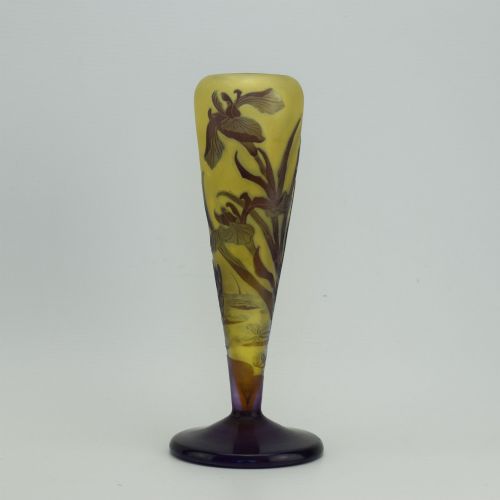
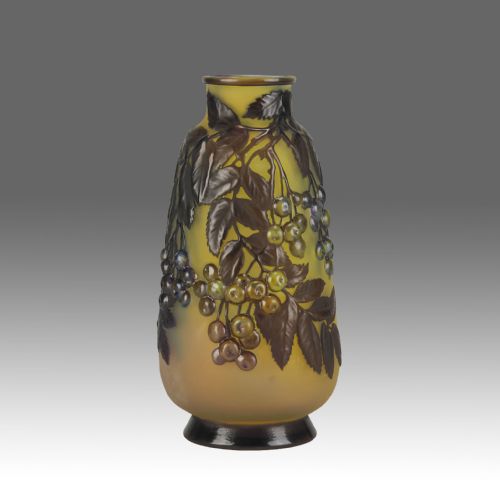
The dominant forms on this page are glass vases created using cameo glass and acid-etched glass techniques. Makers integrated botanical subjects like cornflowers, irises, and lilies directly into the glass structure.
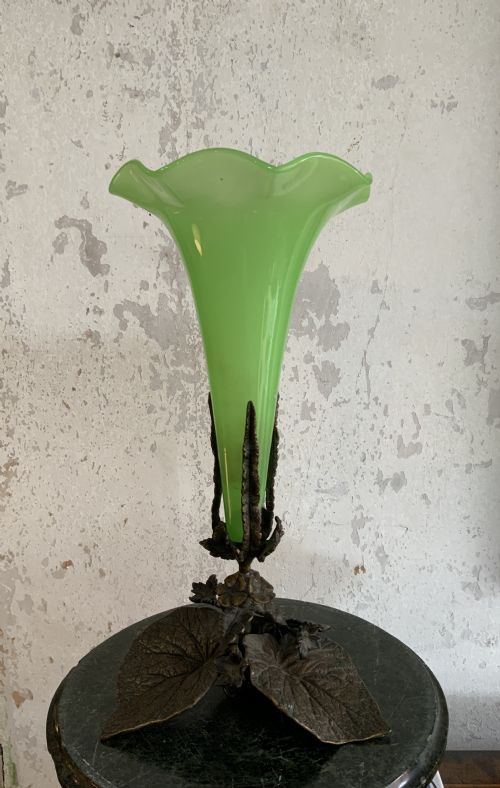
Alongside glass vessels, the evidence shows related decorative items including bronze-mounted epergnes and uranium glass. These pieces reflect the broader aesthetic movements of their respective decades.
What varies in quality
Quality rests on the depth and precision of the cameo carving and the clarity of the glass layers. Superior pieces display crisp botanical details, such as distinct petals and leaves, achieved through controlled acid-etching.
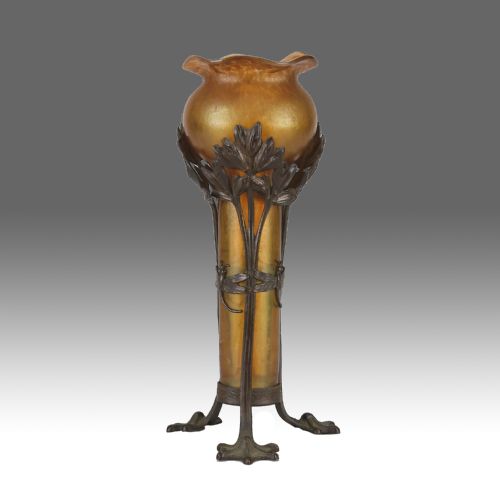
The integration of secondary materials like bronze mounts also distinguishes finer examples. Harmonious proportions between the glass vase and its metal fittings indicate higher craftsmanship.
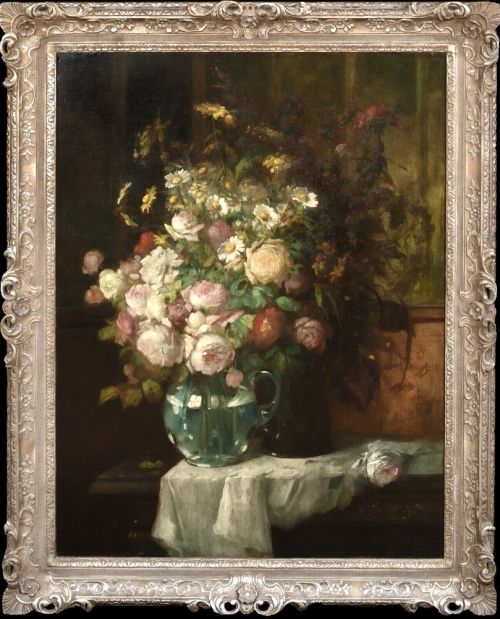
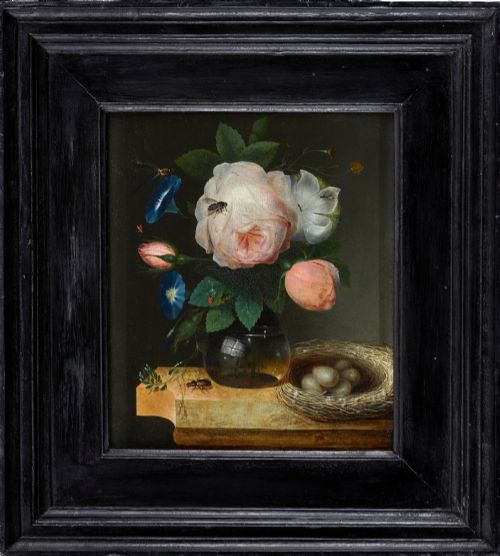
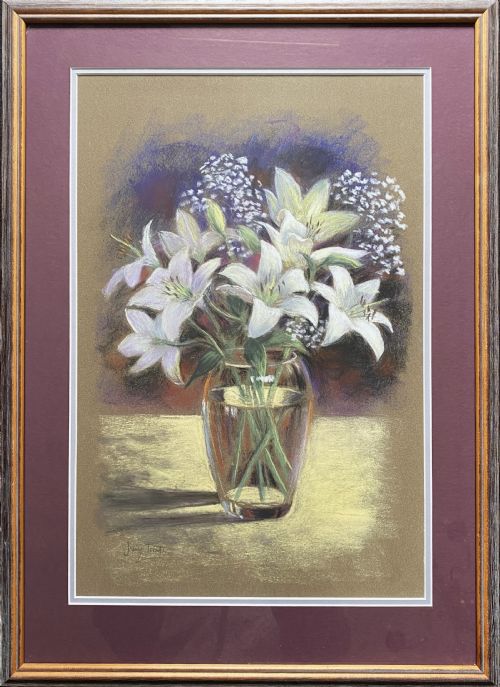
Among the glass vases and paintings, a lucky charm still life depicts lily of the valley as a token of friendship.
Loetz·Emile Galle·Daum Freres·Baccarat·Thomas Webb
The Botanical Art Glass Vase Glossary
- Cameo glass
- A form of luxury glassware produced by carving or acid-etching through fused layers of different coloured glass to create a raised design. This technique allows for intricate shading and botanical detail.
- Acid-etched glass
- Glass decorated by applying acid to eat away exposed surfaces, creating frosted or textured patterns. It is frequently utilised in botanical designs to separate petals and stems.
- Epergne
- A centrepiece ornamental dish with multiple branching holders, often featuring glass vases or trumpets. Nineteenth-century examples sometimes combine uranium glass with bronze.
- Frosted glass
- Glass rendered opaque through acid-etching, sandblasting, or ceramic enamelling. It provides a soft background texture that highlights coloured floral motifs.
Botanical Art Glass Vase: Frequently Asked Questions
What is a botanical art glass vase?
It is a decorative glass vessel featuring floral or plant motifs, typically created during the Art Nouveau period using cameo or acid-etched techniques.
These pieces highlight natural forms through layered coloured glass, capturing subjects like irises, cornflowers, and lilies.
How do I identify Art Nouveau glass?
Art Nouveau glass is characterised by organic lines, asymmetrical shapes, and naturalistic botanical themes inspired by plant life.
Look for layered cameo glass depicting flowers, alongside signatures or marks from prominent makers active around nineteen hundred.
Where were these glass vases made?
These vases originated primarily from European workshops and glasshouses during the late nineteenth and early twentieth centuries.
French and Austrian makers dominated the production of cameo glass and specialised acid-etched botanical designs.
How should I display cameo glass?
Display cameo glass in a stable location away from direct sunlight and heavy traffic to protect the delicate surface layers.
Placement near a light source can enhance the translucent qualities and layered colours of the botanical carving.