



Orange Cameo Glass Vase
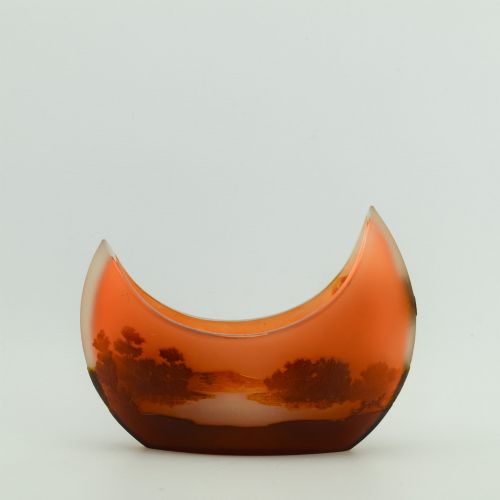
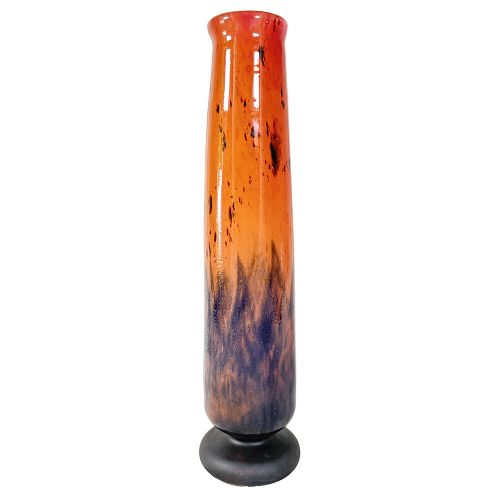
An orange cameo glass vase brings vivid warmth and intricate layered relief into a room, capturing the finest achievements of early twentieth-century French glassmaking.
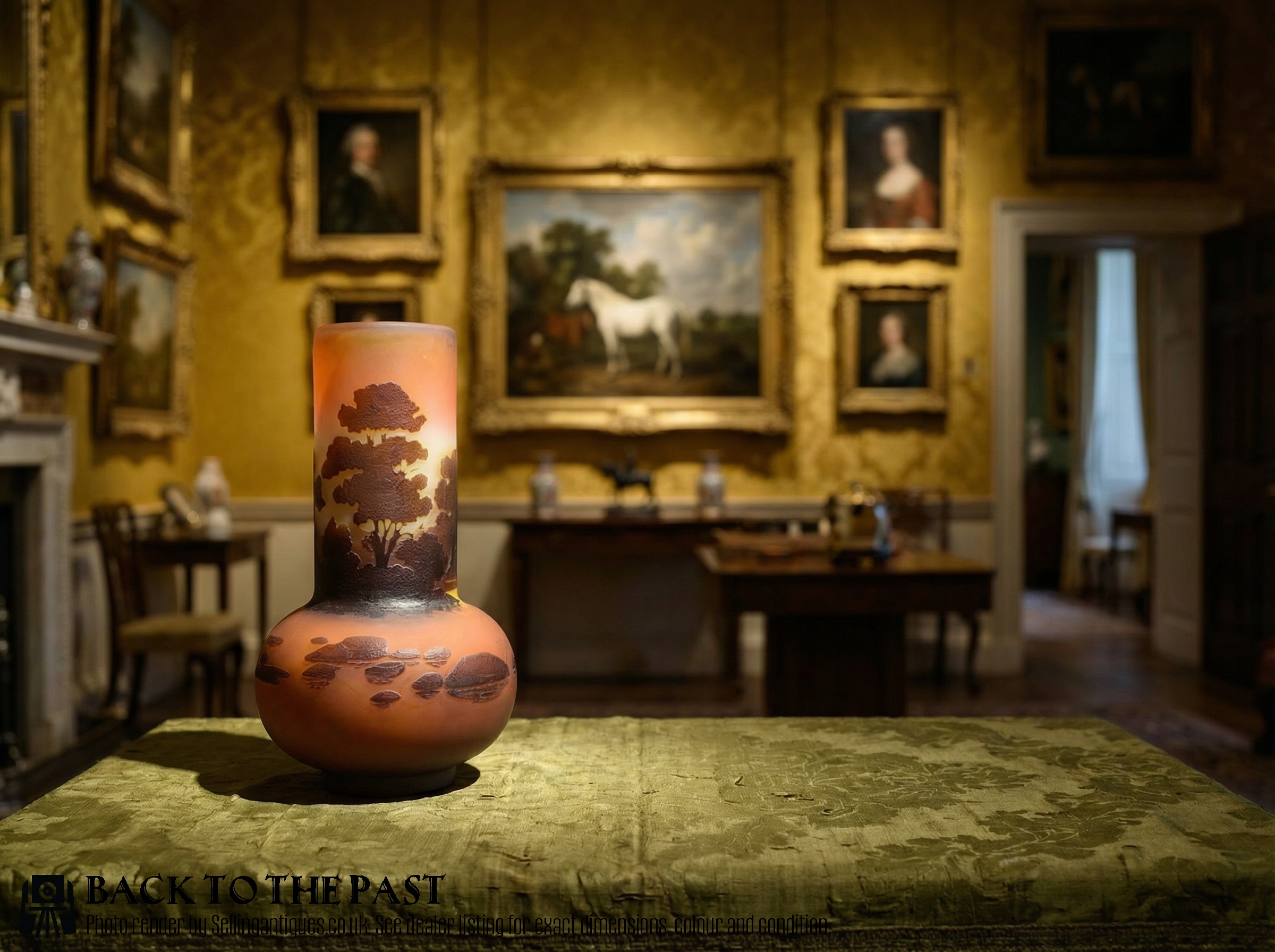
Orange Cameo Glass Vase
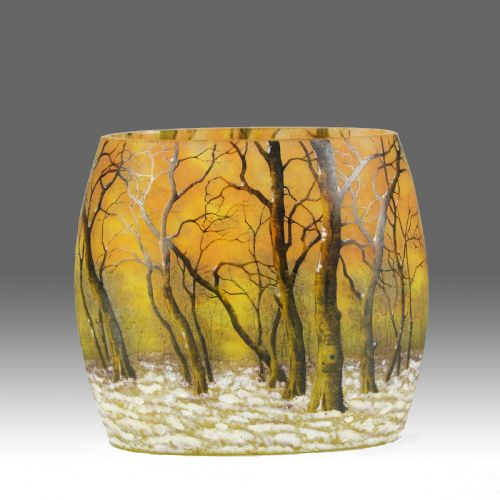
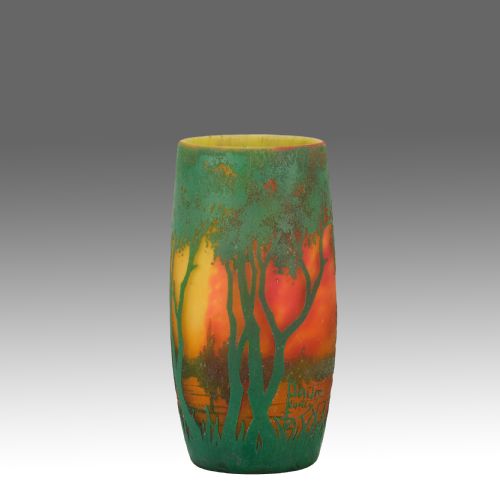
When you search for an orange cameo glass vase, you are looking at early twentieth-century decorative vessels created primarily during the Art Nouveau and Art Deco periods. These pieces showcase multilayered glass formations where contrasting colours create striking pictorial designs.
You are most likely to meet pieces originating from prominent French makers active around nineteen hundred to nineteen twenty. The forms range from large oviform vessels to crescent shapes and specific scenic depictions.
The subjects rendered on these vessels typically draw from nature, including landscapes, winter scenes, floral motifs, and aquatic themes. Each piece demonstrates a sophisticated mastery of glass chemistry and artistic design.
How they were made
Makers utilised blown glass as a base, layering different coloured glass batches together before shaping the vessel by hand. This multi-layered approach provided the depth required for subsequent carving.
Acid-etched glass techniques and hand-carving exposed the underlying colours to form the raised cameo patterns. Enamel and powdered glass additions occasionally enriched the surface texture and colour variation of the frosted glass bodies.
Orange Cameo Glass Vase Retail Price Guide 2026
Typical asking prices for orange cameo glass vase among the pieces listed under this phrase on Sellingantiques today, from the lower quarter to the upper quarter. They describe what is for sale here now, not the wider market.
Current listings exclusively feature pieces from the Art Nouveau and Art Deco periods, utilising cameo glass, frosted glass, and enamel.
What varies in quality
The distinction between standard production and the finest work lies in the depth of the etching and the complexity of the layered colours. Superior examples display precise control over the acid biting into the glass, creating crisp contours and subtle tonal gradations.
The artistic ambition of the subject matter dictates the upper tier of the range, where intricate landscapes or detailed floral studies demand exceptional technical skill. Simpler geometric patterns or repetitive motifs generally occupy a different tier of craftsmanship.
Daum Freres·Galle·Legras·Schneider
The Orange Cameo Glass Vase Glossary
- Cameo Glass
- Glass vessels formed with multiple layers of contrasting colours, where portions of the outer layers are carved or acid-etched away to leave a raised design. This technique requires immense precision to avoid cutting through the background.
- Acid-Etched Glass
- Glass treated with hydrofluoric acid to eat away exposed surfaces and create decorative patterns or matte textures. It replaced or supplemented tedious hand-carving methods in many twentieth-century workshops.
- Art Nouveau
- A decorative style prevalent around nineteen hundred characterised by fluid, organic lines and floral motifs. This aesthetic heavily influenced the earliest cameo glass designs.
- Art Deco
- A later style emerging around nineteen twenty favouring stylised geometries, bolder contrasts, and simplified forms. It marked a transition in cameo glass towards more structured visual arrangements.
- Blown Glass
- Glass shaped by inflating molten glass gathered at the end of a blowpipe. It forms the essential structural foundation for all cameo vessels before decoration begins.
Orange Cameo Glass Vase: Frequently Asked Questions
What periods do these vases come from?
The pieces originate from the early twentieth century, specifically spanning the decades around nineteen hundred, nineteen ten, and nineteen twenty.
This timeframe encompasses the height of both the Art Nouveau movement and the subsequent rise of Art Deco design.
How do I identify Art Nouveau styles?
Art Nouveau pieces feature flowing organic lines, naturalistic floral motifs, and subjects drawn from landscapes or aquatic themes.
These designs prioritise asymmetrical curves and subtle colour transitions that mimic the natural world.
Where were these glass vessels made?
These decorative glass objects were produced in France by renowned glasshouses and master artisans.
Prominent workshops in regions such as Nancy drove the innovations in cameo glass techniques during this era.
How should I display a cameo glass vase?
Place the vessel where natural light can pass through the translucent layers to illuminate the carved cameo relief.
Positioning it away from direct, harsh sunlight protects the glass while highlighting the contrast between the orange tones and underlying colours.