



Emile Galle Vase
An emile galle vase brings the fluid botanical forms of French glassmaking directly into your home.
Emile Galle Vase
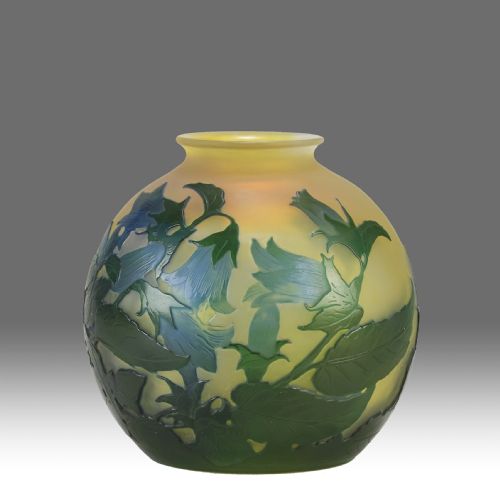
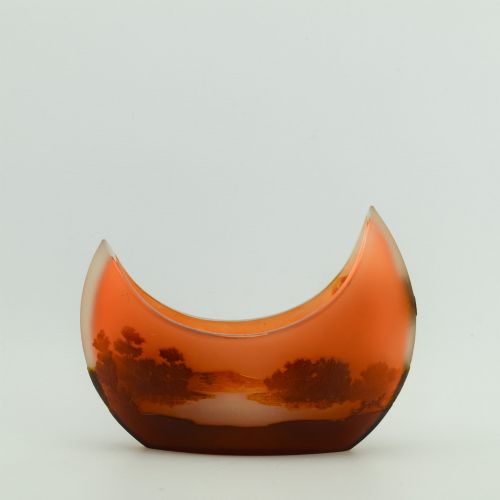
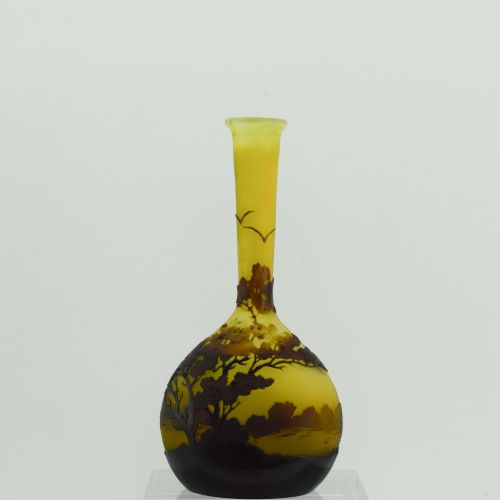
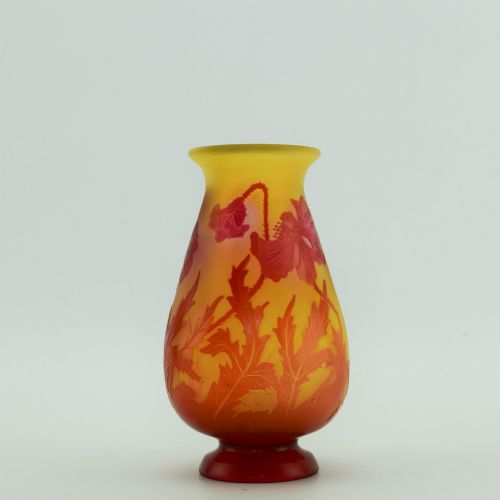
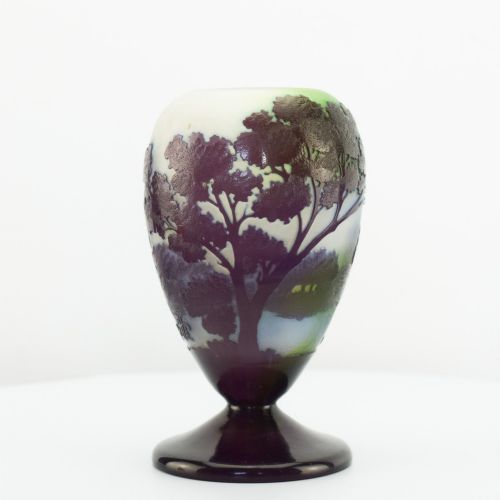
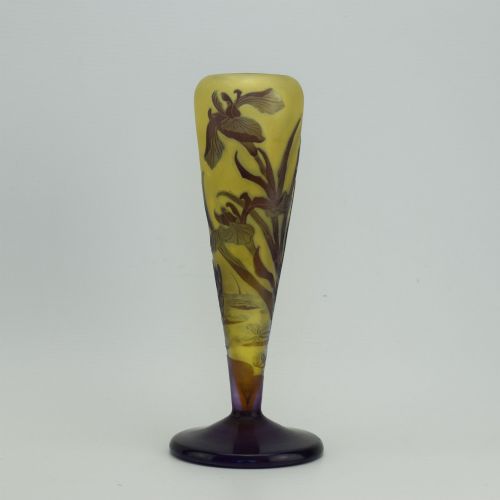
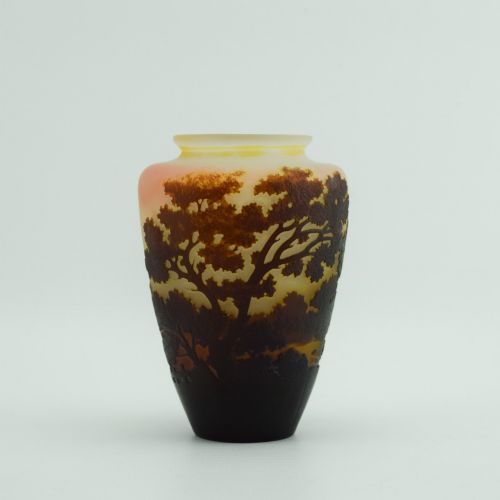
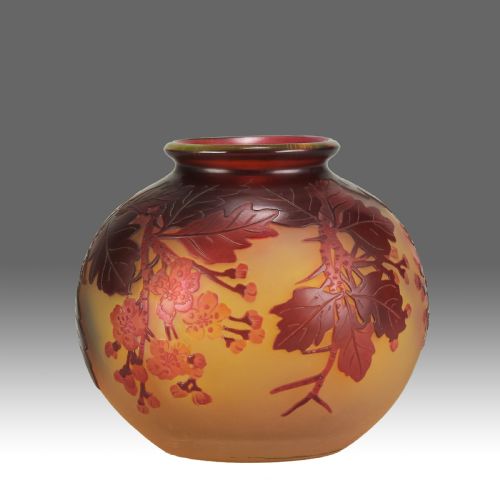
When you search for an emile galle vase, you are looking at French Art Nouveau glass produced in the early decades of the twentieth century. These pieces take the form of vases decorated with natural motifs, ranging from delicate floral stems to expansive woodland and aquatic landscapes.
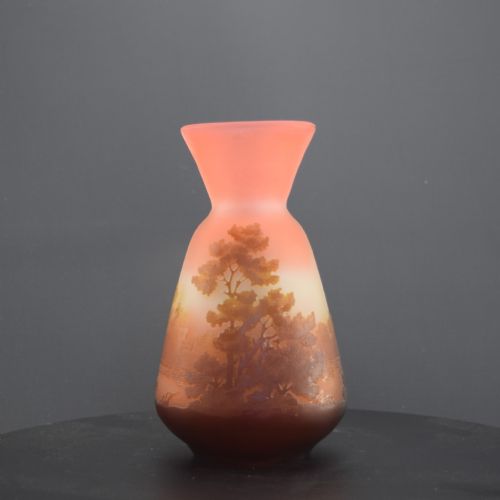
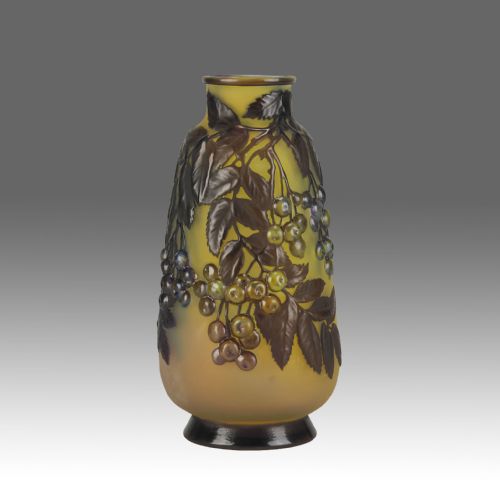
The versions you are most likely to meet on this page date from nineteen hundred to nineteen thirty. They display distinct botanical subjects such as campanula, poppy, cornflowers, and sycamore, alongside atmospheric scenes of the Vosges landscape.
Materials and Technique
These vessels rely primarily on cameo glass, acid-etched glass, and blown glass to create their layered visual depth. Artisans used acid-etching techniques to cut back successive layers of coloured glass, revealing intricate designs in relief against a contrasting background.
Certain examples utilise frosted glass or fire-polished finishes to soften the contours of the motifs. Others employ souffle or blow-out methods to expand the glass into moulds, producing dimensional surface textures.
Emile Galle Vase Retail Price Guide 2026
Typical asking prices for emile galle vase among the pieces listed under this phrase on Sellingantiques today, from the lower quarter to the upper quarter. They describe what is for sale here now, not the wider market.
Listings feature items dated across four distinct decades from nineteen hundred to nineteen thirty, all created within the Art Nouveau style.
Judging Quality
Quality rests upon the depth of the glass layers and the crispness of the acid-etching. The finest pieces display subtle tonal gradations in brown, peach, orange, and delicate shades that give natural scenes an atmospheric realism.
The complexity of the subject also separates standard production from exceptional work. Simple single-flower stems contrast with elaborate landscape or aquatic compositions that wrap entirely around the body of the vessel.
Emile Gallé
The Emile Galle Vase Glossary
- Cameo Glass
- Glass formed with multiple layers of different colours, where top layers are carved or etched away to reveal the design. This technique defines the signature look of French Art Nouveau vessels.
- Acid-Etched Glass
- Glass decorated by applying hydrofluoric acid to eat away exposed surfaces. It allows precise control over the depth and texture of botanical motifs.
- Frosted Glass
- Glass treated to create a matte, non-reflective surface finish. This treatment diffuses light and enhances the subtlety of background tones.
- Blow-Out
- A technique where hot glass is blown forcefully into a shaped mould to capture high-relief designs. It produces sculptural vases with pronounced three-dimensional forms.
Emile Galle Vase: Frequently Asked Questions
What periods do these vases date from?
The pieces span the early twentieth century, with examples recorded across the nineteen hundreds, nineteen tens, nineteen twenties, and nineteen thirties.
This timeline captures the height of the Art Nouveau movement and its subsequent stylistic evolution in French glasshouses.
What motifs appear on these vessels?
Decorations focus heavily on the natural world, featuring specific botanical studies of flowers and trees alongside scenic vistas.
Common subjects include irises, hydrangeas, ferns, and landscapes depicting the Vosges region or quiet aquatic settings.
How do acid-etched and cameo techniques differ?
Cameo glass describes the multi-layered material structure of the vessel, whereas acid-etching is the chemical method used to carve through those layers.
Together they create the characteristic layered relief seen across this selection.
How should I display an Art Nouveau vase?
Position the vessel in a space with natural light to illuminate the layered colours and frosted backgrounds.
Allow enough surrounding room for the carved botanical details and landscape scenes to be viewed from multiple angles.