
Antique Chinese Vessel
An antique chinese vessel brings centuries of master craftsmanship into a room, spanning ritual bronzes, delicate porcelains, and intricate cloisonné enamels.
Antique Chinese Vessel
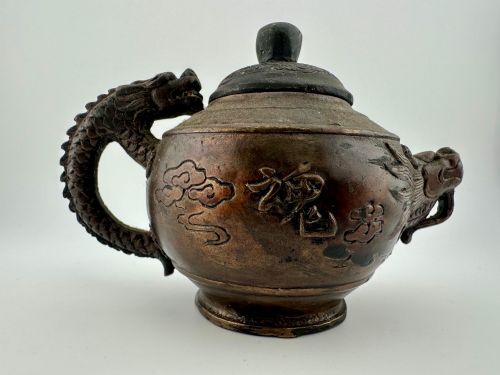
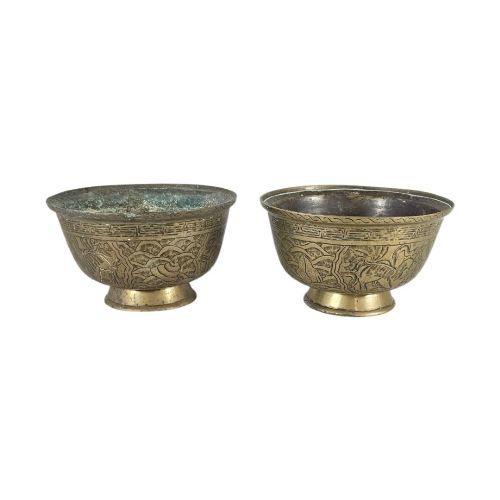
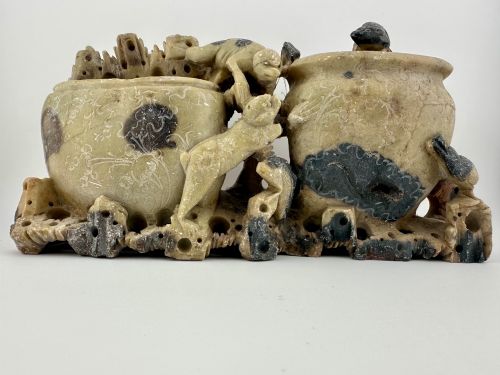
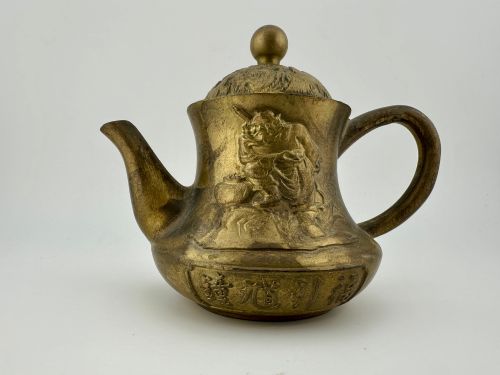
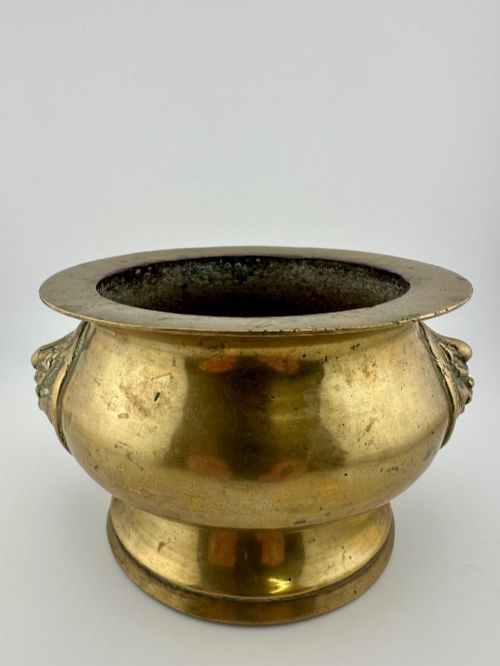
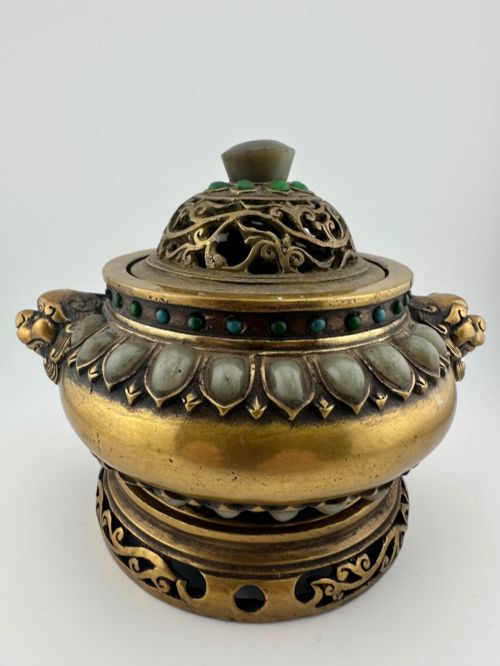
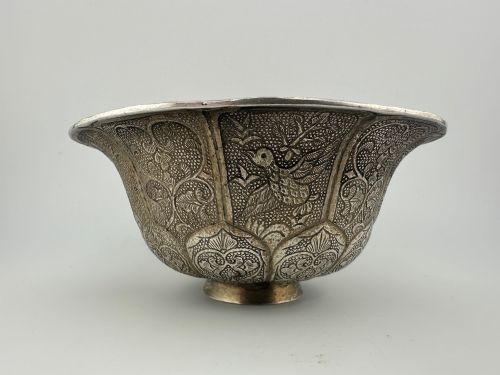
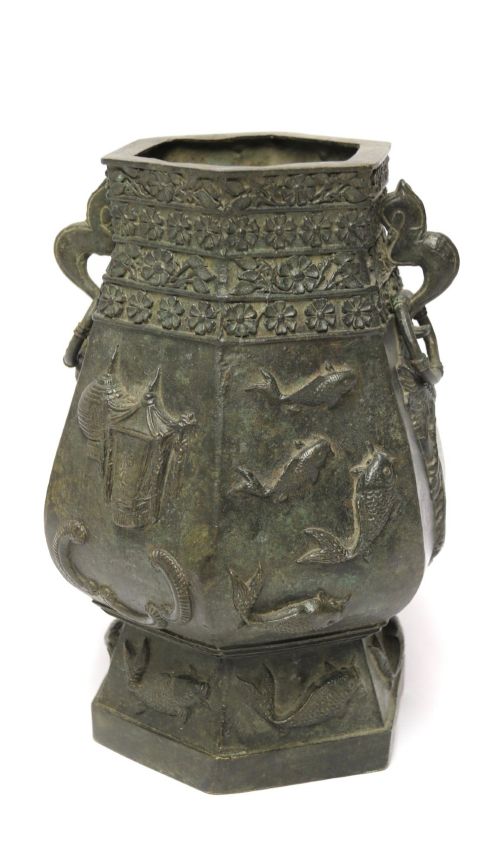
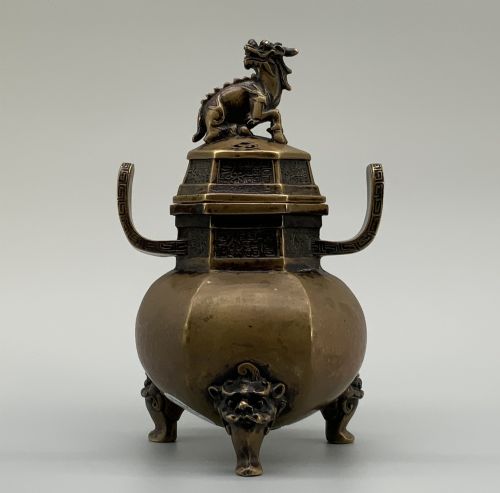
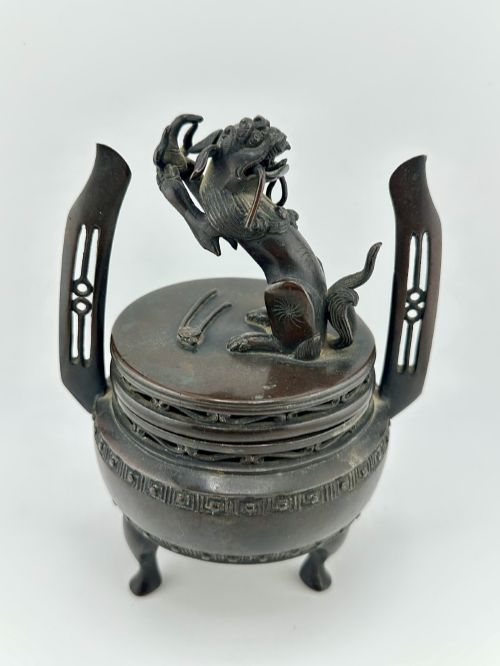
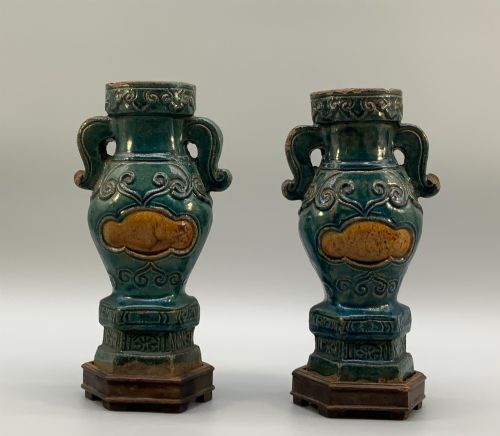
When searching for an antique chinese vessel, collectors encounter a diverse array of utilitarian and ritual objects, including censers, incense burners, vases, jars, and scholar's brush pots. The selection on this page leans heavily toward bronze and porcelain forms originating from the Ming and Qing Dynasties, alongside later pieces from the nineteenth century.
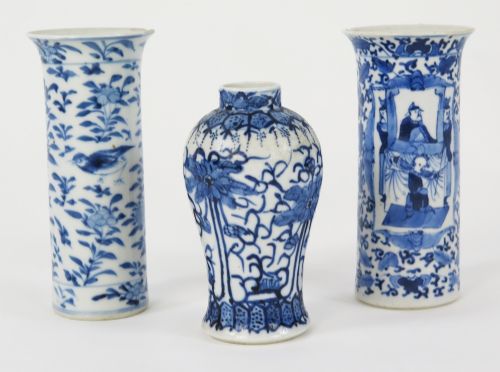
The objects range from heavy ritual bronzes cast in archaic styles to domestic porcelain items such as ginger jars, water pots, and decorative bowls. Buyers frequently find metalwork incorporating hardstone inlays, enamel work, and dragon motifs alongside ceramic pieces finished in blue and white or monochrome glazes.
How they were made
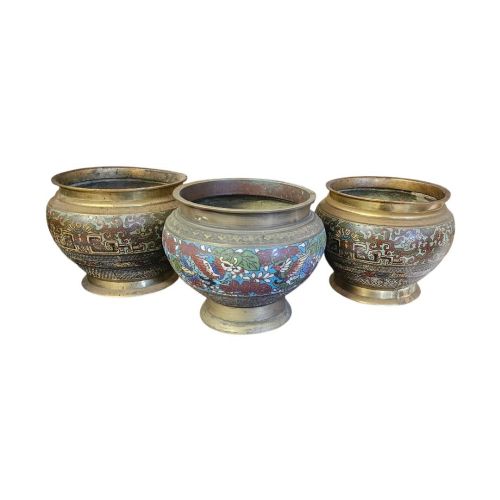
Many of the metal pieces rely on traditional lost-wax casting techniques using bronze, brass, or copper alloys, often enriched with hand-carved details or applied cloisonné enamel. Artisans fused glass pastes to metal wire partitions to create colourful decorative patterns before firing and polishing the surfaces.
Ceramic vessels involve high-temperature kiln firings of porcelain or earthenware clay bodies, shaped on the wheel or moulded by hand. Potters applied mineral pigments such as cobalt underglazes or applied coloured glazes like celadon and powder-blue before glazing and firing the piece to vitrification.
Available forms span the Ming and Qing Dynasties, alongside nineteenth-century and early twentieth-century examples.
What varies in quality
Quality reveals itself in the precision of the casting or the refinement of the ceramic body and glaze control. Finer pieces demonstrate crisp detail in relief panels, securely set hardstone inlays, and balanced proportions, whereas simpler items show more generalised finishing.
The presence of historic reign marks, controlled patination on bronzes, and the delicacy of painted or enamelled details distinguish higher-tier examples. Superior scholar's objects and ritual bronzes also display greater weight, intentional architectural structure, and sophisticated handling of traditional motifs.
The Antique Chinese Vessel Glossary
- Archaistic
- A style that deliberately imitates the forms, decorations, and patination of much older ritual bronzes from early dynasties. This aesthetic was particularly popular during the Ming and Qing periods.
- Censer
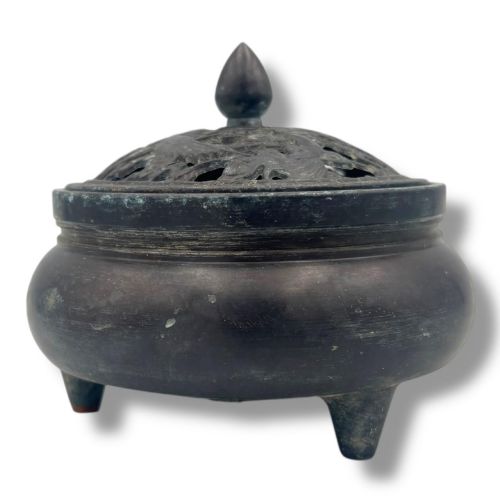
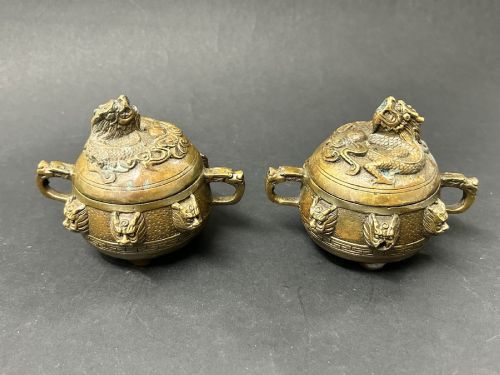
- A vessel designed for burning incense, frequently supported by three feet and fitted with a pierced cover. These items often feature dragon handles or qilin finials.
- Cloisonné
- An enamelling technique where metal wire is soldered to a metal base to create cells, which are then filled with coloured glass paste and fired. Beijing workshops produced notable examples of this technique.
- Bitong
- A cylindrical brush pot used in a scholar's studio to hold writing brushes. They appear in porcelain, hard wood, soapstone, and bronze.
- Celadon
- A type of ceramic glaze known for its jade-green colour, achieved through iron oxides fired in a reducing kiln. Ming Dynasty examples show particular mastery of this finish.
Antique Chinese Vessel: Frequently Asked Questions
What is an archaic bronze censer?
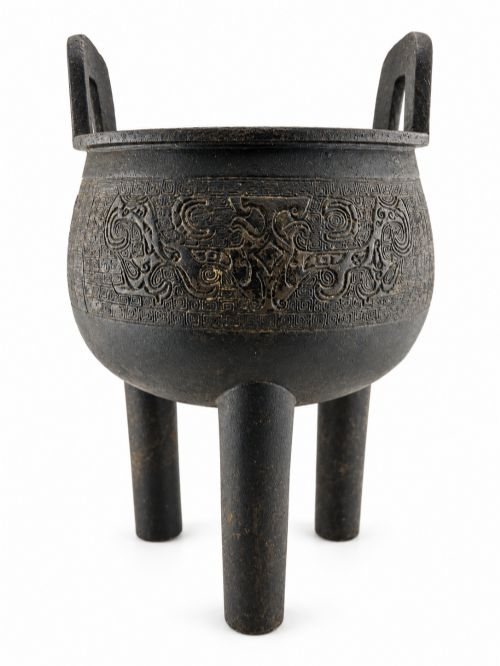
An archaic bronze censer is a ritual vessel designed to burn incense, typically cast in forms that imitate ancient ceremonial bronzes from early dynasties. They often feature taotie mask decorations and tripod supports.
These pieces were utilised in temples and scholar's studios alike, serving both spiritual and meditative functions while demonstrating the status and erudition of the owner.
How do I care for a bronze vessel?
Bronze vessels require minimal intervention, needing only gentle dusting with a soft, dry cloth to protect their historic patination. Avoid using chemical polishes, which can strip away centuries of oxidation.
Keep the items away from excessive moisture and direct sunlight to preserve the stability of the metal and any inlaid hardstones or applied finishes.
How do I identify a Qing Dynasty piece?
Qing Dynasty pieces are generally identified by stylistic markers, specific glaze types, and occasionally reign marks stamped or inscribed on the base. The era spans from the seventeenth to the early twentieth century.
Objects from this time display notable technical proficiency in both polychrome enamels, refined blue and white porcelain, and heavy ritual bronze casting.