
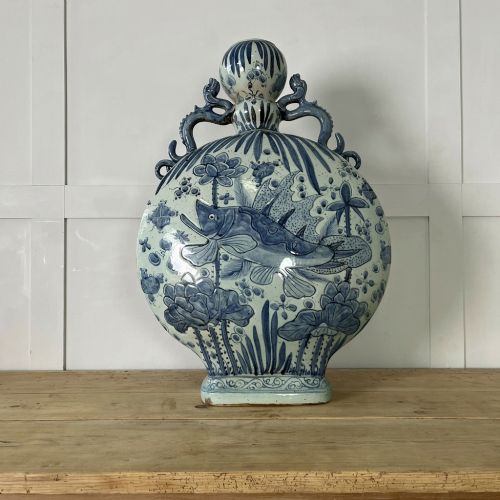


Antique Porcelain Bottle Vase
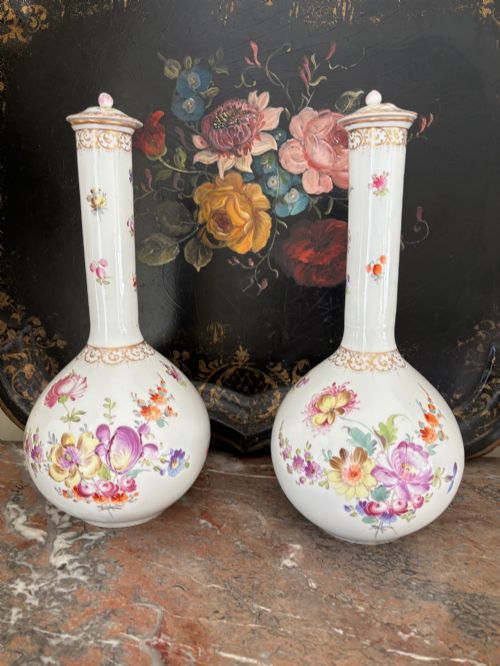
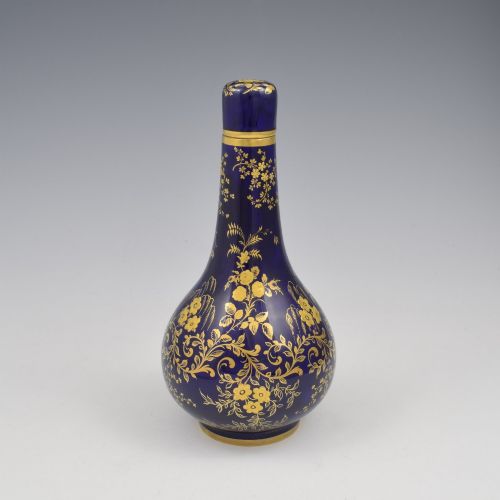
An antique porcelain bottle vase brings narrow necks and rounded bodies together, offering a traditional form that suits single stems or stands alone.

Antique Porcelain Bottle Vase
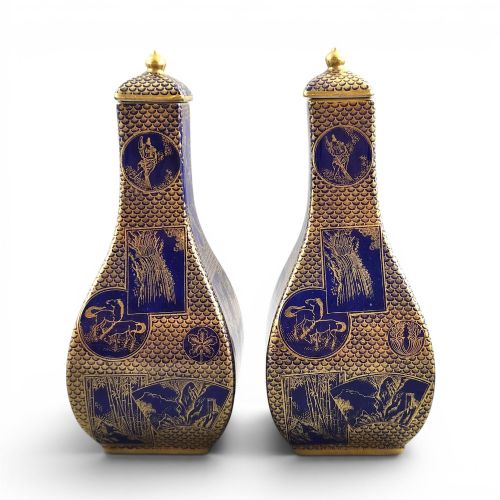
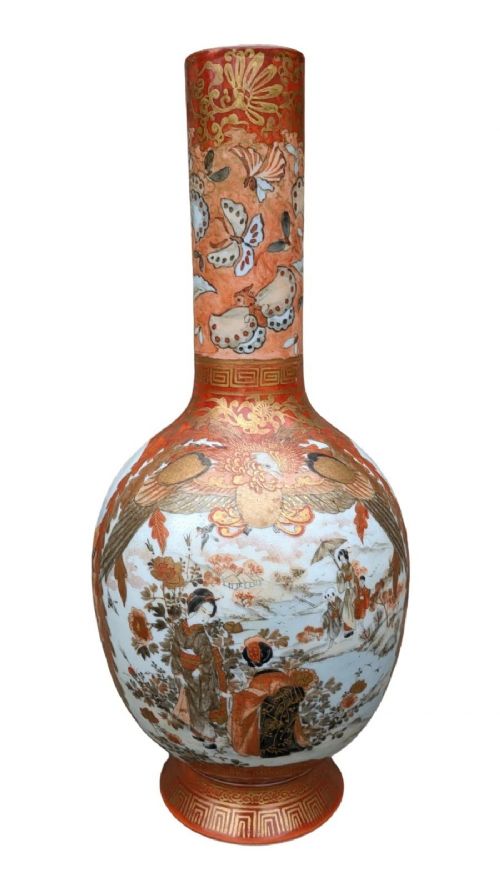
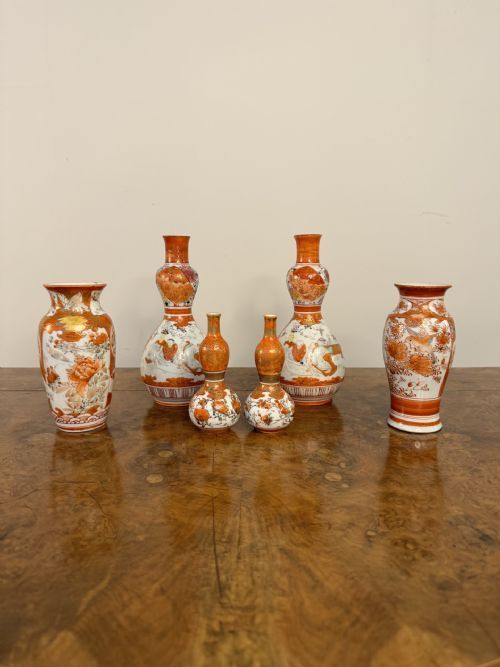
An antique porcelain bottle vase takes many forms across the nineteenth century and earlier eras, spanning English factories and East Asian kilns. Buyers find shapes ranging from slender necks with bulbous bodies to double-gourd profiles and garlic-mouth terminations.
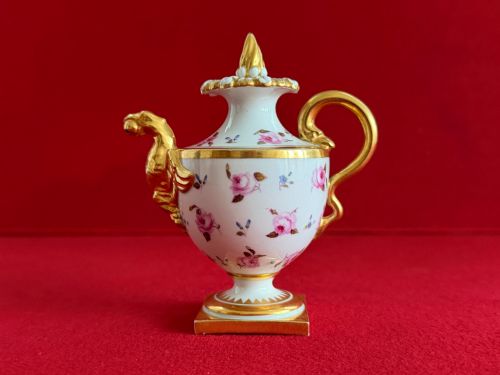
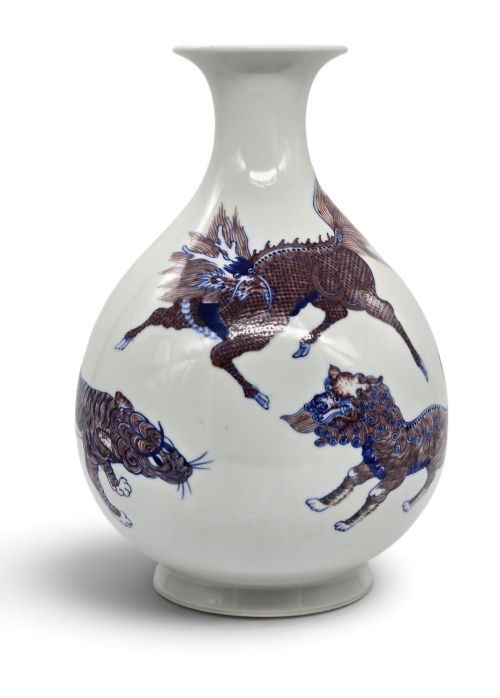
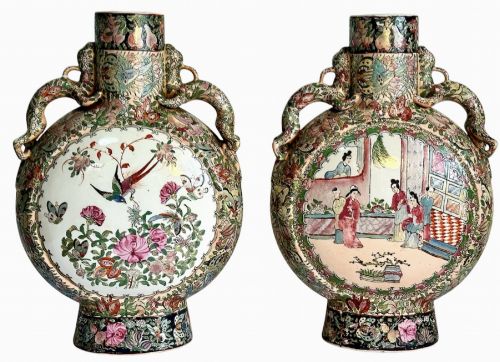
The selection on this page includes English porcelain from Worcester, Derby, Mason's, Minton, and Crown Staffordshire alongside Chinese blue and white, celadon, and famille rose pieces. Japanese Imari, Kutani, Arita, and Satsuma examples appear frequently alongside European counterparts.
Vessels range from modest miniature scent bottles and bud vases to large garniture sets and lidded containers. Each piece reflects the specific decorative conventions of its origin, whether European floral painting or Chinese imperial mark styles.
How They Were Made
Potters shaped ceramic clay and porcelain bodies on the wheel or in moulds before applying glazes such as cobalt, tea dust, and celadon. High-temperature firing set the structural body and the underglaze decoration into a durable vitrified finish.
Overglaze enamel painting, hand-painted floral motifs, and gilding with gold leaf were applied in subsequent lower-temperature firings. Artisans utilised precise brushwork to render intricate dragons, mythical beasts, and botanical scenes across the ceramic surface.
Listings feature porcelain, ceramic, enamel, and ironstone materials decorated with gold leaf, gilt, cobalt glaze, and hand-painted motifs.
What Varies in Quality
Quality separates through the crispness of the underglaze blue and the fineness of the hand-painted enamel details. Superior vessels display precise brush control and well-balanced proportions from the foot ring to the lip.
The depth and consistency of the glaze, whether a smooth celadon or a rich tea dust, determine visual depth. Marks and seals applied to the base provide evidence of factory standards and period attribution.
Flight Barr And Barr·Sitzendorf·Stevenson And Hancock·Crown Staffordshire·Royal Worcester·Minton
The Antique Porcelain Bottle Vase Glossary
- Celadon
- A pale green jade-like glaze originating in Chinese kilns. This glaze settles thickly over carved or fluted porcelain surfaces.
- Imari
- A Japanese export porcelain style employing underglaze blue, iron red, and gold leaf. The palette creates a dense, colourful decorative scheme.
- Garniture
- A set of matching vases or jars designed for display together on a mantelpiece or cabinet. These sets usually comprise three or more matching pieces.
- Underglaze
- Pigment applied directly to the unglazed ceramic body before the application of a transparent glaze and final firing. Cobalt blue is the most common pigment used in this technique.
Antique Porcelain Bottle Vase: Frequently Asked Questions
What is an antique porcelain bottle vase?
An antique porcelain bottle vase is a ceramic vessel featuring a rounded or bulbous body that tapers into a narrow neck. These pieces were produced by European and Asian potteries for decorative display or functional containment.
Craftsmen shaped these vessels from fine ceramic materials, often decorating them with hand-painted enamels, underglaze blue, or gilding. Their forms range from small cabinet pieces to large display items.
How do I date an antique bottle vase?
Dating relies on examining the base marks, glaze characteristics, and stylistic conventions associated with specific periods like the Qing Dynasty, Meiji period, or Victorian era. Factory stamps, reign marks, and handwritten artist signatures help narrow the timeframe.
Material composition and manufacturing techniques also provide clues to age. Comparing a piece to documented examples from makers listed in the evidence confirms its era of origin.
Where were these porcelain vases made?
These vases originate from historic ceramic centres across Europe and East Asia. English factories like Worcester, Derby, and Minton produced distinct porcelain styles alongside continental European makers.
At the same time, kilns in China and Japan created renowned porcelain traditions including Arita, Kutani, and Imari wares. Export trade distributed these diverse ceramic forms internationally.
How should I display my bottle vase?
Bottle vases suit placement on sturdy surfaces where their narrow necks and detailed glazes can be appreciated closely. Placing them away from direct foot traffic protects their delicate porcelain bodies and overglaze enamel work.
Single stems or small floral arrangements fit the narrow openings of bud vases and rose water sprinklers. Larger garniture sets look best arranged together across a mantel or shelf.