



Decorative Chinese Pottery
Decorative Chinese pottery brings centuries of skilled ceramic artistry into a room, offering rich glazes and intricate hand-painted motifs that catch the eye instantly.
Decorative Chinese Pottery
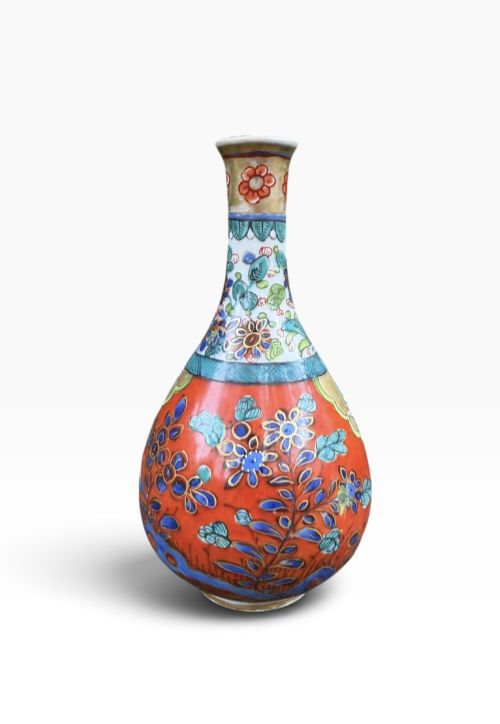
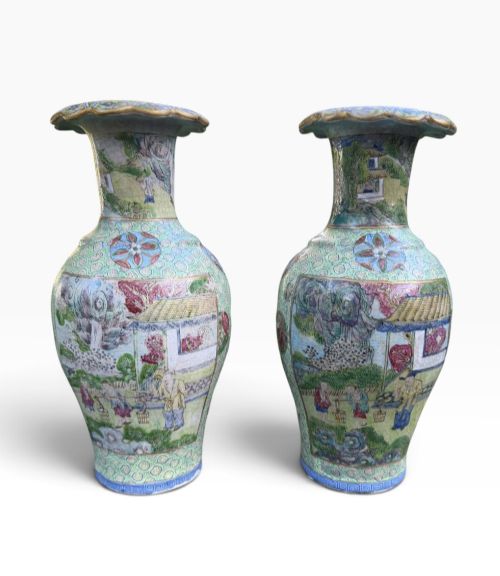
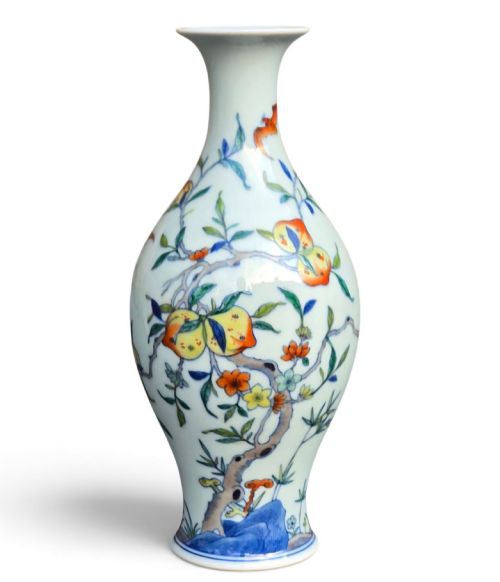
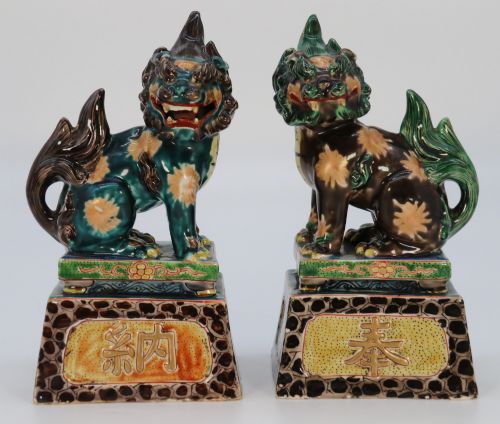
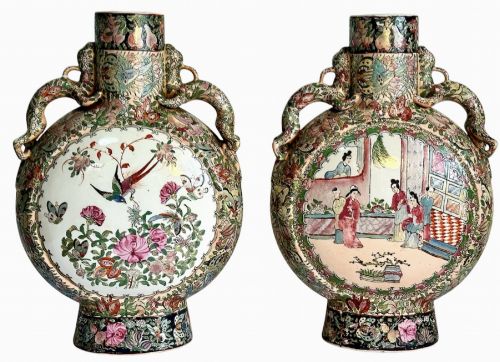
When you search for decorative chinese pottery, you encounter a varied assortment of vessels, figures, and chargers spanning multiple centuries and dynasties. The pieces you are most likely to meet on this page include 19th-century vases and bowls, alongside items styled after earlier periods like the Ming and Song dynasties. These objects range from blue and white porcelain bowls to sancai-glazed lions and ducks, reflecting a broad tradition of ornamental ceramic production.
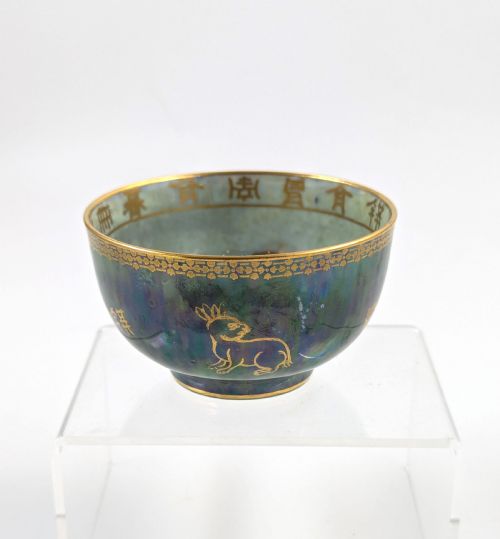
The inventory on this page also includes pieces influenced by Chinese aesthetics produced by European makers such as Wedgwood and Minton during the Victorian and Edwardian eras. Alongside authentic Qing dynasty wares, you will find items featuring famille rose and famille verte enamels, yixing clay, and celadon glazes. This mix demonstrates how deeply Chinese forms and decorative schemes influenced both Eastern workshops and Western ceramicists over successive generations.
Forms vary from practical vessels like teapots and lidded jars to purely ornamental moon flasks, chargers, and ceramic sculptures. Whether exploring a conical bowl with incised phoenix motifs or a pair of large baluster vases, each item serves as a display piece designed to introduce colour and texture into an interior. The selection captures both traditional export wares and later reinterpretations, offering distinct avenues for collectors and decorators alike.
Materials and production techniques
Potters utilised fine porcelain, earthenware, and specialised bodies like yixing clay to form the structural base of these objects. These materials were shaped either by hand or on the wheel before receiving surface decoration.
Glazes and enamels define the visual impact of these pieces, employing sancai lead glazes, celadon washes, and detailed famille rose enamel painting. Firing techniques varied according to the body and glaze type, fixing the vibrant colours and intricate motifs permanently to the ceramic surface.
Dogs of Foo stand guard over porcelain realms, keeping watchful eyes on centuries of shifting ceramic fashion.
Assessing quality in ceramic works
Quality rests heavily on the precision of the hand-painting and the depth of the glaze, where crisp lines and even coverage separate finer output from simpler work. The control shown in polychrome enamels and incised motifs reveals the skill of the original maker.
The proportion and weight of the ceramic body also dictate standard, with well-balanced vessels demonstrating superior craftsmanship during the forming and firing stages. Preservation of the surface finish over time influences how successfully the piece displays its original decorative intent.
Wedgwood·Minton·Joseph Holdcroft·Daisy Makeig-Jones
The Decorative Chinese Pottery Glossary
- Famille Rose
- A prominent palette of opaque pink and rose enamels introduced during the Qing dynasty. This colouring technique allowed for nuanced shading on floral and figural designs.
- Sancai
- A traditional three-colour lead glaze technique most frequently utilising amber, green, and creamy white tones. Potters applied these overlapping colours extensively on figures and vessels during earlier dynasties and later revivals.
- Celadon
- A transparent green glaze over a pale body that mimics the appearance of jade. The subtle jade-like crackle and tone result from iron oxide in the glaze reacting during reduction firing.
- Yixing Clay
- A fine, unglazed stoneware originating from the Jiangsu province, prized for its natural mineral colours. It is traditionally utilised for teawares due to its porous qualities.
- Clobbered
- A term describing older blue and white porcelain that was subsequently decorated in Europe with additional enamel colours and gilding. This secondary embellishment updated older stock to suit changing interior tastes.
Decorative Chinese Pottery: Frequently Asked Questions
What is decorative chinese pottery?
It encompasses a wide range of ceramic items, including vases, bowls, figures, and jars produced in China or influenced by Chinese design traditions. These pieces are created primarily for display, featuring painted enamels, carved details, and various coloured glazes.
Collectors and decorators value them for their rich history and strong visual presence in a room. The category spans antique Qing dynasty works as well as later European interpretations.
How were these pottery pieces used?
Historically, many of these vessels served functional roles as tea containers, storage jars, or serving bowls, while figures and chargers were purely ornamental. Over time, their decorative qualities became the primary reason for their retention in homes.
Today, they are used almost exclusively as interior display objects on mantels, tables, and cabinets. Their varied forms allow them to anchor a room's colour scheme or complement other antiques.
How can I tell periods apart?
Dating relies on examining the characteristics of the clay body, the specific palette of the enamels, and the style of any incised or painted motifs. For example, sancai glazes often point to Tang dynasty aesthetics or later revivals, while famille rose indicates a Qing dynasty or subsequent 19th-century origin.
Comparing base finishes, potting thickness, and stylistic markers against known examples helps narrow down the era of manufacture. Makers' marks or European factory stamps can also provide a precise timeframe for later pieces.