
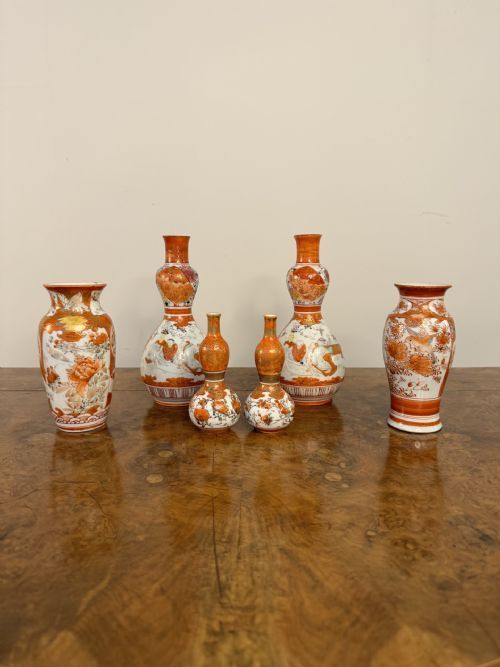


Orange Glazed Vase
These orange glazed vase pieces bring vibrant ceramics into a room, offering rich colour and historic form for the collector.
Orange Glazed Vase
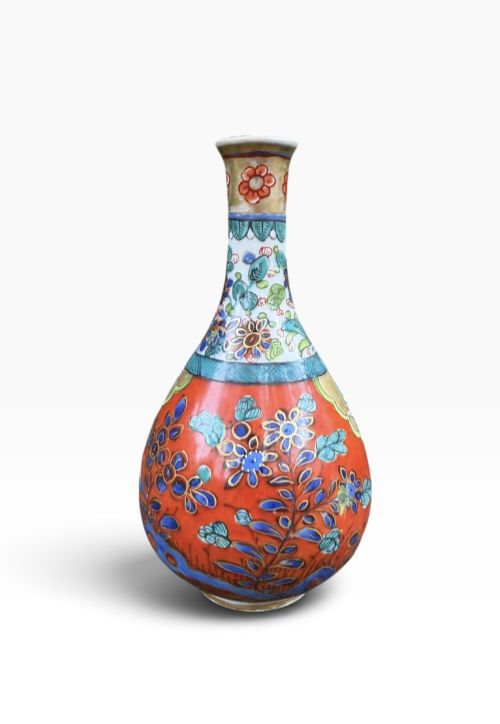
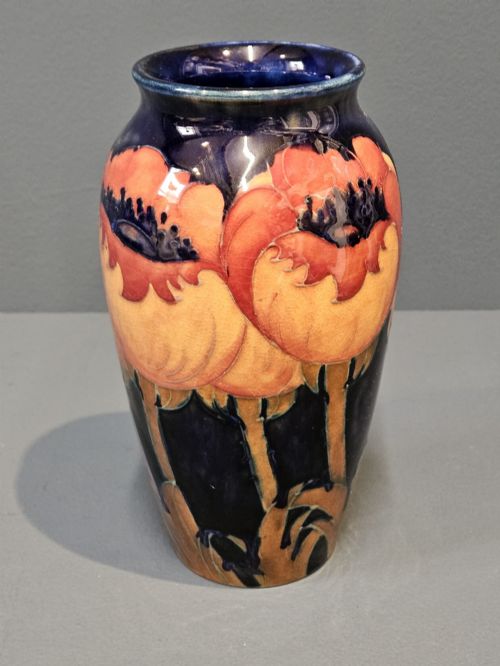
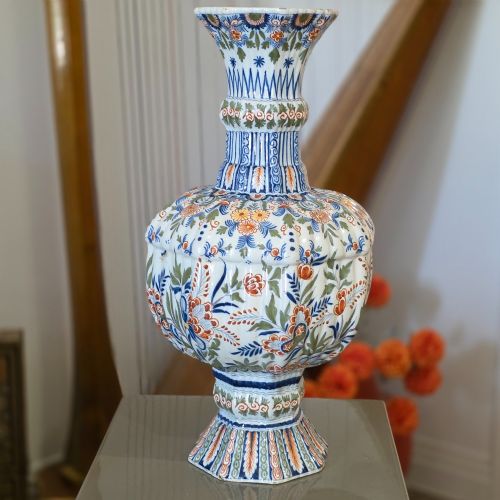
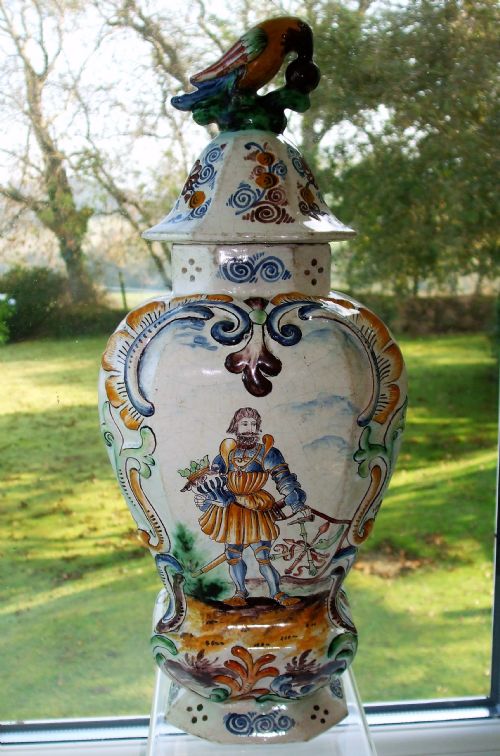
When you search for an orange glazed vase, you enter a field spanning several centuries of ceramic craft and distinct regional styles. The selections range from early Chinese porcelain and Dutch Delftware to later Japanese Kutani and twentieth-century British studio pottery.
You are most likely to encounter earthenware and porcelain vessels from the eighteenth century onward, reflecting shifts in kiln technology and global trade. Forms vary from lidded jars and shaped vases to large decorative items produced in Europe and Asia.
The aesthetic of an orange glazed vase depends heavily on its period of origin, shifting from traditional Dutch baroque polychrome patterns to bold Art Deco designs. Each piece carries the distinct palette of its maker, whether through tin glazes, lustre finishes, or vibrant enamel work.
Materials and construction
Makers shaped these vessels from ceramic, earthenware, and porcelain, applying specialist glazes to achieve durable surface colour. Techniques like tin-glazing and salt-glazing created smooth finishes suited to detailed hand-painted decoration.
Gold leaf and lustre applications appeared on later works, adding metallic sheen over the fired glaze surfaces. Kiln firing temperatures determined the depth of the finish, fixing pigments permanently into the body of the vase.
The inventory records pieces created under Chinese export traditions, Japanese Meiji aesthetics, and British studio pottery movements.
Assessing quality and execution
The distinction between standard production and superior work lies in the crispness of the painted detail and the evenness of the glaze application. Hand-thrown bodies show thoughtful consideration in their proportions and rim thickness.
Signatures, factory marks, and recorded provenance elevate certain pieces, demonstrating individual artistry rather than factory output. The control of the glaze during firing dictates whether the surface displays smooth consistency or distracting flaws.
Moorcroft·Drie klokken Factory·Richard Joyce·Charlotte Rhead·Gao Hengsheng
The Orange Glazed Vase Glossary
- Porcelain
- A hard, white ceramic material fired at high temperatures, known for its density and ringing tone when struck. It forms the base for many fine Asian and European vessels.
- Earthenware
- A porous pottery body fired at lower temperatures, requiring a glaze to achieve impermeability. This material underpins much historical Delftware and studio pottery.
- Tin-Glazed Earthenware
- Pottery coated with an opaque white glaze containing tin oxide, providing a smooth canvas for painted decoration. It is characteristic of traditional Dutch Delft production.
- Lustre
- A type of ceramic glaze containing metallic salts that produce an iridescent sheen upon second firing. This technique creates reflective surfaces seen in twentieth-century works.
- Polychrome
- Decoration employing several colours rather than a single tone, common in historical export wares and Delft pieces. Artists applied these pigments by hand before the final glaze firing.
Orange Glazed Vase: Frequently Asked Questions
Where were these pieces made?
The listings encompass items originating from European kilns in Britain and the Netherlands, alongside Asian works from China and Japan. Each region utilised local clays and distinct firing traditions.
European factories focused on tin-glazed earthenware and later twentieth-century studio techniques, while Asian workshops produced fine porcelain and Kutani wares for both domestic and export markets.
How can I date my vase?
Dating relies on examining the physical body, the type of glaze, and any factory marks or artist signatures present on the base. Stylistic cues such as Art Deco geometry or Meiji period motifs provide clear chronological markers.
Comparing the potting technique and crackle patterns in the glaze helps differentiate eighteenth-century items from twentieth-century revivals and studio pieces.
What styles are represented here?
The selection includes Dutch Baroque, Chinese Export, Japanese Imari, and Art Deco designs across various forms. These stylistic movements dictate the decorative motifs and colour palettes found on the pottery.
Collectors will find both traditional floral patterns and bold twentieth-century abstract designs reflecting the aesthetic priorities of their respective eras.