




Fluted Ceramic Vase
These fluted ceramic vase examples bring intricate glaze work and painted depth to a room, offering tactile structure for modern and period interiors alike.
Fluted Ceramic Vase
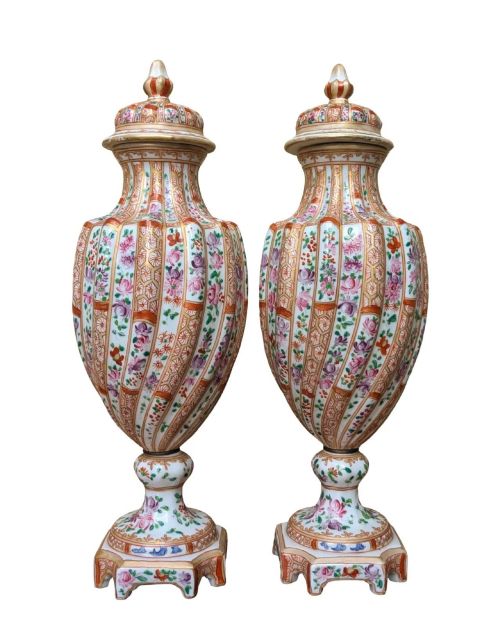
A fluted ceramic vase brings vertical ribbed or scalloped moulding to the body, creating dynamic shadow lines across the surface. When you search for this phrase, you encounter pieces spanning the late nineteenth century through the Edwardian period.
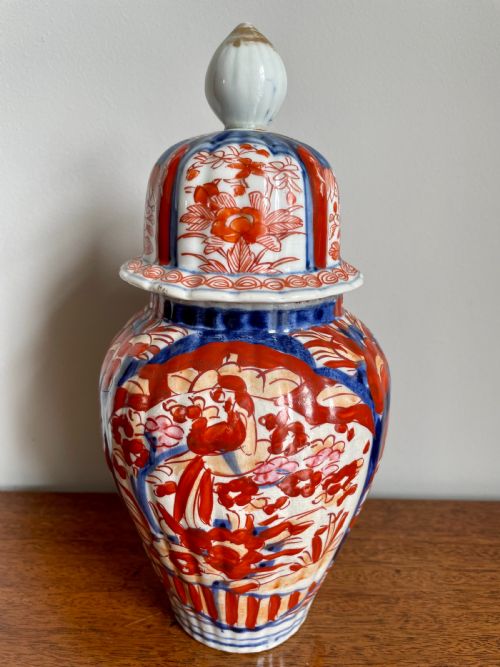
The selection here draws heavily on Japanese Imari export wares alongside French porcelain and Chinese celadon-glazed pieces. These vessels range from modest cabinet jars to monumental lidded pairs designed for floor placement or grand mantel displays.
Vases appear in various silhouettes, including flared necks, bottle forms, and shaped profiles. Many incorporate traditional handles, lids, and distinctive panel decorations that reflect their specific regional origins and period aesthetics.
Materials and construction methods
Potters shaped these vessels using fine earthenware and hard-paste porcelain before applying specialised glazes such as celadon or enamel. Surface decoration frequently integrates hand-painted pigments, delicate gilding, and gold leaf highlights.
Certain Japanese pieces combine traditional ceramic bodies with applied lacquer over dark painted finishes for added texture. Firing techniques across the nineteenth century produced dense, resonant ceramic structures capable of supporting intricate surface ornamentation.
Fluted Ceramic Vase Retail Price Guide 2026
Typical asking prices for fluted ceramic vase among the pieces listed under this phrase on Sellingantiques today, from the lower quarter to the upper quarter. They describe what is for sale here now, not the wider market.
Current listings feature porcelain, earthenware, and celadon glazes from the late nineteenth and early twentieth centuries, including Japanese export wares and French porcelain.
Assessing craftsmanship and execution
Quality reveals itself in the crispness of the fluting and the precision of the hand-painted details across the body. Superior examples maintain balance in their proportions and clean integration between the ceramic form and applied glazes.
Finer decorative pieces display expert control in multi-layered enamel work and gilding, where brushwork remains sharp and intentional. The consistency of the glaze application and the clarity of painted motifs distinguish standard production items from exceptional workshop output.
Samson of Paris
The Fluted Ceramic Vase Glossary
- Celadon Glaze
- A pale green jade-like glaze originating in historic China, prized for its subtle translucent finish. It results from iron oxide interacting within a reduction kiln firing.
- Imari
- A traditional style of Japanese export porcelain featuring deep cobalt blue and iron red underglaze painting, often enhanced with gold. Production centred on the town of Arita during the Edo period and beyond.
- Meiji Period
- The era in Japanese history spanning from eighteen sixty-eight to nineteen twelve, marked by extensive international trade and highly detailed decorative arts. Vases from this time showcase exceptional technical mastery.
- Earthenware
- Porous pottery fired at lower temperatures than porcelain, commonly glazed to ensure water tightness. It forms the structural base for various traditional decorative vessels.
- Fluted
- Having parallel vertical grooves or channels carved or moulded into the ceramic surface. This technique adds structural rigidity and visual rhythm to the profile of the vessel.
Fluted Ceramic Vase: Frequently Asked Questions
How do I style a large lidded vase?
These monumental vessels suit prominent freestanding locations such as entrance halls, wide hearths, or sturdy sideboards where their height commands attention.
Keep surrounding objects minimal to let the painted panels and fluted contours remain the primary visual focus of the space.
Are antique vases safe for fresh flowers?
Many nineteenth-century porcelain and glazed earthenware vessels hold water securely, but historical pieces require careful handling during use and cleaning.
Inspect the interior for any existing hairline fractures before filling, and avoid subjecting antique ceramics to rapid temperature changes.
How do I date a Japanese export vase?
Dating relies on stylistic markers, palette characteristics, and the historical context of trade periods like the Meiji era or late Edo production.
Examine the base for unglazed clay texture, potting weight, and the execution style of the painted motifs to determine the approximate decade.
What is the difference between Imari and Kutani wares?
Imari pieces typically combine cobalt blue and iron red with gold on a bright porcelain white ground, focusing on structured geometric and floral panels.
Kutani ceramics often utilise a wider, bolder colour palette dominated by rich greens and yellows, with expressive pictorial scenes across the body.