
Vintage Green Urn
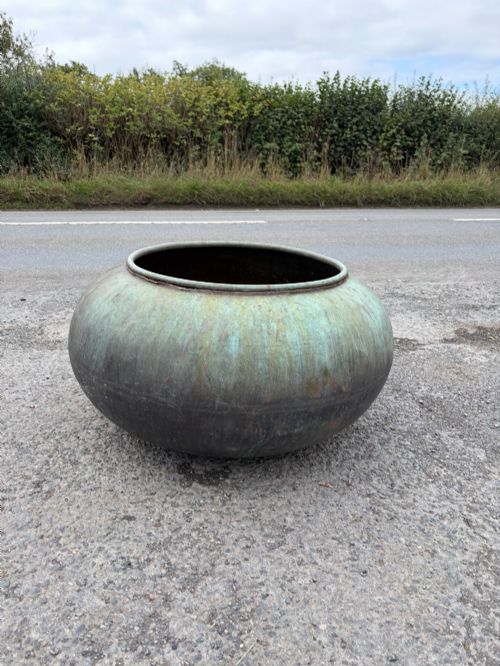
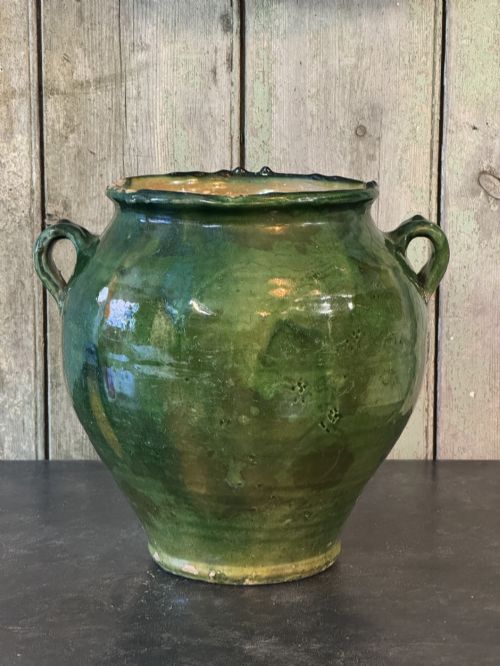
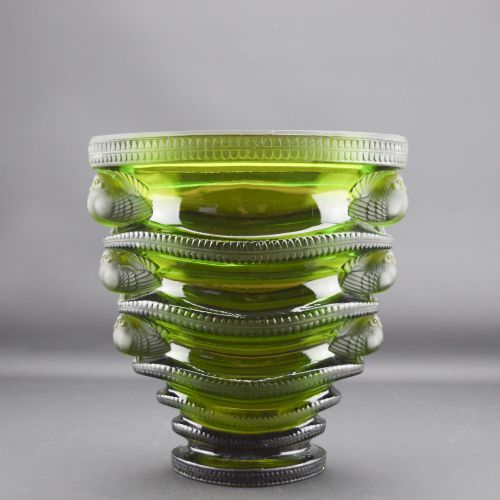
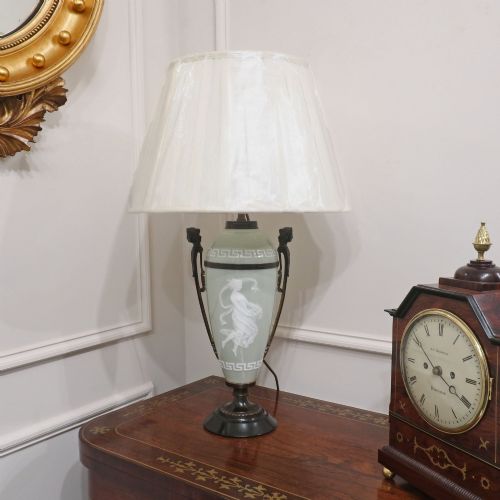
A vintage green urn brings rich colour and classical form to a room, spanning garden planters and glazed ceramic vessels.
Vintage Green Urn
When you search for a vintage green urn, you encounter a diverse selection of vessels spanning multiple centuries and European origins.
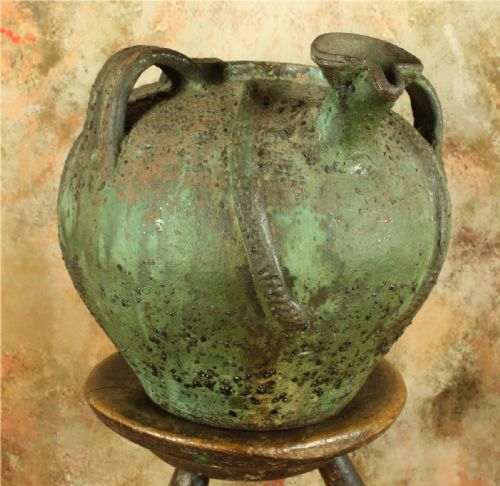
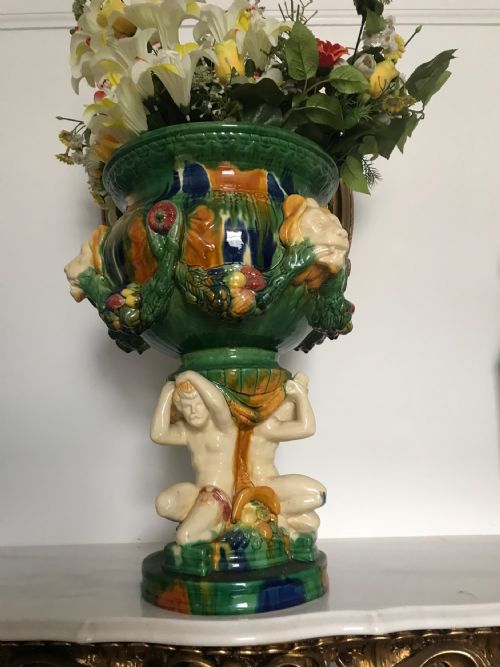
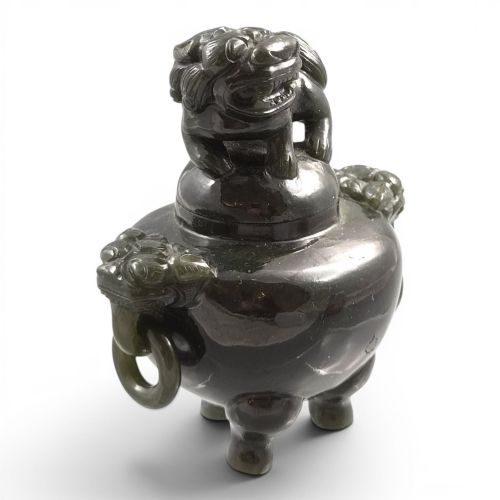
The objects take many forms, including French confit pots, majolica planters, garden ornaments, and decorative glass or porcelain vases.
Pieces from the nineteenth and early twentieth centuries dominate the selection, showing styles from Victorian and Edwardian to Art Nouveau and Art Deco.
How they were made
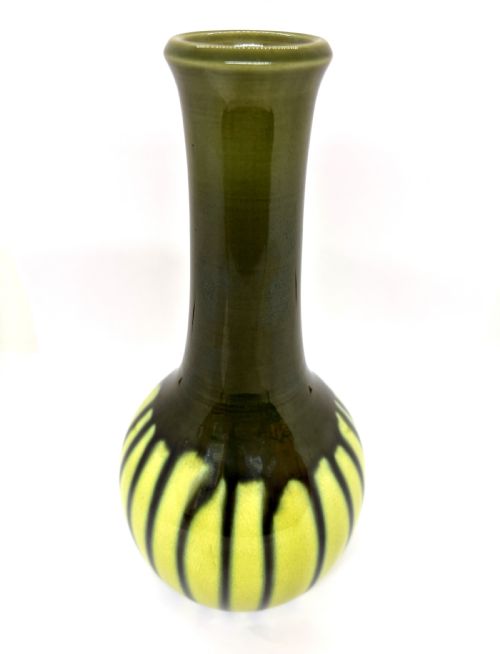
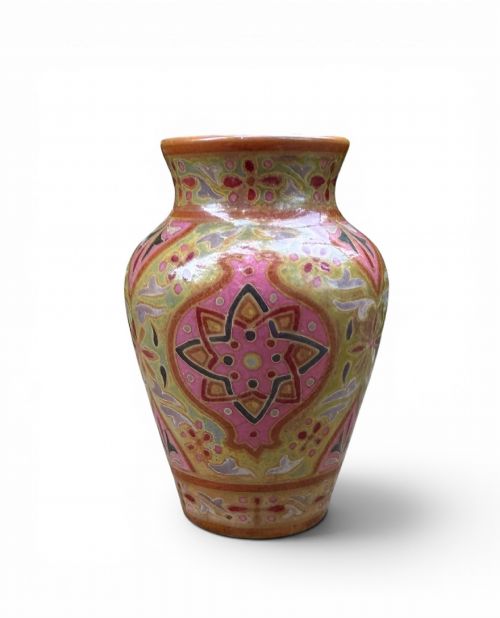
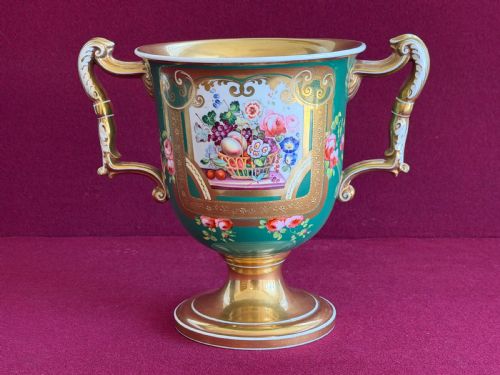
Pottery and ceramic items utilise earthenware, terracotta, or porcelain bodies finished with coloured glazes, drip glazes, or pate sur pate decoration.
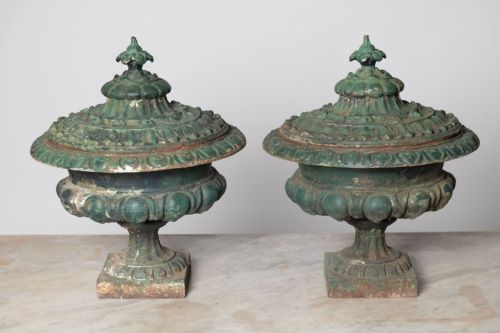
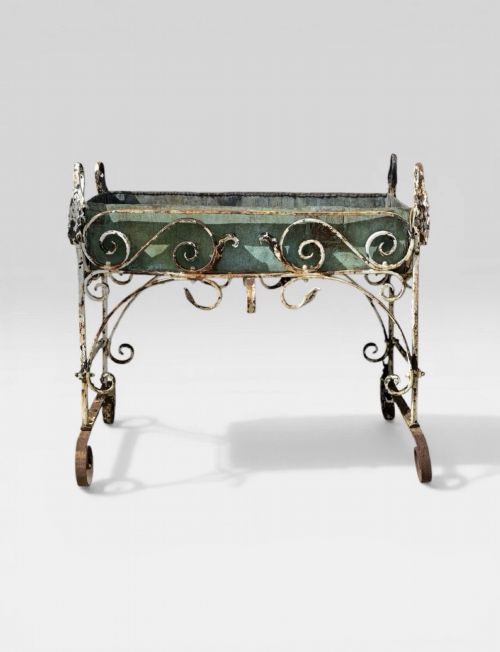
Metal examples employ cast iron, wrought iron, bronze, copper, and brass, often cast in moulds or hammered into shape for garden and interior use.
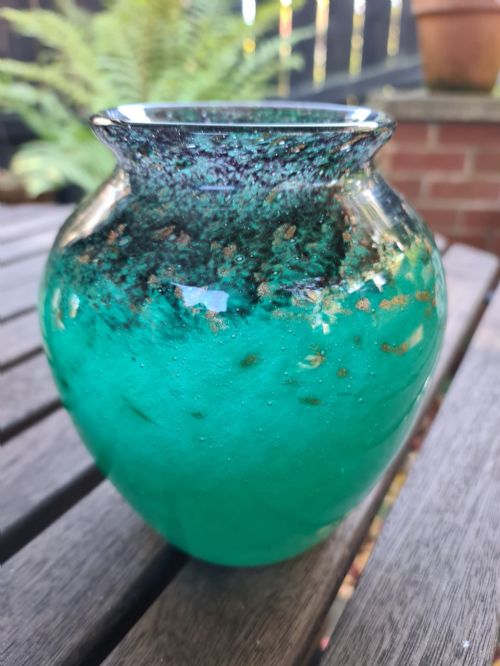
Glass pieces incorporate techniques such as aventurine inclusions, layered crystal, or lustred finishes achieved through specialised firing.
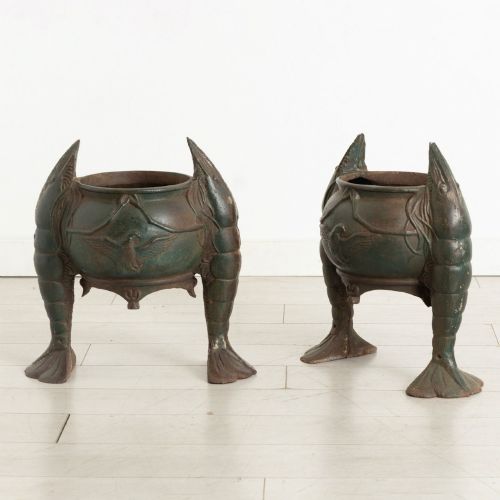
Several cast iron planters take the surprising botanical form of a shrimp.
What varies in quality
The distinction between standard production and superior craftsmanship rests in the depth of the glaze, the crispness of moulded relief, and the handling of materials.
Art pottery and glass works signed by notable designers or potteries display greater artistic ambition in colour blending and surface finish.
Structural integrity in heavy cast iron or bronze items depends on the original casting precision and the preservation of original surfaces.
Rene Lalique·Burmantoft's Pottery·Zsolnay Pecs·H and R Daniel·TG Green·Doulton Lambeth·Samuel Alcock and Co·Bretby·Royal Doulton·Julius Dressler·Ernst Wahliss
The Vintage Green Urn Glossary
- Confit pot
- A traditional French earthenware jar featuring handles and a glazed upper section, originally utilised for preserving food.
- Majolica
- A type of earthenware decorated with opaque coloured tin glazes, known for vibrant hues and moulded figural or botanical relief.
- Aventurine
- A glass containing suspended mineral particles that create a glittering metallic effect within the material.
- Pate sur pate
- A ceramic decoration technique where liquid clay is applied in successive layers to create a low relief cameo effect.
- Campana
- A classical vase shape resembling an inverted bell, frequently mounted on a pedestal base for garden or interior display.
Vintage Green Urn: Frequently Asked Questions
What is a vintage green urn used for?
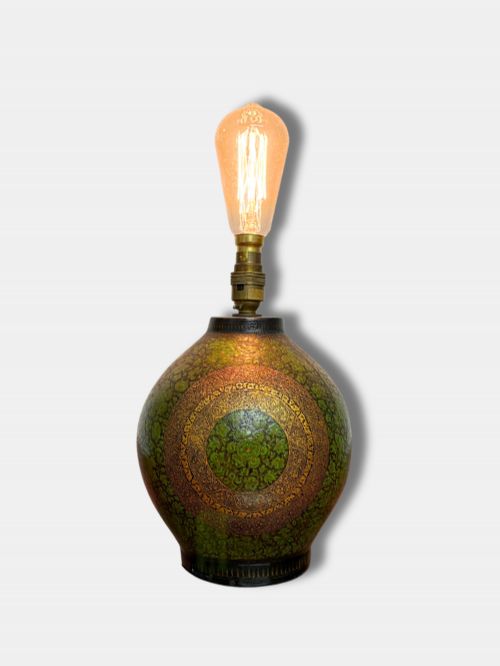
These vessels function as decorative interior objects, table lamps, or garden planters depending on their size and material.
Heavier cast iron and terracotta versions suit patios and gardens, while porcelain and glass examples ornament living spaces.
How do I date a vintage urn?
Dating relies on stylistic markers such as Victorian ornamentation, Art Nouveau botanical lines, or Art Deco geometric forms.
Maker marks, glaze types, and material construction further help place an object within the nineteenth or twentieth century.
Are these urns suitable for outdoor use?
Cast iron, terracotta, and stone planters are designed to withstand outdoor garden environments throughout the seasons.
Earthenware, glass, and porcelain pieces remain better suited for indoor display to protect delicate glazes.
How should I clean a glazed ceramic urn?
Dusting with a dry cloth generally suffices for maintaining the surface of antique ceramics and glass.
Harsh chemical cleaners should be avoided to prevent damage to historic glazes and delicate patinas.