


Chinese Figural Ceramic Vases
These Chinese figural ceramic vases bring centuries of narrative tradition and skilled hand-painting directly into your home.
Chinese Figural Ceramic Vases
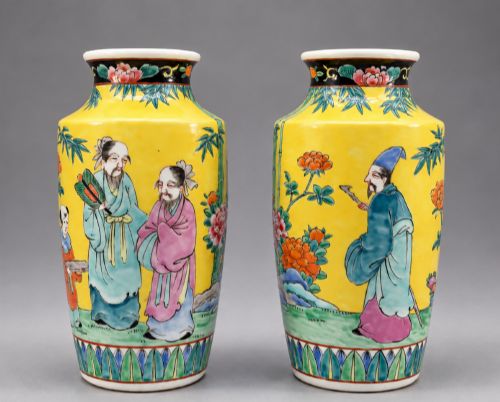
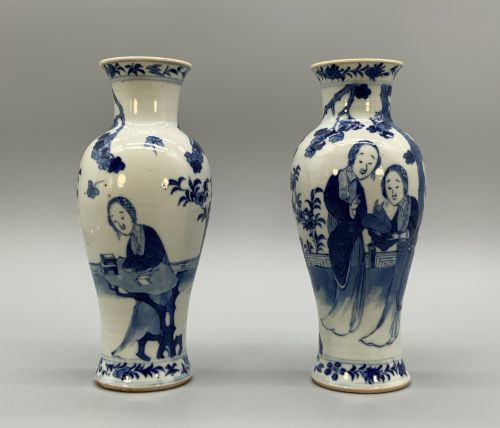
Chinese figural ceramic vases capture human stories, scholarly scenes and traditional figures across porcelain and stoneware. The pieces available here span the nineteenth century and the early twentieth-century Republic period, showcasing forms like baluster vases, ginger jars and brush pots.
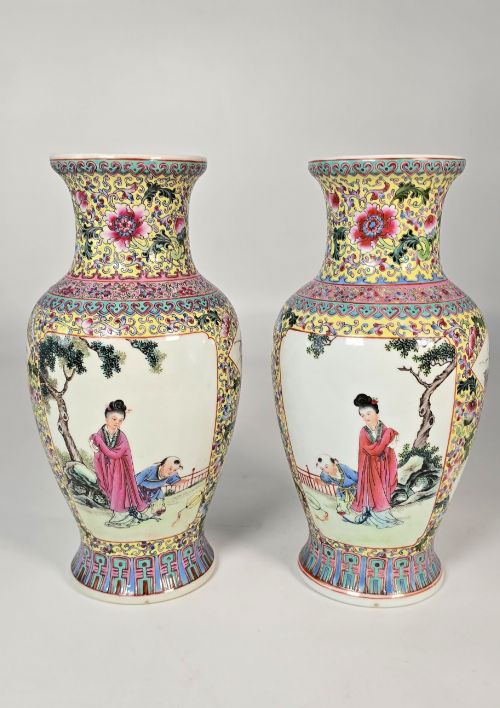
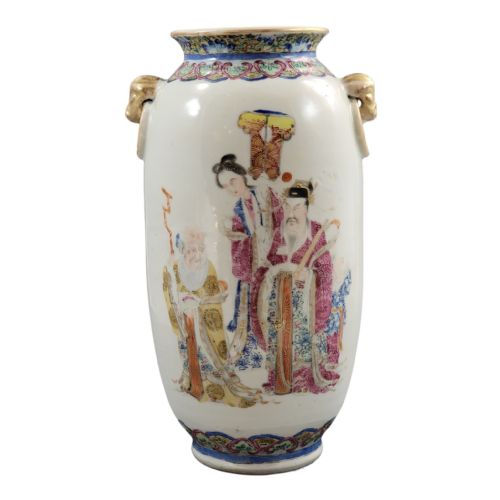
Makers utilised traditional styles including Kangxi and Qing Dynasty designs alongside later Chinoiserie interpretations. Most items feature hand-painted details depicting scholars, officials and ladies in detailed narrative settings.
Buyers seeking these works will encounter both blue and white porcelain and colourful famille rose palettes. The selection balances decorative ginger jars with substantial table lamps adapted from earlier ceramic vessels.
Materials and Techniques
These vessels rely fundamentally on high-fired porcelain and stoneware bodies shaped on the potter's wheel or in moulds. Artisans applied cobalt blue underglaze pigments or polychrome enamel paints by hand before secondary firing.
Many nineteenth-century examples incorporate applied metalwork such as brass mounts or gilt bronze additions for structural support and display enhancement. Crackleware glazes and specialised yellow-glazed finishes further distinguish the surface textures.
Hotei grins from his yellow-glazed stoneware perch, keeping watch over centuries of scholars and court ladies.
Judging Quality
Quality rests in the precision and fluidity of the hand-painted brushwork across the figural scenes and background details. Superior examples display crisp facial expressions and harmonious compositions rather than hasty, mechanical execution.
The clarity of the glaze and the stability of the ceramic body also determine the standing of each piece. Additional elements like four-character base marks or carefully fitted metal mounts contribute to the distinction of finer items.
The Chinese Figural Ceramic Vases Glossary
- Famille Rose
- A prominent palette of opaque pink and rose enamels introduced during the Qing dynasty. This technique allowed for subtle tonal gradations in figural robes and floral motifs.
- Baluster Vase
- A tall vase form characterised by a curved body swelling near the base and a narrower neck. This classic shape provides an expansive canvas for narrative scenes.
- Bitong
- A cylindrical brush pot used by scholars for holding writing implements. These items frequently share the figural decorative schemes found on companion vases.
- Crackelware
- Pottery featuring a network of fine cracks intentionally created in the glaze layer during cooling. It offers a distinct tactile and visual texture across the ceramic surface.
Chinese Figural Ceramic Vases: Frequently Asked Questions
How do I identify a Qing dynasty vase?
Look for specific stylistic markers such as famille rose or blue and white painting traditions, alongside traditional figural subject matter like scholars and court ladies. Many pieces also carry period-appropriate reign or four-character marks on the base.
Context from nineteenth-century manufacturing techniques further helps date the porcelain body and the characteristics of the hand-applied glaze.
Were these vases used as lamps?
Some pieces were adapted into table lamps during the nineteenth or twentieth centuries, incorporating brass or gilt bronze mounts to secure electrical fittings. These conversions often preserved the original ceramic body while altering its functional purpose.
Original vase forms remain alongside these lamp adaptations within the current selection.
What is the difference between ginger jars and baluster vases?
Ginger jars typically feature a broad, rounded body with a wide mouth, originally designed for storing spices or preserved goods before becoming purely decorative items. Baluster vases possess a more pronounced swelling lower section tapering toward a distinct neck.
Both forms serve as primary canvases for detailed hand-painted figural narratives.
How should I clean my ceramic vase?
Dust the surface gently with a soft, dry cloth to remove everyday particles without disturbing the enamel or glaze. Avoid using chemical cleaners, abrasive sponges or excessive water, especially on pieces with metal mounts or hand-painted enamels.
Regular, careful maintenance preserves the integrity of both the ceramic body and the delicate decorative pigments.