


Hand Painted Oriental Vases
These hand painted oriental vases span centuries of Japanese and Chinese craftsmanship, offering striking focal points for traditional and modern interiors alike.
Hand Painted Oriental Vases
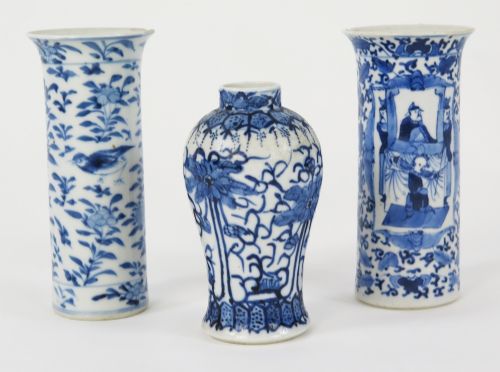
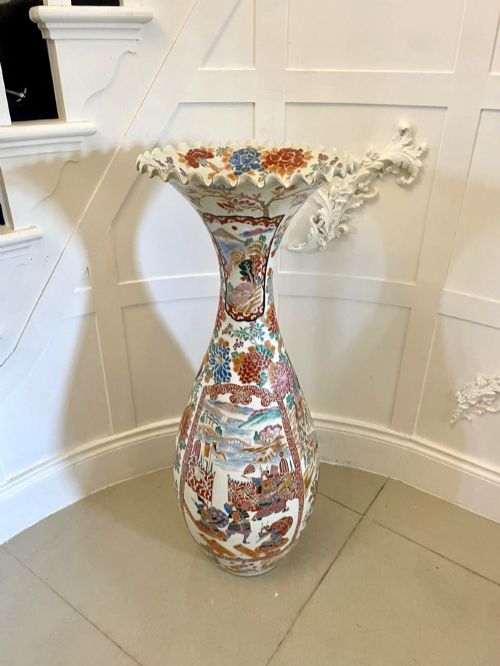
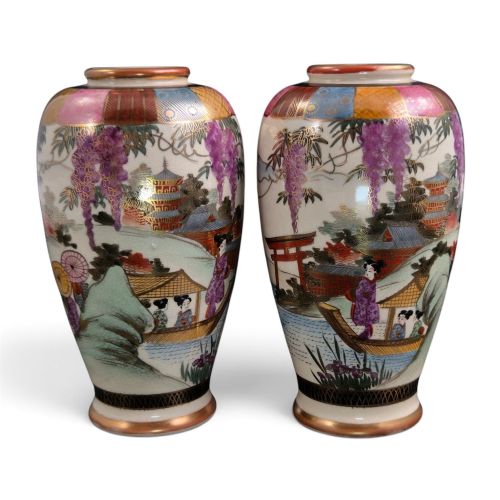
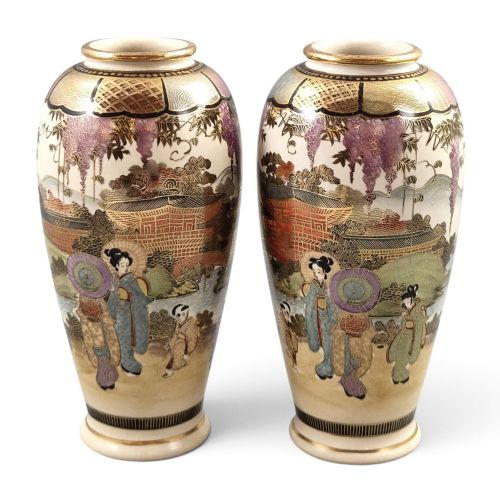
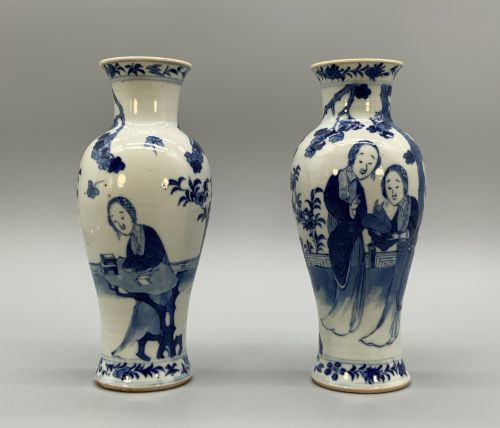
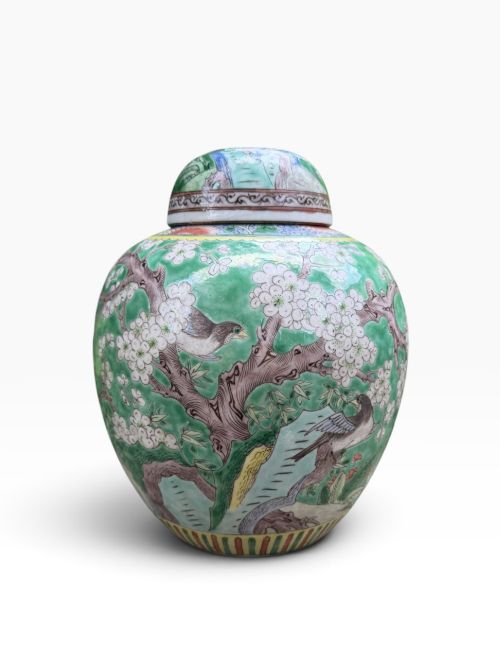
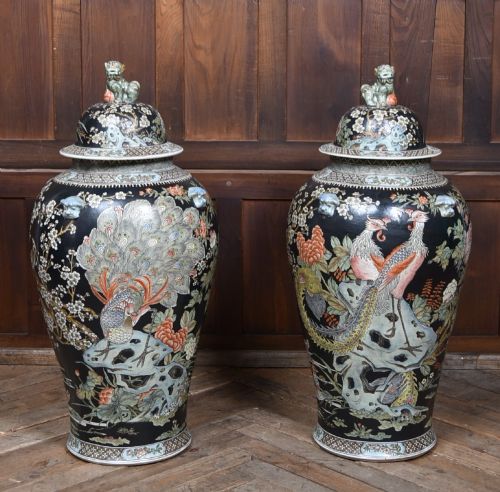
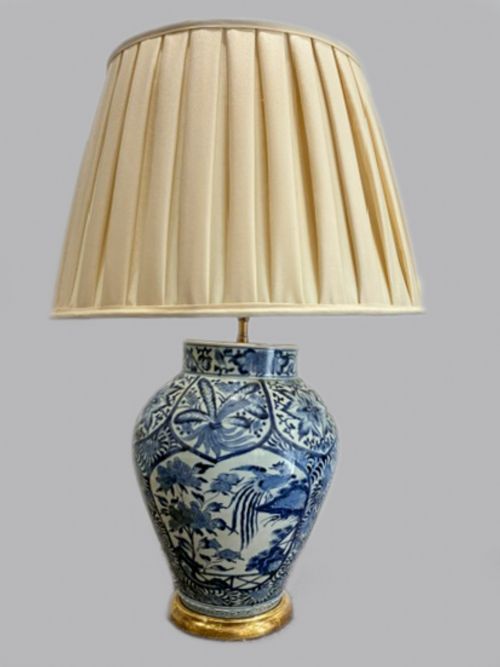
Hand painted oriental vases encompass a diverse selection of ceramic vessels originating from Chinese and Japanese traditions across the seventeenth to twentieth centuries. When searching this phrase, buyers encounter everything from monumental floor-standing jars to delicate ginger jars, moon flasks, and pieces later converted into table lamps.
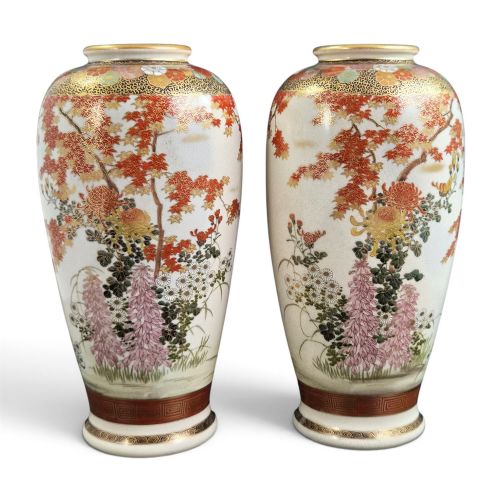
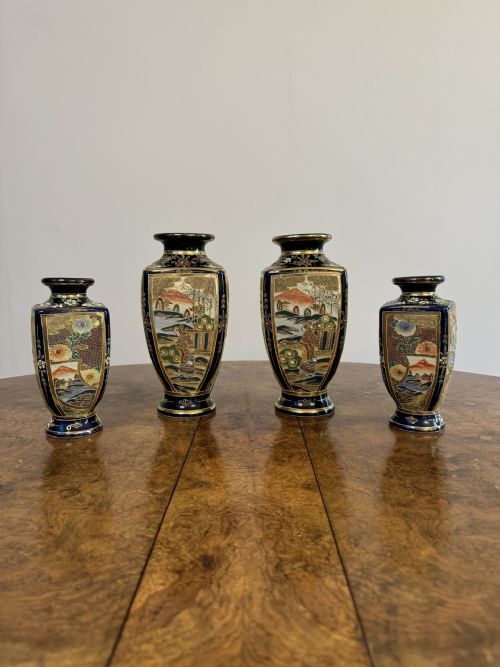
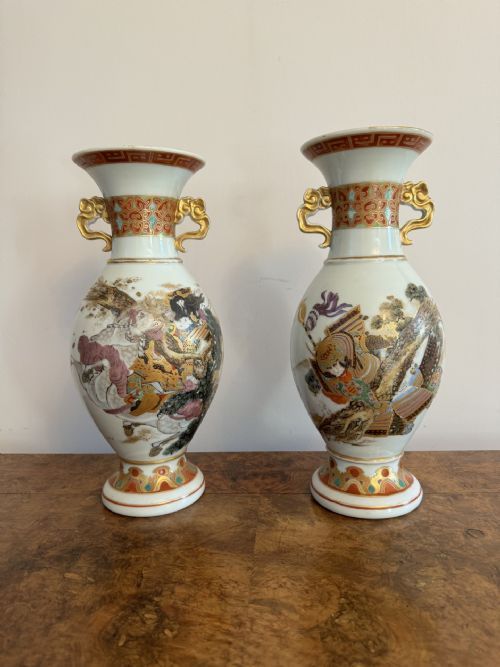
The selection frequently highlights wares created during the Meiji and Qing periods, alongside regional styles such as Japanese Imari, Satsuma, and Kutani. Forms range from compact ginger jars with covers to imposing floor vases standing several feet high, often accompanied by original hardwood stands.
How they were made
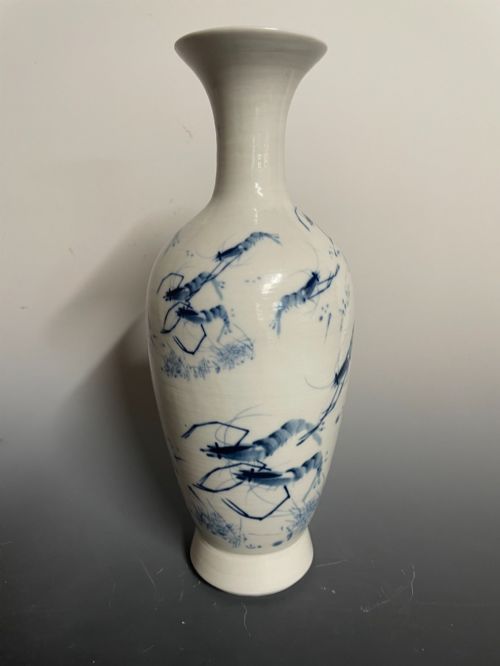
Artisans shaped these vessels from ceramic, earthenware, and porcelain before applying detailed hand-painted designs using rich enamel pigments and underglaze blue. Many examples incorporate gold leaf, gilt highlights, and intricate glaze work to accentuate the pictorial scenes.
Firing techniques varied across kilns in China and Japan, producing smooth porcelain bodies alongside denser earthenware bases. Secondary materials like carved wood appear in stands designed to support heavier palace jars and moon flasks.
Listings feature porcelain, earthenware, enamel, and gold leaf across diverse forms including ginger jars, moon flasks, and table lamps.
What varies in quality
The standard of a painted vase rests upon the precision and complexity of the brushwork across figures, landscapes, birds, and floral motifs. Finer examples display meticulous control in multi-coloured enamel palettes and carefully applied gold leaf.
Proportion and scale also dictate distinction, particularly in large floor vases and garniture sets where symmetry across multiple matching vessels requires exceptional skill from the potter and painter.
Maruni Kobe·Shozan
The Hand Painted Oriental Vases Glossary
- Imari
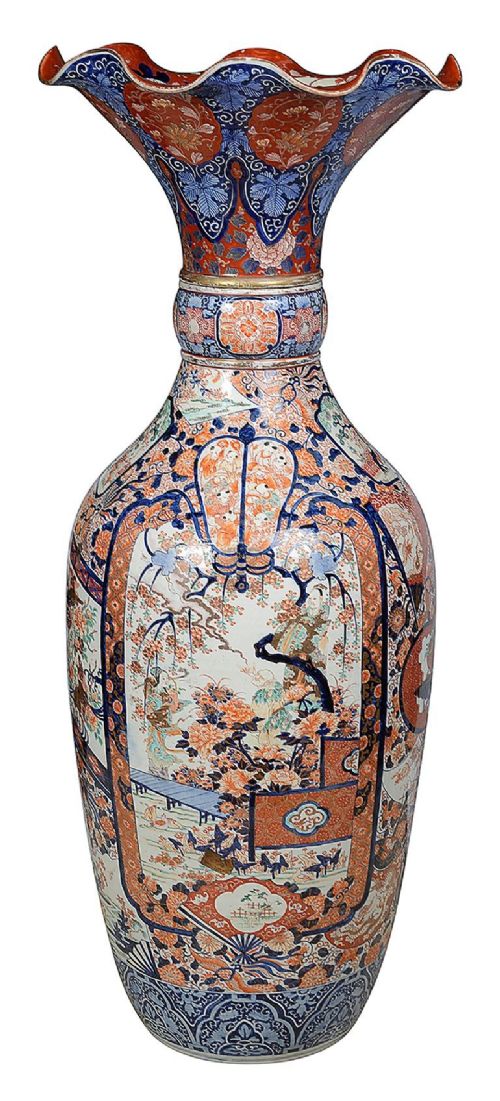
- A style of Japanese porcelain featuring a distinctive palette of underglaze blue, iron red, and gilt. It originated in the town of Arita and gained immense popularity in Europe during the export trade.
- Satsuma
- Earthenware pottery originating from the Satsuma province in Japan, characterised by a crackle-glaze finish and ornate polychrome and gilt decorations depicting figures and landscapes.
- Famille Rose
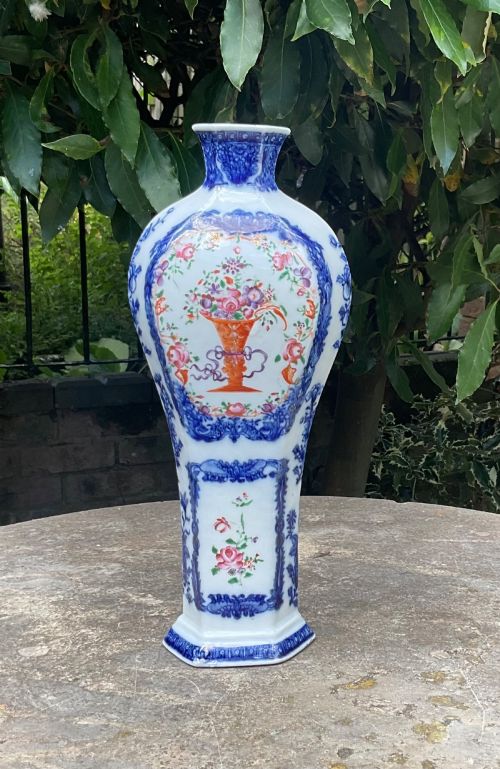
- A major palette of Chinese ceramic enamels introduced during the Qing dynasty, dominated by opaque pink or rose colours. The style depicts elaborate scenes of birds, flowers, and courtly figures.
- Ginger Jar
- A high-shouldered ceramic vessel originally designed to store spices and herbs in ancient China. These covered jars became popular decorative objects in Western interiors during later centuries.
- Kutani
- Japanese porcelain and pottery produced in Ishikawa prefecture, known for bold designs and vibrant colour schemes often featuring greens, blues, purples, and extensive gold.
Hand Painted Oriental Vases: Frequently Asked Questions
How do I date an antique oriental vase?
Dating relies on examining the ceramic body, glaze characteristics, and stylistic markers tied to specific dynasties or Japanese periods like Meiji or Qing. Reign marks and workshop signatures provide further chronological clues.
Changes in pigment composition and manufacturing techniques also help distinguish eighteenth-century wares from later nineteenth and twentieth-century interpretations.
Were these vases made for export?
Many oriental vases from the nineteenth century onward were produced specifically for international trade markets in Europe and America. These pieces often combined traditional domestic motifs with forms that appealed to Western tastes.
Export wares included large floor vases, garniture sets, and vessels later adapted into table lamps for Victorian and Edwardian homes.
What is the difference between Imari and Satsuma?
Imari wares are hard-paste porcelains decorated primarily in underglaze blue, iron red, and gold, featuring crisp geometric and floral patterns. They offer a durable structure and a bright, glossy finish.
Satsuma wares are earthenware bodies covered in a distinctive creamy crackle glaze, painted with intricate figural scenes and heavy gilt detailing that requires careful handling.
How should I display a floor vase?
Large floor vases and palace jars command attention when placed in open hallways, entrance foyers, or spacious reception rooms. They function best as standalone architectural elements.
To protect the ceramic body and any original wooden stands, position them away from high-traffic pathways and direct sunlight.