


Traditional Imari China
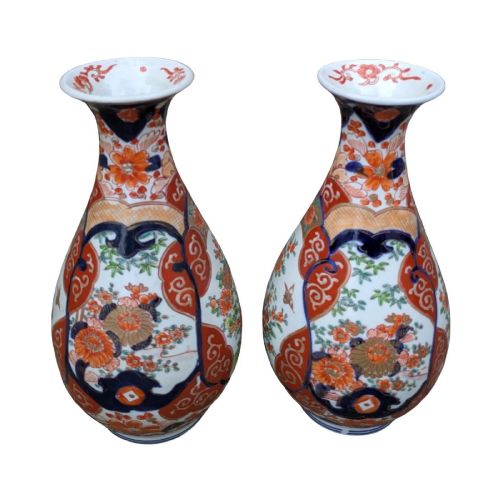
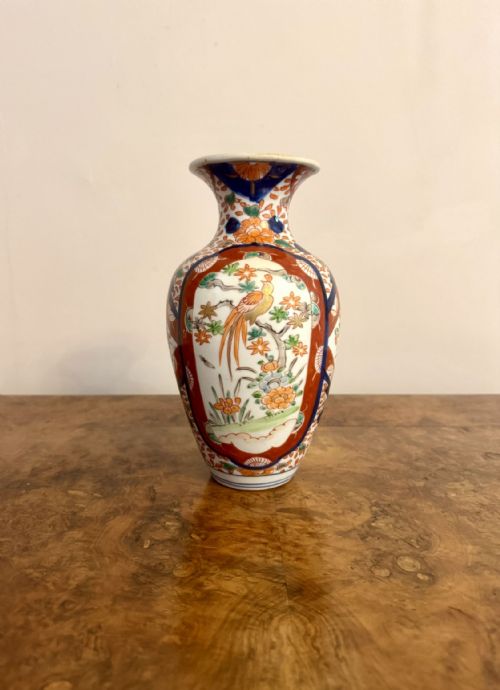
Traditional imari china brings striking palettes of cobalt blue and iron red into rooms, offering dense patterns rooted in centuries of ceramic design.
Traditional Imari China
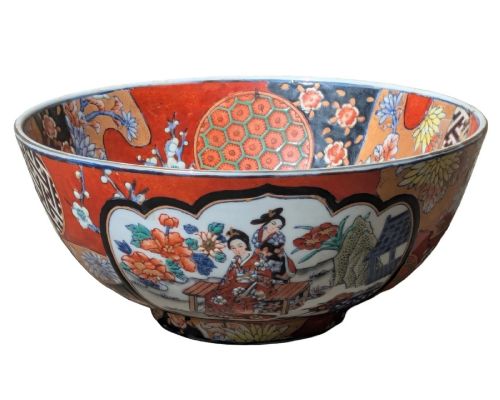
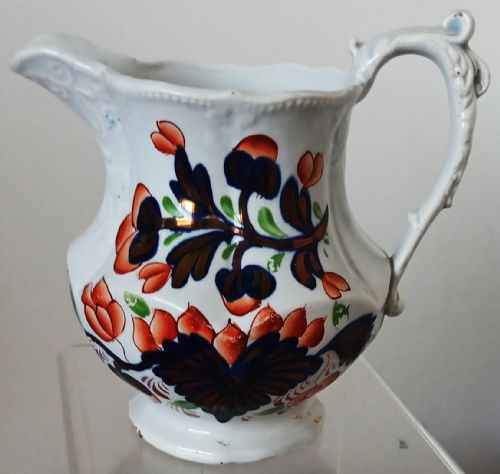
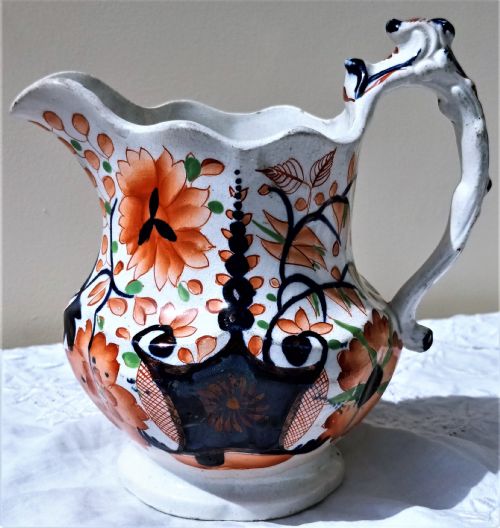
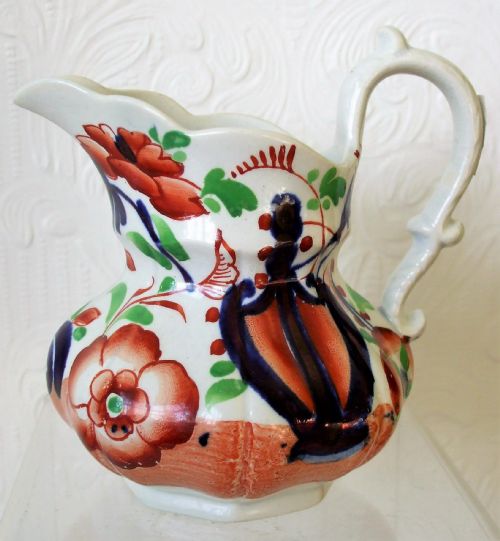
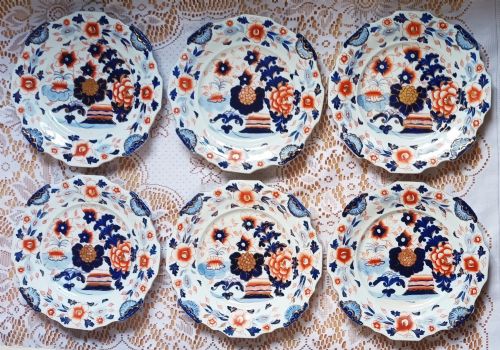
When you search for traditional imari china, you encounter objects spanning the nineteenth and early twentieth centuries, including decorative plates, chargers, vases, and complete tea services. Japanese imari porcelain pieces share space with English interpretations like Gaudy Welsh pottery, Masons ironstone, and Royal Crown Derby porcelain.
The forms vary widely from large display platters and shaped dishes to utilitarian jugs and basin sets. Most examples on this page date from the Victorian era up to the 1930s, showing both imported Far Eastern craftsmanship and domestic British adaptations.
How traditional imari china was made
Makers utilised hard-wearing ceramic bodies such as porcelain, bone china, ironstone, and earthenware as the foundation for these vessels. Potters shaped these materials into robust plates, vases, and jugs intended for daily use or display.
Decorators applied underglaze cobalt blue alongside vibrant overglaze enamel colours, frequently highlighting details with gold leaf. Firing fixed these pigments into the glaze, producing durable surfaces with rich tonal contrast.
Some nineteenth-century makers packed so much red enamel onto a single plate that it practically vibrates against the blue.
What varies in quality
The precision of the hand-painted brushwork dictates visual success, separating tightly controlled floral and architectural motifs from hasty application. Cobalt lines that remain crisp beneath clear glaze contribute heavily to a piece's visual impact.
The richness and depth of the iron red enamel, combined with the intact preservation of gold leaf accents, signal superior workshop execution. Heavier ceramic bodies like ironstone and porcelain also display differing degrees of potting refinement in their moulding and finish.
Royal Crown Derby·Masons Ironstone
The Traditional Imari China Glossary
- Imari
- A style of ceramic decoration originating in Japan, characterised by a palette of cobalt blue, iron red, and gold.
- Ironstone
- A heavy, durable type of earthenware patented in the nineteenth century to imitate porcelain.
- Gaudy Welsh
- A nineteenth-century pottery style featuring bright cobalt, copper lustre, and iron red motifs inspired by imari patterns.
- Charger
- A large ornamental plate intended for display rather than service at the table.
- Underglaze
- Pigment applied to a ceramic body before the glaze is fired, protecting the colour from wear.
Traditional Imari China: Frequently Asked Questions
Can I use these plates for serving food?
Many of these plates and chargers are sturdy enough for occasional dining, particularly ironstone and bone china variants. Consider the presence of worn gold leaf or delicate enamel before serving acidic or greasy foods.
Displaying them on walls or stands protects the surface decoration from cutlery marks and modern cleaning agents. Many collectors prefer to enjoy them purely as decorative objects.
How do I tell Japanese imari from English imari?
Japanese examples usually feature fine porcelain bodies with dense cobalt and iron red designs, often depicting natural scenes or traditional motifs. English versions frequently employ ironstone, earthenware, or bone china with interpretations like the Pagoda or Japan patterns.
Inspect the foot ring and weight of the piece to understand its material composition. Maker marks on the underside often confirm British production.
What is the difference between ironstone and porcelain?
Ironstone is a dense, opaque earthenware developed to resist chipping, making it heavier and thicker than porcelain. Porcelain is vitrified, highly refined, and sometimes translucent when held to the light.
Both materials hold imari enamel decorations successfully, but they feel distinct in the hand. Ironstone offers robust utility while porcelain provides a finer, more delicate profile.