



Chinese Porcelain Baluster Vase
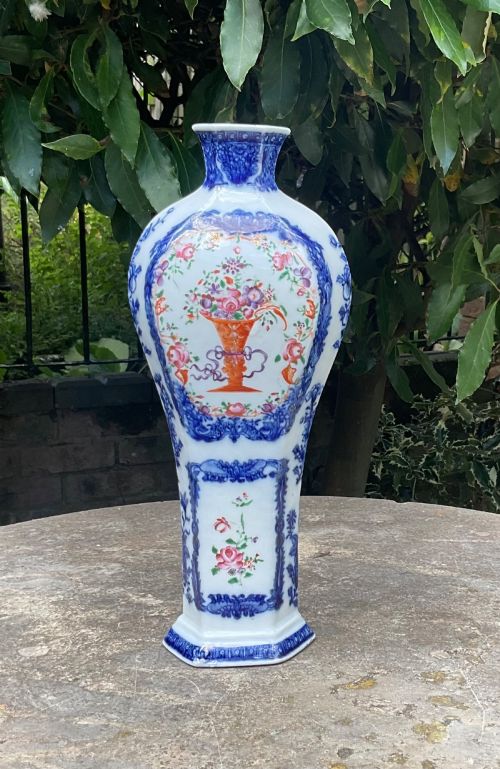
A chinese porcelain baluster vase stands with a rounded body rising to a waisted neck, bringing centuries of kiln artistry into a modern room.
Chinese Porcelain Baluster Vase
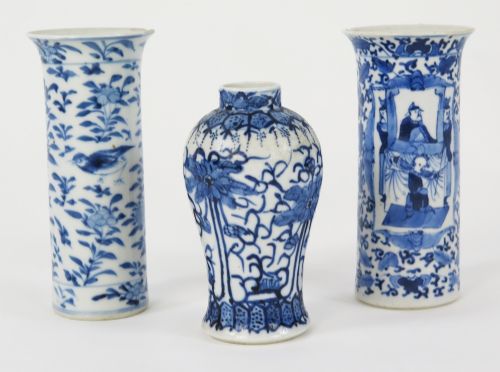
A chinese porcelain baluster vase displays a distinctive silhouette derived from the shape of an ancient bronze ritual vessel, featuring a broad shoulder that tapers smoothly toward the base. Buyers encounter these pieces primarily in nineteenth-century Qing dynasty interpretations, alongside earlier eighteenth-century designs and later republican period examples.
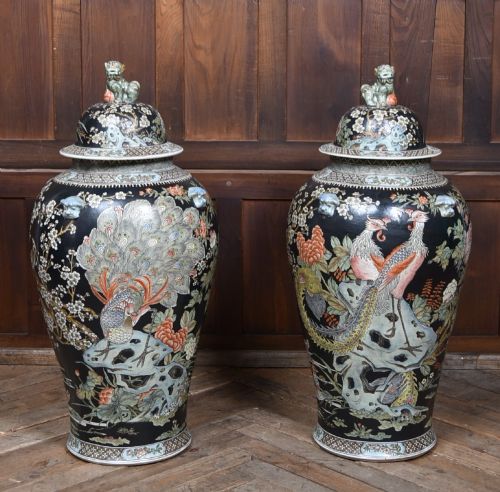
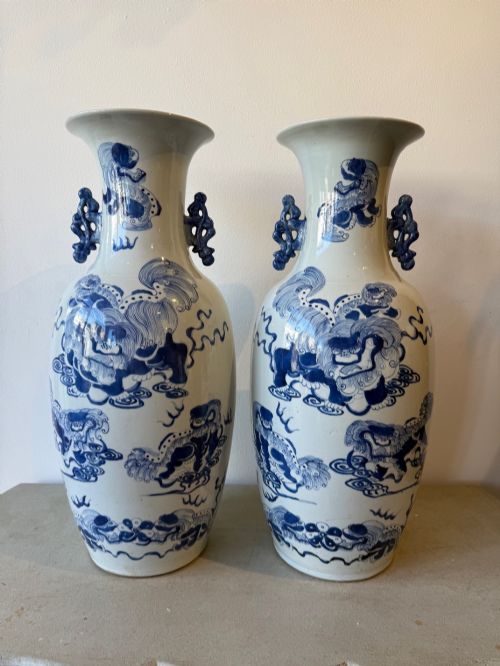
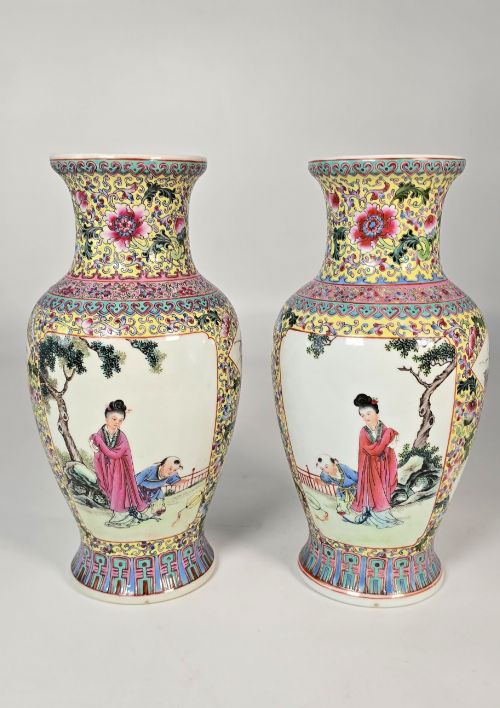
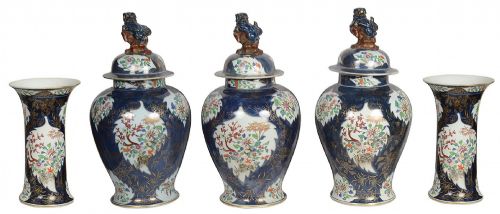
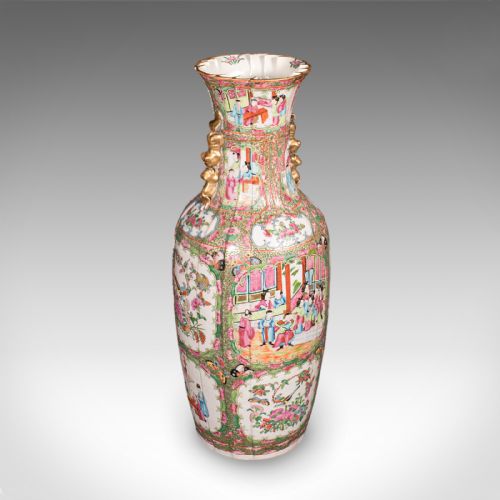
The selection ranges from monumental floor jars and covered garnitures to smaller display vessels, with many historic pieces having been converted into table lamps using brass or ormolu mounts. Blue and white porcelain, Canton famille rose, and polychrome enamel decoration dominate the forms recorded in both current listings and archive records.
These items function as focal points in traditional and contemporary interiors alike, serving as standalone centrepieces or paired arrangements. The category spans straightforward domestic ceramics and ambitious scholar's retreat pieces bearing reign marks from Kangxi or Yongzheng periods.
Materials and Manufacture
Potters shaped high-fired porcelain clay on the wheel or pressed it into moulds to achieve the characteristic curved silhouette of a chinese porcelain baluster vase, applying mineral pigments beneath the glaze or over the fired surface. Cobalt provided the deep blue tones for underglaze painting, while complex lead-based enamels contributed the vibrant pinks, greens, and yellows seen in famille rose and famille verte palettes.
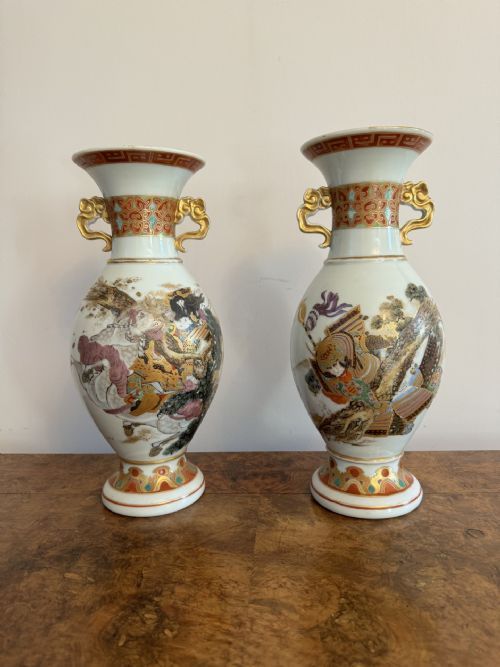
Gilding and gold leaf often highlighted the rim details, handles, and panel borders, adding a reflective layer to the polychrome scenes. Later European adaptations incorporated brass ormolu mounts to secure electrical fittings when these vessels were transformed into table lamps.
Some nineteenth-century decorators repurposed grand temple jars into stately floor lamps, giving ancient pottery a surprisingly bright second career.
Assessing Quality and Execution
The distinction between standard commercial output and superior craftsmanship lies in the precision of the hand-painted brushwork and the clarity of the porcelain body. Finer examples display meticulous control over delicate facial expressions in figurative scenes, crisp botanical rendering, and well-balanced geometric or floral banding.
The depth and brilliance of the enamel colours, alongside the evenness of the glaze application without excessive pitting or clouding, separate ambitious workshop productions from ordinary items. The integration of metal mounts on converted lamp bases also indicates the care taken during historic domestic alterations.
The Chinese Porcelain Baluster Vase Glossary
- Baluster
- A vase shape characterised by a rounded lower body and a narrower, flared neck resembling a classical architectural column support.
- Famille Rose
- A ceramic palette dominated by an opaque pink enamel introduced during the Qing dynasty, allowing for soft shaded pictorial designs.
- Famille Verte
- A transparent green-dominated enamel palette used to create vibrant multi-coloured patterns on porcelain bodies.
- Canton
- A style of export porcelain decorated in southern China featuring crowded panels of figures, birds, flowers, and butterflies.
- Garniture
- A set of matching vases and jars designed to be displayed together on a mantelpiece or cabinet top.
Chinese Porcelain Baluster Vase: Frequently Asked Questions
How do I date a Chinese porcelain baluster vase?
Dating relies on stylistic clues, glaze characteristics, and potting techniques rather than reign marks alone, which were frequently copied out of respect for earlier eras. Nineteenth-century examples often display heavier porcelain bodies and brighter, more saturated enamels compared to eighteenth-century counterparts.
Examining the foot rim and the wear patterns on the base provides further physical evidence of age. Comparing the decorative palette against known production periods helps narrow down the decade of manufacture.
Were these vases originally made as lamps?
Most historic pieces started life as decorative display vessels, floor jars, or covered temple containers before being converted into table lighting in the nineteenth or twentieth century. Ormolu or brass mounts were frequently added by European workshops to secure electrical components without permanently damaging the ceramic body.
Collectors appreciate both untouched display vases and well-mounted lamp conversions as valid chapters in the history of these objects. The presence of metalwork often reflects how previous generations chose to live with and enjoy antique ceramics in domestic settings.
What is the difference between famille rose and famille verte?
Famille rose relies on an opaque pink or carmine enamel derived from gold, which enabled artists to paint soft tonal gradations on the porcelain surface. This palette emerged during the eighteenth century and remained popular throughout the Qing dynasty.
Famille verte uses transparent green as the predominant colour, supported by iron red, yellow, and blue enamels in brighter, more contrasting compositions. The visual weight of a piece shifts depending on which dominant palette the kiln artists employed.
How should I clean an antique porcelain vase?
Dusting with a soft, dry microfibre cloth removes surface particles safely without risking delicate overglaze enamels or exposed gilding. Water and harsh chemical cleaning solutions should be avoided, particularly on pieces with dry-fired or unglazed areas.
If the vase has been converted into a lamp, ensure the electrical components are kept completely dry during maintenance. Gentle handling prevents accidental chipping of historic rims and handles.