




Antique Oriental Vase Decor
Antique oriental vase decor brings together porcelain, bronze, and cloisonne vessels from Qing Dynasty China and Meiji Period Japan to anchor a room.
Antique Oriental Vase Decor
When you search for antique oriental vase decor, you encounter vessels shaped as balusters, bottles, and jars originating from East Asian kilns and workshops. These items span the eighteenth, nineteenth, and early twentieth centuries, encompassing both Chinese export items and Japanese decorative ceramics made for domestic and international markets.
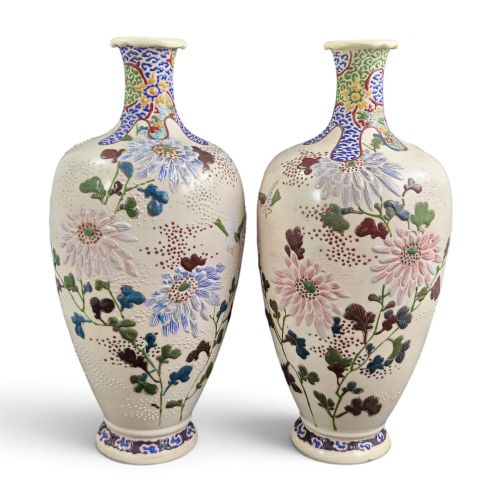
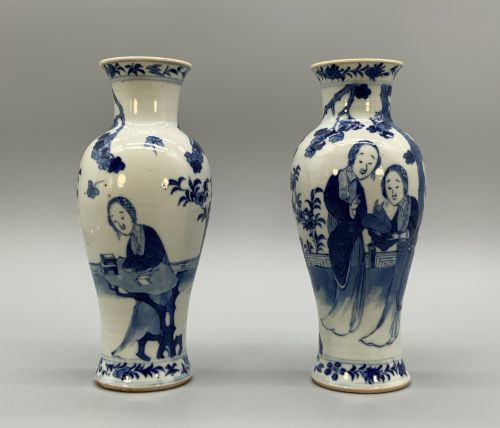
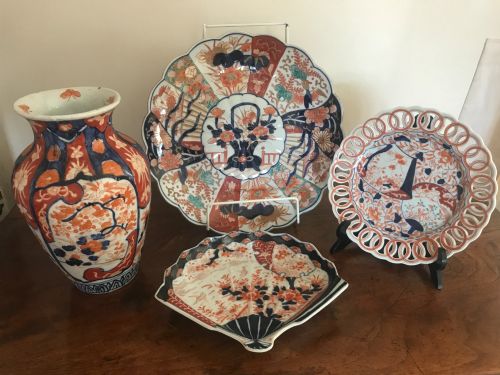
The most common examples on this page are Japanese Imari porcelain vases and pairs of Satsuma earthenware vessels from the Meiji period. Alongside these, you find Chinese blue and white porcelain, cinnabar lacquer, and bronze or copper-alloy pieces carrying traditional motifs like dragons and immortals.
How these pieces were made
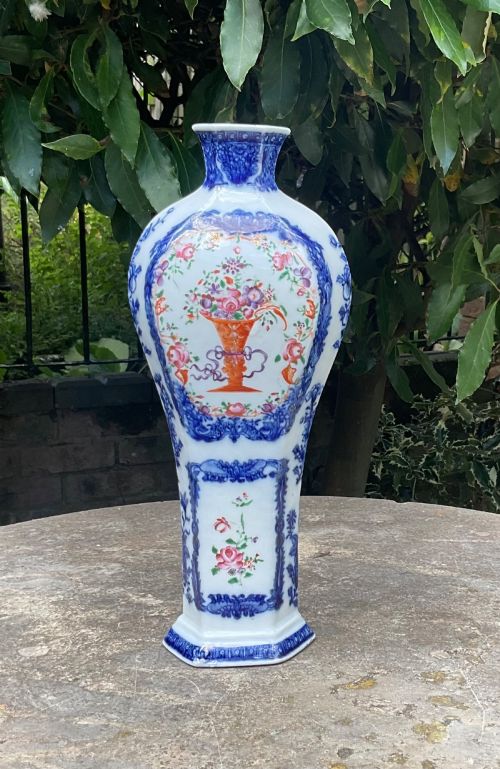
Potters and artisans shaped these items using porcelain, earthenware, and bronze, applying glazes, enamel, and gold leaf to decorate the surfaces. Japanese Imari pieces combine underglaze blue with iron red and gilt details, while Satsuma wares utilise cream-coloured cracked earthenware painted with polychrome enamels.
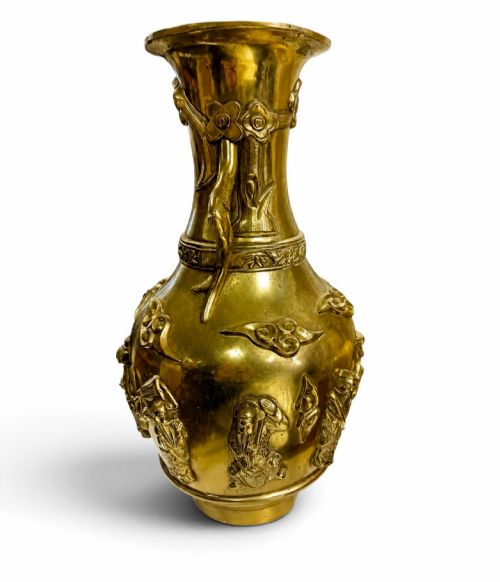
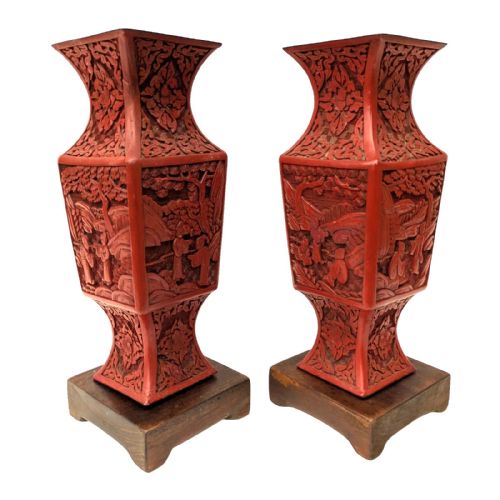
Metal vessels involve casting in copper-alloy or brass, often enhanced with high-relief figural work or mixed metal inlay. Lacquer pieces require building up layers of cinnabar over wood bases before carving intricate scenes.
Several Meiji period vases depict immortal figures alongside dragons, proving that mythological beasts make excellent household companions.
What varies in quality
Quality rests in the crispness of the hand-painted brushwork, the depth of the carved relief, and the precision of the glaze firing. Pieces with well-defined facial expressions on figures and careful application of gold leaf stand apart from simpler commercial outputs.
The weight and balance of cast bronze or copper-alloy vessels, alongside the integrity of lacquer work, dictate the standing of individual items within their specific ceramic or metalwork traditions.
Hakusan
The Antique Oriental Vase Decor Glossary
- Imari
- A style of Japanese porcelain featuring a palette of underglaze blue, iron red, and gold. It originated in the town of Arita and became widely exported to Europe.
- Satsuma
- A type of Japanese earthenware characterised by a pale, ivory-coloured cracked glaze decorated with enamel paints and gilt. It often depicts figures, gardens, and mythical beasts.
- Baluster
- A vase form with a rounded body that tapers toward the base and flares at the neck. This shape appears frequently in both Chinese and Japanese ceramic traditions.
- Cloisonne
- A metalwork technique where thin wire partitions create compartments on a vessel surface, which are then filled with coloured enamel paste and fired.
Antique Oriental Vase Decor: Frequently Asked Questions
How do I date an oriental vase?
Dating relies on stylistic markers, materials, and associated kiln marks recorded in the listing details. Periods span from eighteenth-century Qing dynasties to late nineteenth-century Meiji productions.
Examining the base for reign marks or studio signatures helps narrow the decade of manufacture when combined with an assessment of the glaze and wear.
What is Japanese Imari porcelain?
Imari refers to Japanese porcelain exported from port towns during the Edo and Meiji periods. It is known for a distinct palette combining cobalt blue underglaze with iron red and gold.
These pieces often display floral and geometric panels and were created for both domestic use and Western trade.
How do I clean antique porcelain?
Dust these decorative vessels gently with a soft, dry brush to prevent accumulating dirt in crevices and high-relief areas. Avoid harsh chemical cleaners and abrasive cloths that can damage old glazes and gold leaf.
Keep pieces out of direct sunlight to protect enamel colours from fading over the years.
What is Satsuma ware?
Satsuma ware is a distinctive Japanese pottery type featuring a buff-coloured, earthenware body covered in a fine crackle glaze. Artisans then hand-painted detailed figural scenes and botanical motifs over this surface using polychrome enamels and gold.
These decorative vases were prominently produced during the Meiji period for international exhibition and export.