
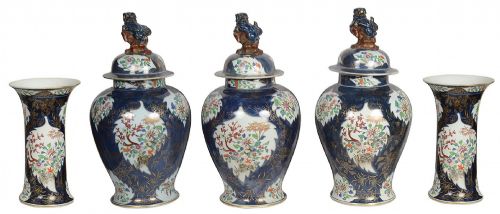

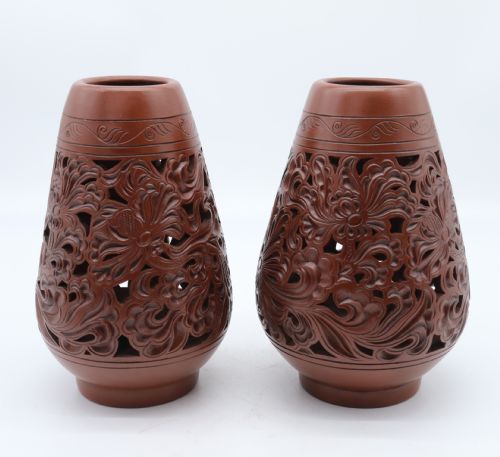


Qing Dynasty Floral Vase
These qing dynasty floral vase examples unite centuries of craftsmanship, offering vibrant floral motifs and enduring ceramic forms for your interior.
Qing Dynasty Floral Vase
When you search for a qing dynasty floral vase, you encounter a variety of ceramic and decorative objects spanning the eighteenth century through to the early twentieth century. The selection includes traditional porcelain vessels alongside repurposed lamp conversions and carved stands designed to display them.
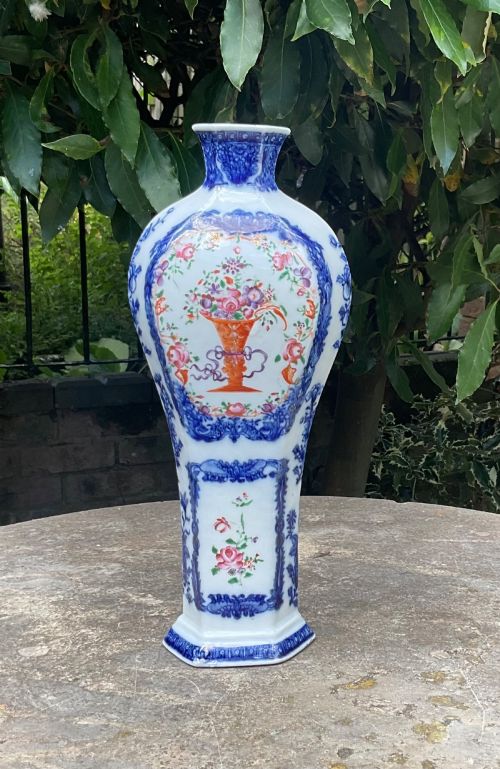
You are most likely to meet nineteenth-century examples on this page, particularly famille rose and cloisonne pieces reflecting Chinese Export and Qing Dynasty styles. These range from baluster and bottle vases to lidded ginger jars decorated with intricate floral patterns.
How they were made
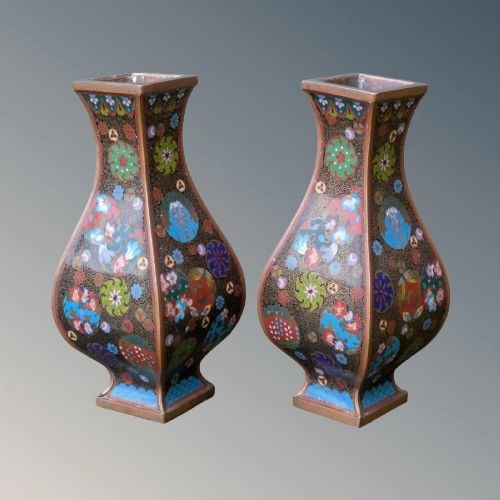
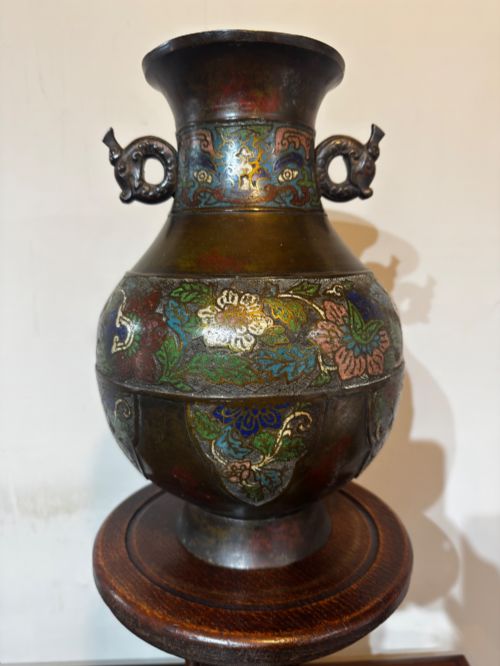
Potters and artisans utilised porcelain, bronze, and copper as the foundational media for these vessels, frequently applying elaborate enamel work and underglaze blue. Cloisonne examples demonstrate wirework techniques fused with coloured enamel pastes across metallic surfaces.
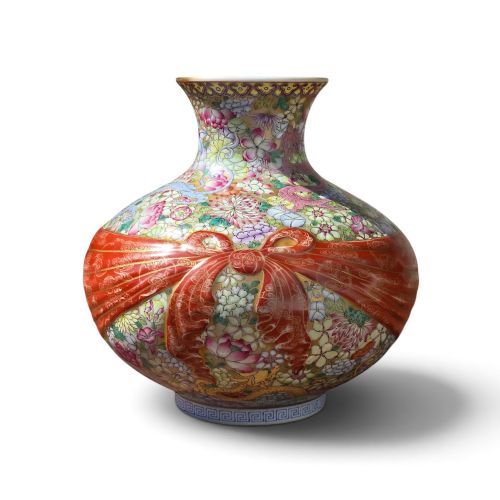
Surface decoration often incorporates carved red cinnabar lacquer, iron-red ribbons, and gilt metal details alongside traditional famille rose and famille verte palettes. Woodworkers additionally constructed supporting tables and plant stands using hardwood and marble inserts.
Materials recorded across the inventory include marble, hardwood, fabric, brass, and copper, supporting various vase and plant stand configurations.
What varies in quality
Quality separates through the precision of the enamel painting, the crispness of the underglaze blue, and the complexity of the decorative motifs such as millefleurs or dual dragons. Superior examples display balanced proportions and refined control over the palette.
The execution of the metallic wirework in cloisonne pieces or the depth of carving in cinnabar lacquer and wooden stands distinguishes finer workshop output from standard decorative items. Markings, whether seal marks or reign marks, further indicate the ambition of the piece.
The Qing Dynasty Floral Vase Glossary
- Famille rose
- A palette of opaque enamels dominated by pink or rose colours, introduced during the Qing dynasty. This technique allowed for nuanced shading in floral and figural designs.
- Cloisonne
- An enamel technique where metal wires are soldered to a base to form compartments filled with paste and fired. It creates distinct cellular patterns across the surface of the vase.
- Baluster
- A vase form characterised by a bulbous lower portion tapering to a narrower neck and flared rim. This shape provides a stable base for intricate floral decoration.
- Champleve
- An enamelling method where troughs are carved into a metal surface to hold enamel before firing. It offers a robust alternative to wire-based cloisonne work.
- Millefleurs
- A dense pattern of countless small flowers covering the entire surface of the ceramic. This style demands exceptional patience and skill from the painter.
Qing Dynasty Floral Vase: Frequently Asked Questions
What defines a qing dynasty floral vase?
These vessels combine traditional Chinese ceramic forms with botanical and floral painting styles developed during the Qing period. They frequently feature famille rose or famille verte enamels on porcelain bodies.
Many examples date from the nineteenth century or reflect later revivals, incorporating classic motifs such as ribbon-wrapped designs, dragons, or auspicious floral sprays.
How are these vases used today?
Collectors display them as standalone decorative centrepieces on tables, mantels, or dedicated hardwood stands. Their sculptural shapes and vibrant palettes draw the eye in domestic interiors.
Some pieces have been adapted into table lamps while retaining their original ceramic or cloisonne bodies, blending historical artistry with modern functional lighting.
How do I tell periods apart?
Differentiating periods relies on observing stylistic shifts in the enamel colours, porcelain weight, and associated seal or reign marks. Eighteenth-century examples often exhibit refined famille rose painting and specific imperial mark styles.
Later nineteenth-century and early twentieth-century pieces tend to show variations in palette intensity, decorative density, and manufacturing techniques like champleve or export cloisonne.
What materials are common?
Porcelain forms the primary medium, decorated with enamels, underglaze blue, or iron-red pigments. Metalwork versions utilise copper, bronze, and brass paired with cloisonne enamelling.
Additional materials include carved red cinnabar lacquer, gilt metal, and complementary display furniture built from hardwood and marble.