
Chinese Enamelled Ceramics
Chinese enamelled ceramics bring vibrant overglaze palettes and intricate hand-painted detail to vases, bowls, and dishes from the Qing Dynasty through the twentieth century.
Chinese Enamelled Ceramics
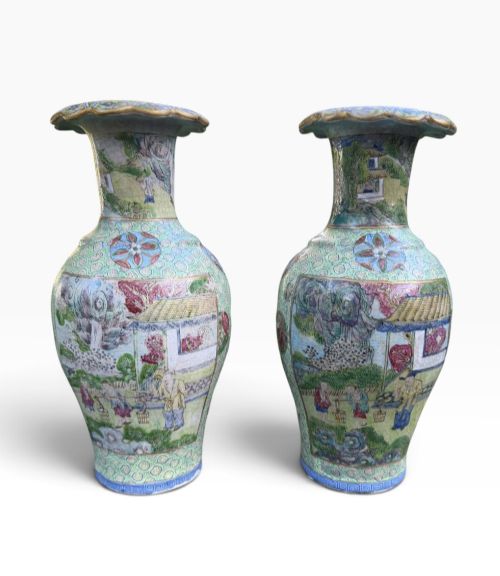
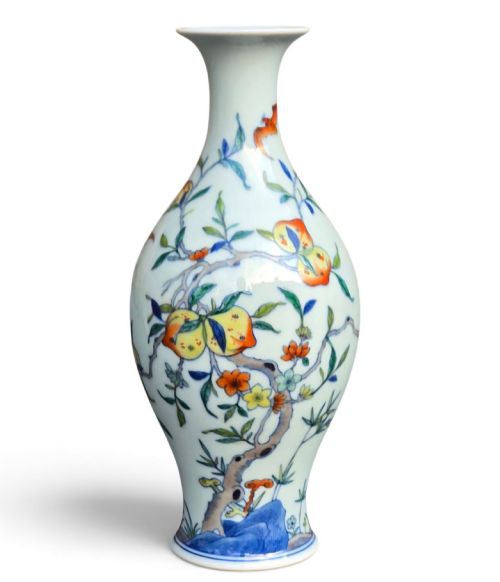
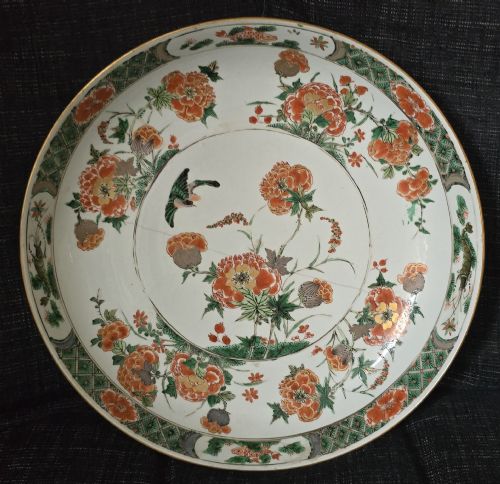
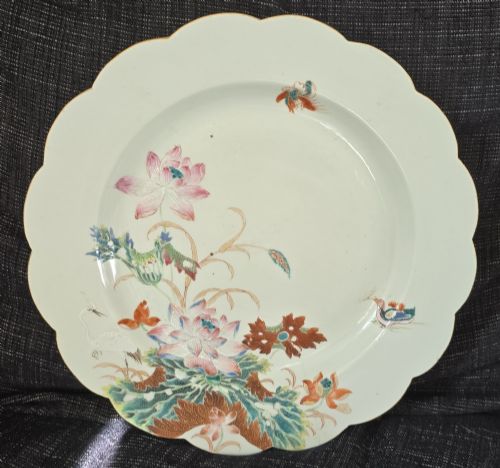
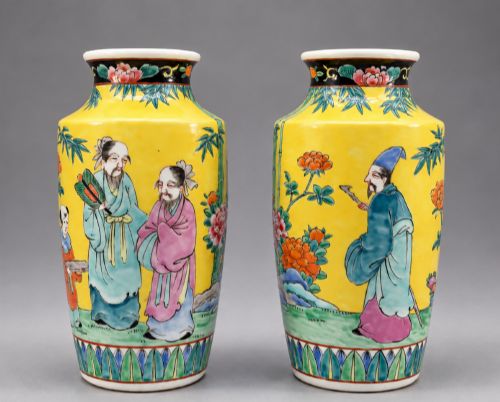
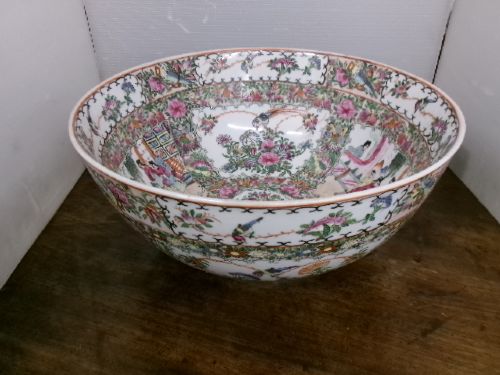
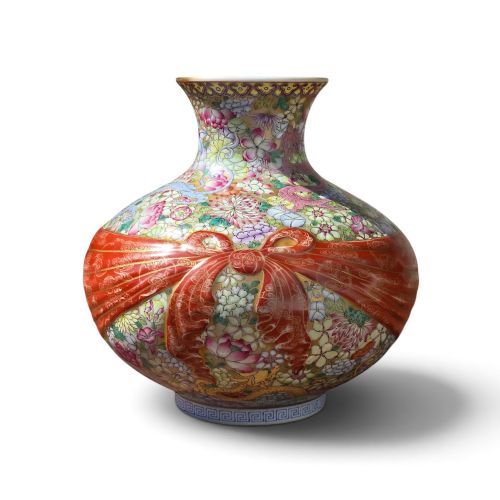
Chinese enamelled ceramics comprise a diverse array of porcelain, stoneware, and copper vessels decorated with vibrant pigments. When exploring this selection, buyers encounter functional and decorative forms including large punch bowls, jardinieres, ginger jars, and garlic-head vases.
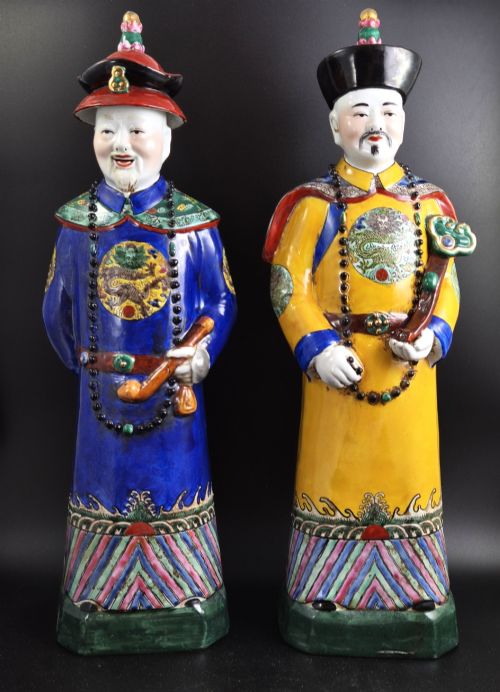
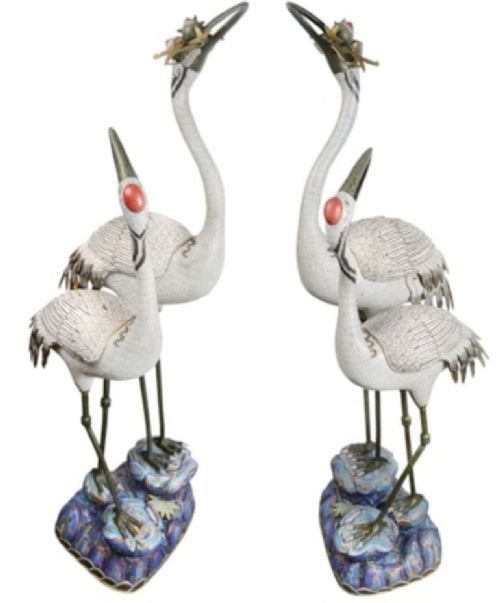
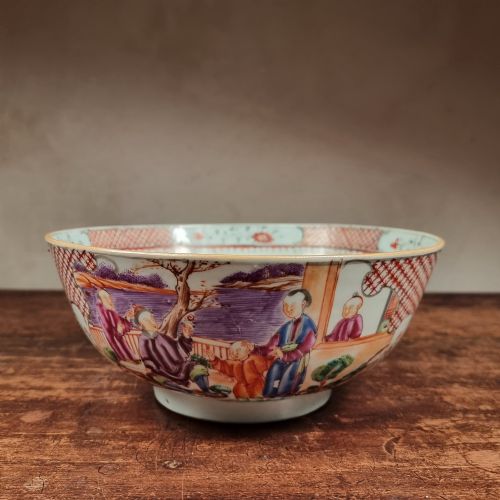
The material record spans the eighteenth century through the 1940s, with a strong representation of nineteenth-century Canton pieces and Qing Dynasty exports. Makers utilised overglaze enamels, gilt, and gold leaf to render complex floral motifs, figural scenes, and symbolic animals across plates, chargers, and figurines.
Materials and Construction
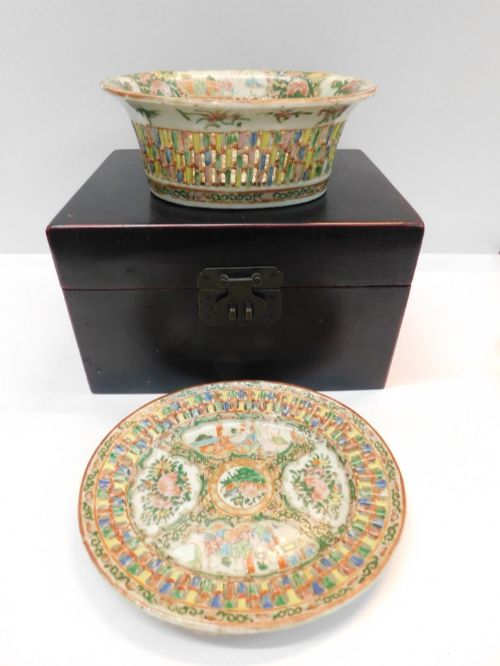
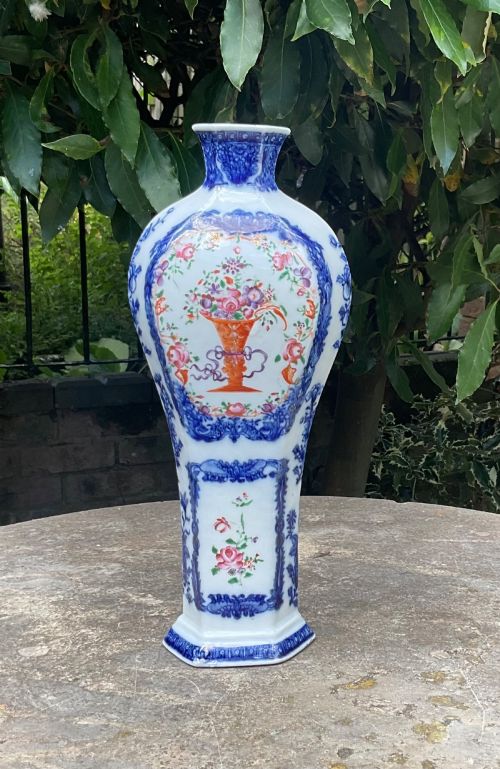
The foundation of these objects rests on white porcelain, eggshell porcelain, or Yixing stoneware, shaped into vessels, reticulated chestnut baskets, and hexagonal planters. Artisans applied rich underglaze bodies before building up intricate compositions using coloured overglaze enamels.
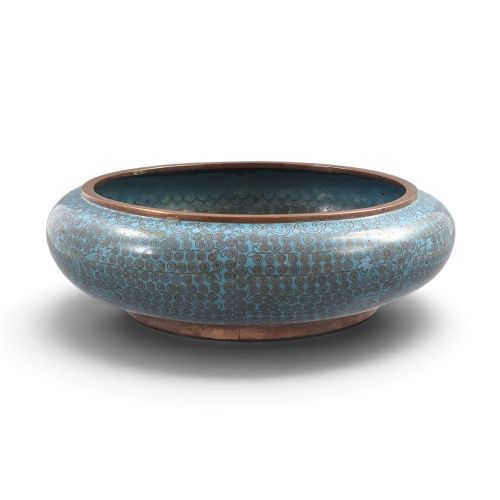
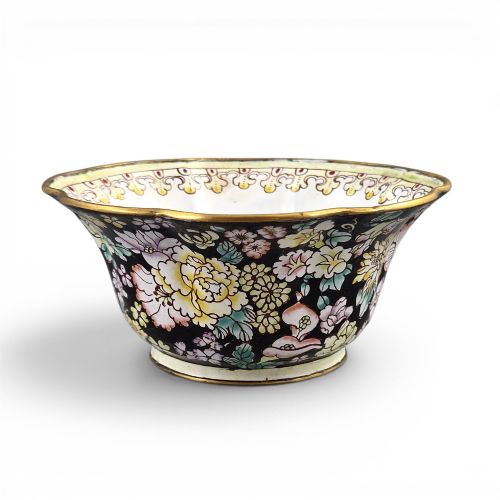
Detailing often incorporates gold leaf, gilding, and iron-red accents to highlight borders, dragons, and floral garlands. Certain items, such as scholar's brush washers, substitute porcelain bases with hammered copper to receive painted enamel decoration.
Several grumpy ceramic Buddhas are present, laughing heartily despite being trapped in glass cabinets for over a century.
Assessing Craftsmanship and Execution
Quality in these wares emerges through the precision of the brushwork and the depth of the enamel palette. Superior examples display tightly controlled lines, well-balanced compositions, and cleanly rendered motifs such as birds, flowers, and imperial dragons.
The refinement of the underlying ceramic body also distinguishes the pieces, from delicate eggshell bowls to substantial garden seats and garniture vases. Rich gilding and harmonious colour integration separate standard production items from masterworks created during imperial periods.
Zhu Mao Ji·Fujian Huiguan Mark
The Chinese Enamelled Ceramics Glossary
- Famille Rose
- A palette characterised by opaque pink enamel, introduced during the Qing Dynasty. This grouping includes soft rose shades alongside greens, yellows, and blues.
- Famille Verte
- An enamel palette dominated by green hues, complemented by iron-red, blue, and yellow. It remains prominent on pieces originating from the seventeenth century onward.
- Canton
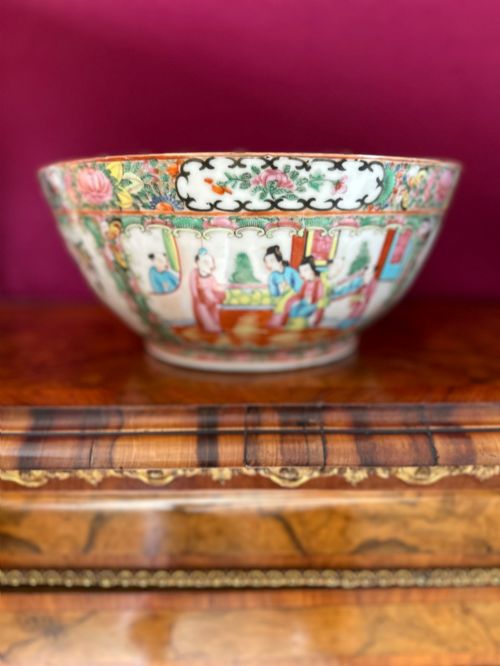
- A style of export decoration associated with southern China, featuring dense panels of figures, birds, and flowers. These colourful patterns cover large punch bowls, dishes, and vases.
- Overglaze Enamel
- Coloured glass paste applied over a fired and glazed ceramic surface. The piece undergoes a secondary, lower-temperature firing to fuse the decoration.
- Reticulated
- A technique involving pierced or openwork carving through the ceramic wall. This method appears on chestnut baskets and decorative stands.
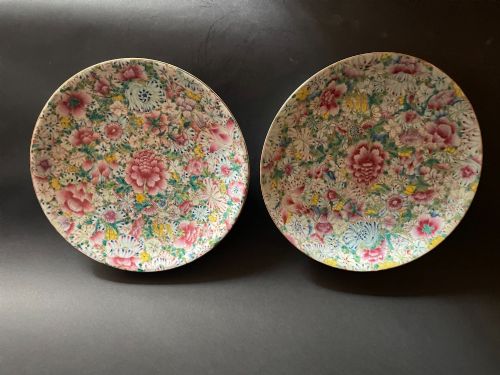
- Millefleurs
- A dense decorative scheme translating to a thousand flowers, covering the entire surface of the vessel. The pattern leaves virtually no background porcelain exposed.
Chinese Enamelled Ceramics: Frequently Asked Questions
What is the difference between Famille Rose and Famille Verte?
Famille Rose relies on an opaque pink or purple enamel derived from colloidal gold, introduced in the eighteenth century. Famille Verte uses a dominant green enamel palette established during the earlier Qing periods.
Both styles employ contrasting colours, but Famille Rose introduces softer pastel tones while Famille Verte remains vivid and bright.
How were Canton bowls used originally?
Canton bowls served as punch bowls, serving vessels, and decorative centrepieces for wealthy households in Asia and the West. Their large capacities made them practical for communal dining and entertaining.
Over time, many of these heavy porcelain bowls transitioned into purely decorative objects displayed on hardwood stands within reception rooms.
How do I care for antique enamelled ceramics?
These pieces require gentle handling and should be washed by hand in lukewarm water using mild soap if cleaning is necessary. Harsh abrasives and chemical cleaners will damage the delicate overglaze enamels and gold leaf.
Display vessels away from direct sunlight and extreme temperature fluctuations to protect the enamel pigments and underlying ceramic bodies from degradation.
Are all Chinese enamelled pieces made of porcelain?
While the vast majority of items are constructed from white porcelain or thin eggshell porcelain, alternative materials exist within the category. Artisans also utilised Yixing stoneware for vases and copper bases for painted enamel scholar's objects.
Each material dictates a different manufacturing process, though all share the characteristic application of colourful surface enamels.