

Large Oriental Ceramic Urn
A large oriental ceramic urn brings commanding scale and intricate artistry to any interior.
Large Oriental Ceramic Urn
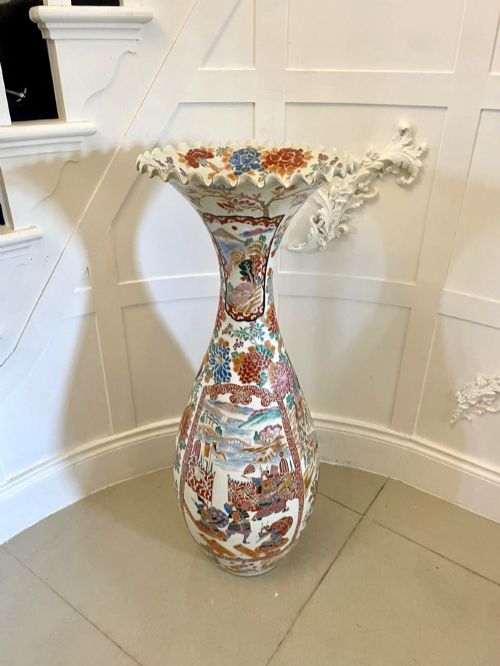
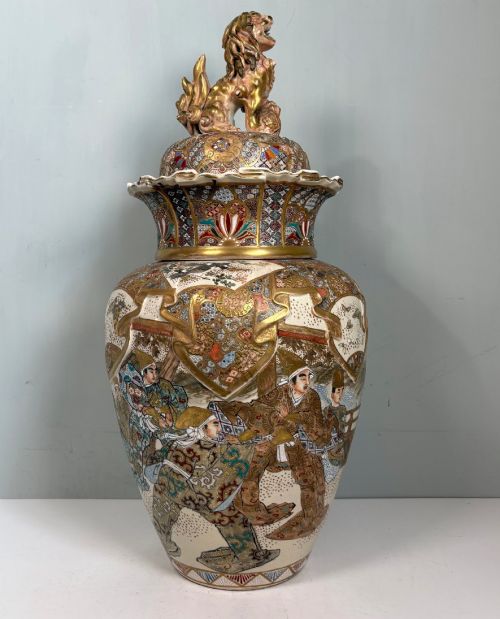
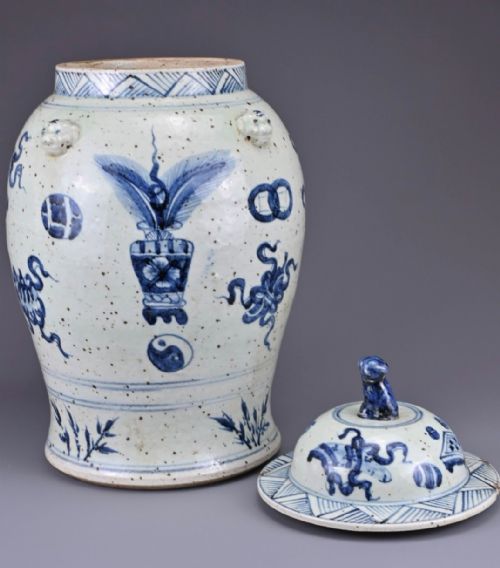
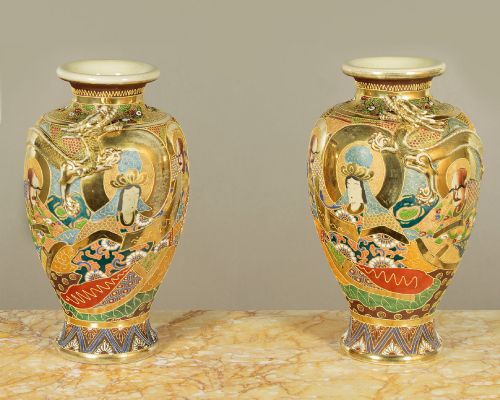
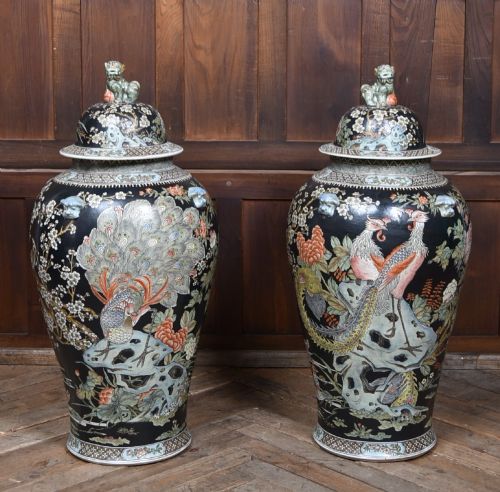
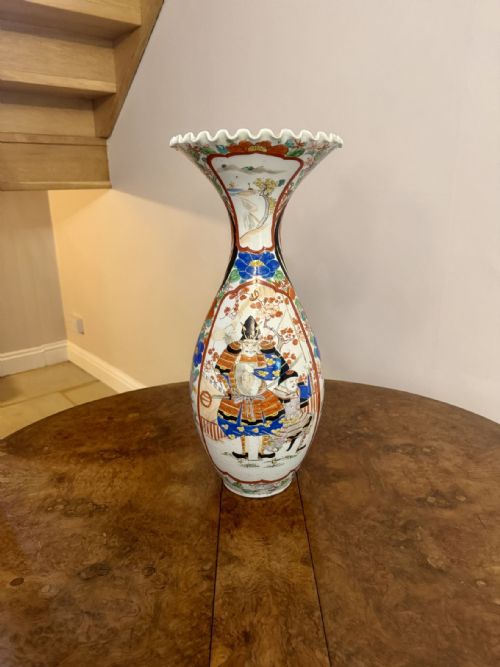
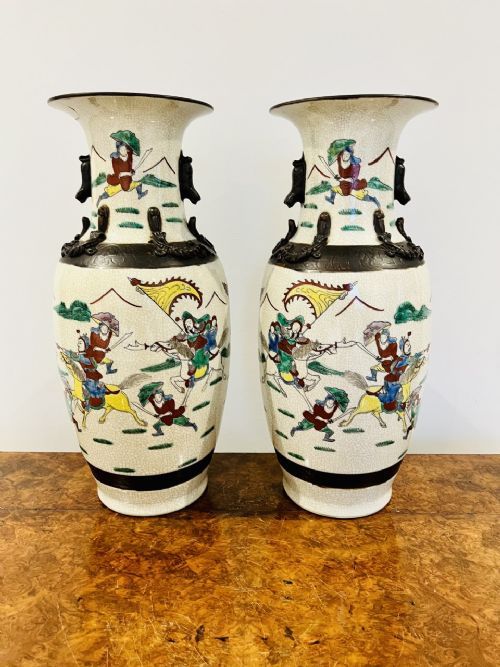
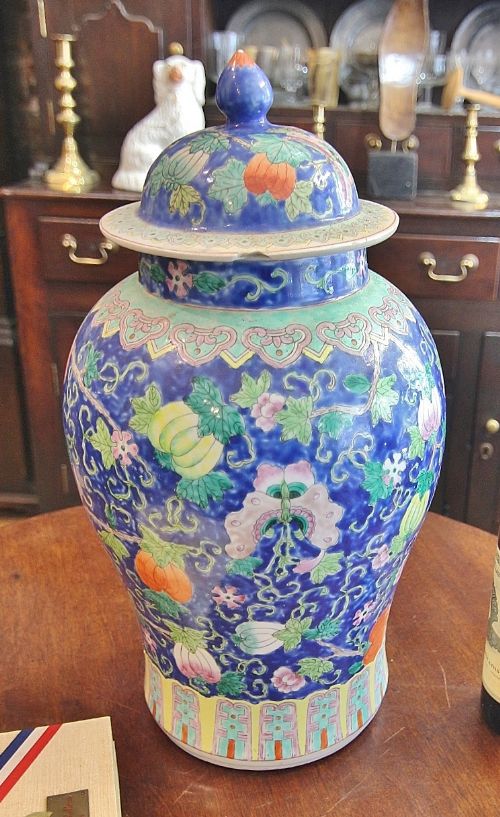
A large oriental ceramic urn encompasses imposing floor vases, lidded jars, and palace vessels originating from Japanese and Chinese traditions. When searching for a large oriental ceramic urn, buyers encounter substantial works primarily dating from the nineteenth century onward, including Meiji period Satsuma pieces and Qing dynasty porcelain.
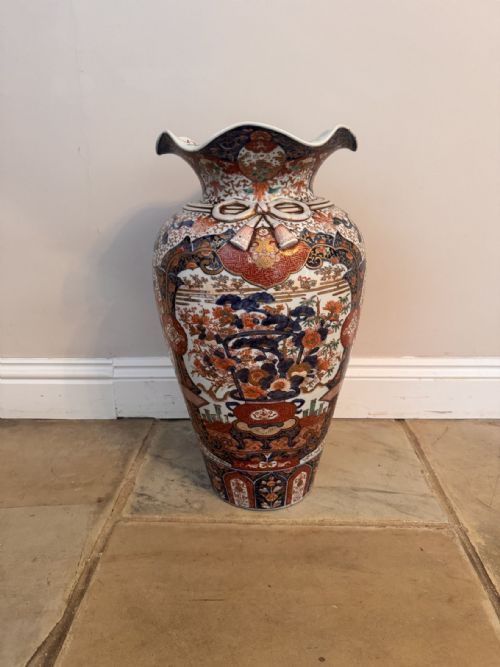
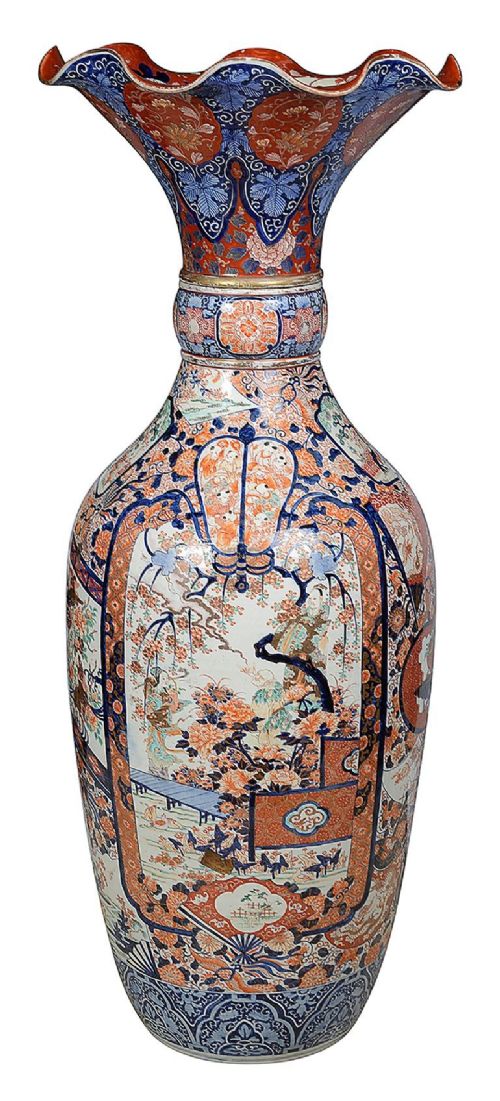
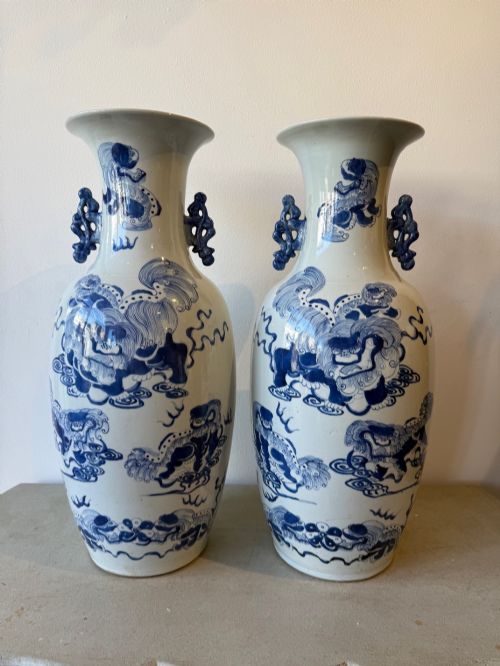
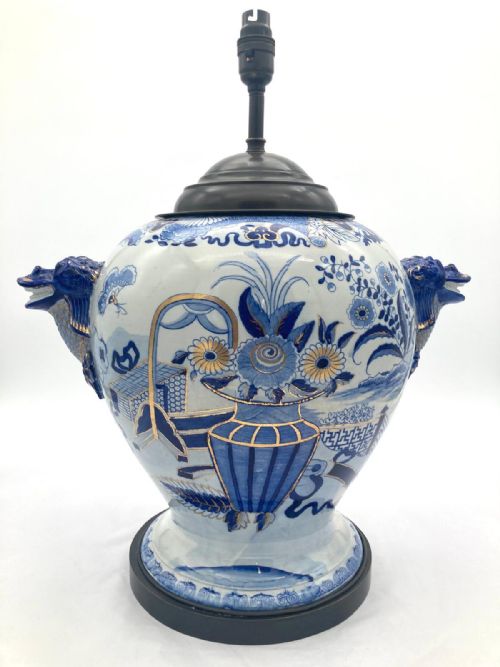
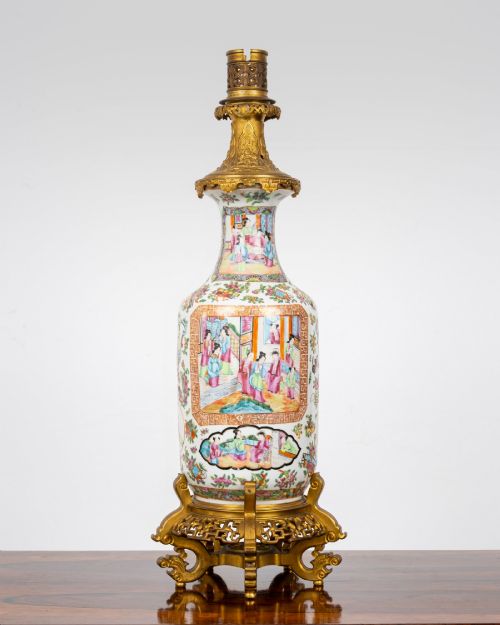
Forms vary from monumental floor standing vases exceeding a metre in height to table lamps and planters. Many pieces display rich hand-painted decoration in the Imari palette, blue and white designs, or complex figural scenes depicting figures such as arhats and dragons.
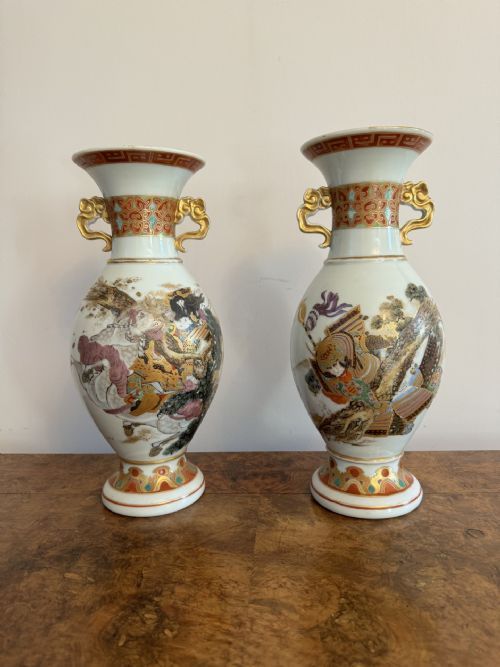
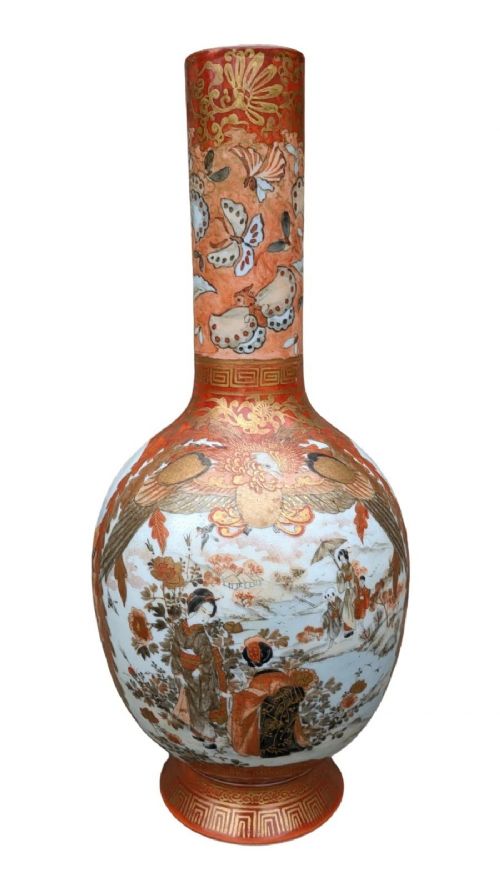
The selection ranges from pairs of palace jars to individual Satsuma and Kutani vases. These vessels often serve as focal points in large rooms, carrying centuries of ceramic history and distinct regional styles.
What Varies in Quality
Quality rests upon the crispness of the hand-painted enamels, the precision of the gilding, and the artistic complexity of the figural or botanical scenes. Finer works display meticulous brushwork across vast surfaces, particularly on monumental Satsuma and Imari pieces where sustaining balance across a large form requires exceptional skill.
The presence of named makers, original matching stands, or preserved covers elevates certain vessels. Superior pieces combine robust potting with sophisticated glaze control and harmonious composition.
Listings feature porcelain, earthenware, enamel, and gilt materials across nineteenth-century Japanese and Chinese forms.
Hotoda·Makuzu Kozan·Kato Sanhei·Seiko-en Chokei·Kinkozan
The Large Oriental Ceramic Urn Glossary
- Imari
- A traditional Japanese style of porcelain characterised by a distinctive palette of underglaze blue, iron red, and gilt. It originated in Hizen province and became highly popular in the West.
- Satsuma
- An earthenware type from Japan featuring a crackled ivory glaze decorated with detailed polychrome enamels and gilding. These pieces frequently depict historical figures, landscapes, and floral motifs.
- Celadon
- A term for pottery denoting both wares glazed in jade green and the specific translucent green glaze itself. The colour mimics the appearance of jade.
- Jardiniere
- A large ceramic pot or planter designed to hold growing plants or flowers. They often sit on matching bases or stands.
- Kutani
- Japanese porcelain and pottery known for bold pictorial designs and rich colour palettes, often featuring greens, blues, purples, and gold.
Large Oriental Ceramic Urn: Frequently Asked Questions
How do I style a large oriental ceramic urn at home?
These commanding vessels work best as freestanding focal points in hallways, reception rooms, or empty architectural corners where their height and colour can be appreciated.
Avoid crowding them with smaller objects, allowing the hand-painted details and scale to command the space independently.
Are these pieces waterproof for actual plants?
Whilst some forms like jardinières and planters were specifically designed for greenery, many traditional vases and lidded jars have porous bodies or historical interiors unsuited for direct planting.
Utilise a concealed inner liner if you intend to use them for fresh floral arrangements rather than dry display.
How can I tell Satsuma ware from Imari ware?
Satsuma ware utilises a distinctive cream-coloured earthenware body with a fine crackle glaze, decorated with detailed enamels and heavy gilding. Imari ware is typically hard-paste porcelain featuring a glossy white base painted in deep cobalt blue and iron red.
Running a hand across the surface reveals the smooth vitreous finish of porcelain compared to the warmer feel of Satsuma earthenware.
What does a converted lamp mean for an urn?
Conversion involves adapting an antique ceramic vase or jar to function as a table lamp by adding electrical fittings and often metal mounts.
This practice became common in the nineteenth and twentieth centuries to repurpose decorative vessels for domestic lighting while preserving the ceramic body.