




Chinese Temple Jar
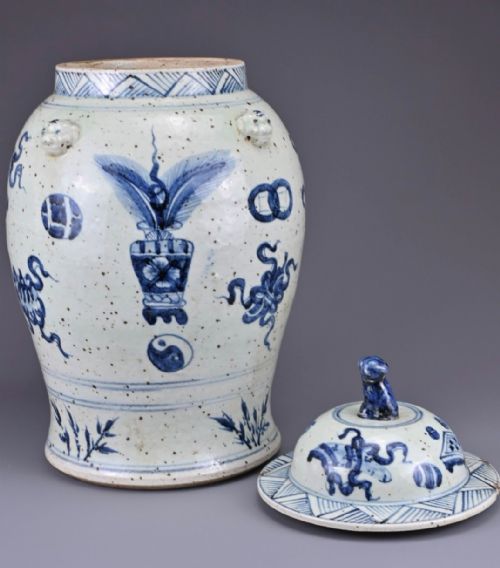
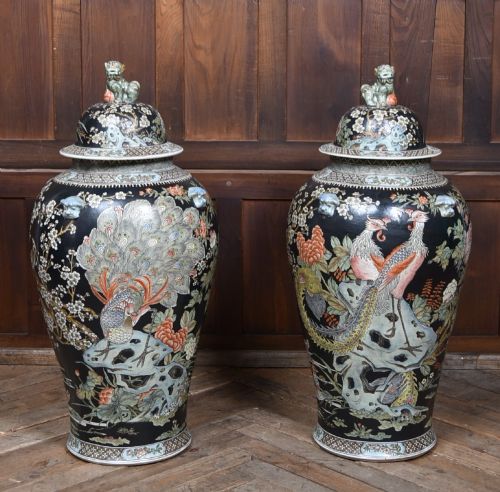
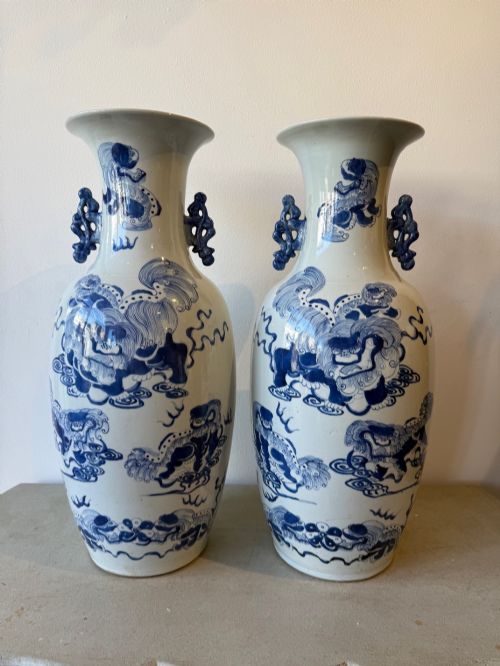
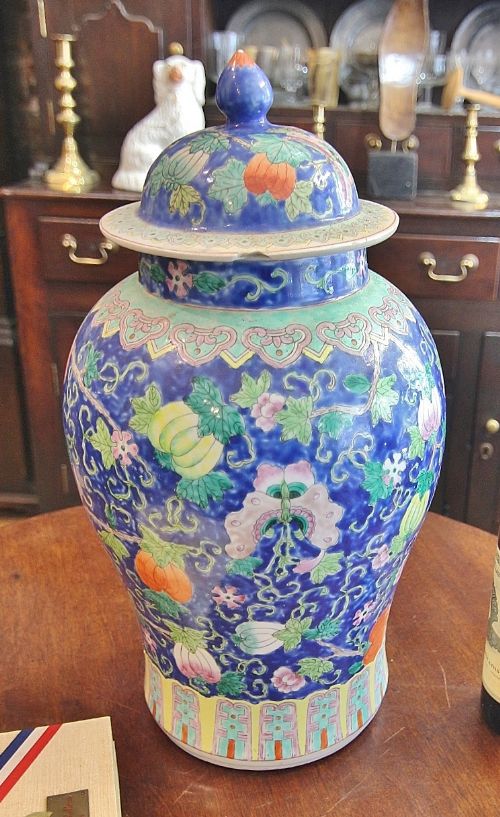
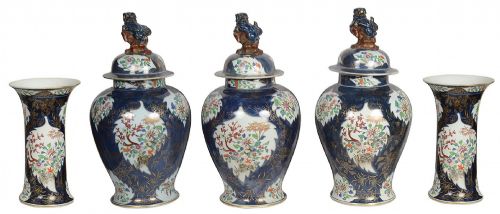
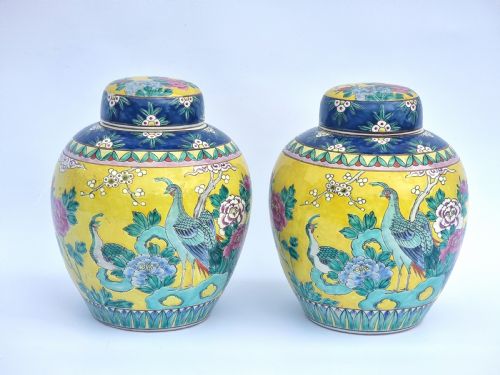
These Chinese temple jars bring grand scale and bold painted colour to a room, ranging from blue and white porcelain to famille rose designs.
Chinese Temple Jar
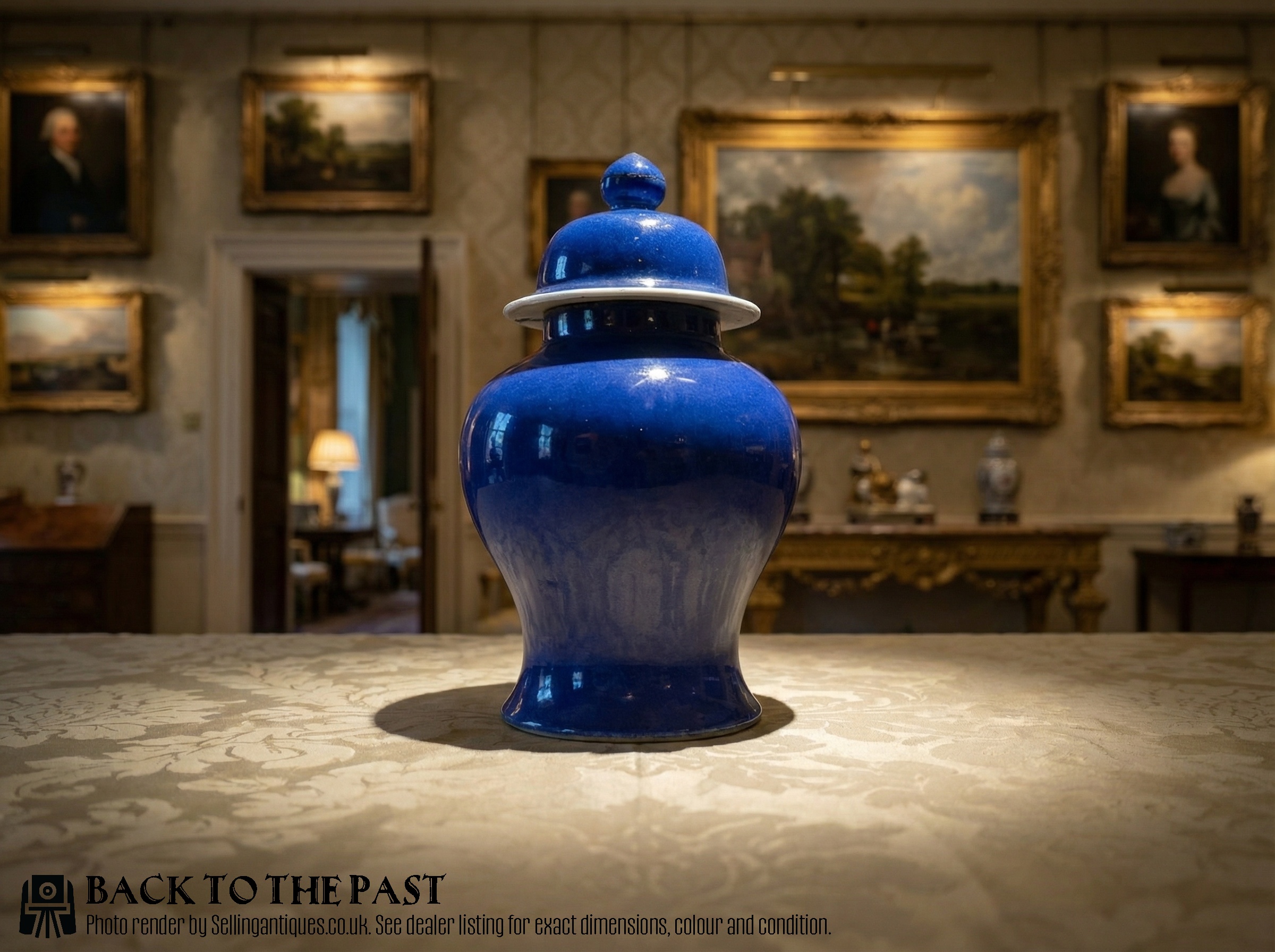
A chinese temple jar is a large ceramic or porcelain vessel with a fitted cover, traditionally designed for display in domestic interiors or ceremonial spaces. The pieces handled here span from the seventeenth century through the nineteenth century and into the twentieth century, taking forms such as baluster vases, ginger jars, and monumental floor jars.
Buyers meet examples decorated in classic cobalt glaze, vibrant famille rose enamel, and powder blue finishes. Many incorporate lids, while others function as converted table lamps or rest upon wood and ormolu mounts.
How They Were Made
Potters shaped these vessels from ceramic and porcelain, applying mineral pigments under or over the glaze before firing the body at high temperatures. Cobalt glaze and hand painted enamel provided the primary means of surface decoration across the historical periods represented.
Craftsmen often enriched finished pieces with additional materials, mounting porcelain bodies in brass and ormolu or pairing them with carved wood furniture. Gilding with gold leaf frequently highlighted the contours of handles, rims, and covers.
The inventory spans the seventeenth century, the nineteenth century, and twentieth century production.
What Varies in Quality
Quality rests in the precision of the hand painting and the clarity of the glaze, where confident brushwork separates standard production from superior artistry. Fine examples display crisp cobalt tones or richly detailed polychrome figures without muddiness in the pigments.
The integrity of the porcelain body and the presence of matching original covers strongly influence the standing of a piece. Additional craftsmanship seen in fitted ormolu mounts or patinated brass elements further elevates the character of the vessel.
The Chinese Temple Jar Glossary
- Famille rose
- A palette of opaque enamel colours dominated by pink, introduced during the Qing dynasty. This technique allowed artists to render delicate floral and figurative scenes.
- Ginger jar
- A broad shouldered vessel with a domed cover, originally used for storing spices and herbs. Collectors prize them for their pleasing proportions and balanced symmetry.
- Ovid
- Egg shaped in profile, describing jars that curve inward gently toward the base and neck. This form provides a smooth canvas for continuous painted landscapes.
- Ormolu
- Gilded bronze used for decorative mounts and stands. It adds weight and architectural structure to porcelain vases.
- Doucai
- A ceramic technique combining underglaze blue outlines with overglaze polychrome enamels. The method creates a distinct layered effect on the surface of the jar.
Chinese Temple Jar: Frequently Asked Questions
What is a chinese temple jar?
A chinese temple jar is a large lidded ceramic or porcelain vessel created for decorative display in interiors. These pieces typically feature broad shoulders and distinct cover designs.
Historically, makers produced them in various sizes, ranging from standard table vessels to monumental floor standing jars. Their surfaces carry hand painted scenes, floral motifs, or monochrome glazes.
How were temple jars used?
These vessels served primarily as ornamental items within grand houses and public spaces, often displayed in pairs on tables or pedestals. Their substantial scale made them focal points in a room.
Over time, some examples found new utility when converted into table lamps or fitted with custom metal and wood mounts. Despite these adaptations, their core function remained decorative.
How do I identify the period?
Dating relies on observing stylistic markers, glazing techniques, and potting characteristics specific to different eras. Pieces associated with the Qing dynasty often exhibit particular enamel palettes and brushwork styles.
Archival records and historical comparatives help narrow the timeline, distinguishing earlier Kangxi inspired designs from later nineteenth and twentieth century interpretations.
Can I use them as lamps?
Many historical jars have undergone conversion into table lamps, incorporating wiring and hardware through the base or lid. This practice has a long history among collectors adapting antique porcelain for modern lighting.
When evaluating a lamp conversion, look at whether the fitting preserves the structural integrity of the ceramic body. Professional wiring ensures the piece functions safely in a domestic setting.
How do I care for antique porcelain?
Maintain these vessels by dusting them gently with a dry, soft cloth to prevent surface accumulation. Avoid using chemical cleaners or abrasive materials that might harm fragile enamel and gold leaf decorations.
Place the jars on stable, level surfaces away from heavy foot traffic or direct sunlight. Secure any loose lids separately if the vessel is moved.