






Antique Asian Pottery Vase
An antique asian pottery vase brings the intricate artistry of Meiji and Qing periods into a room through hand-painted scenes and rich ceramic glazes.
Antique Asian Pottery Vase
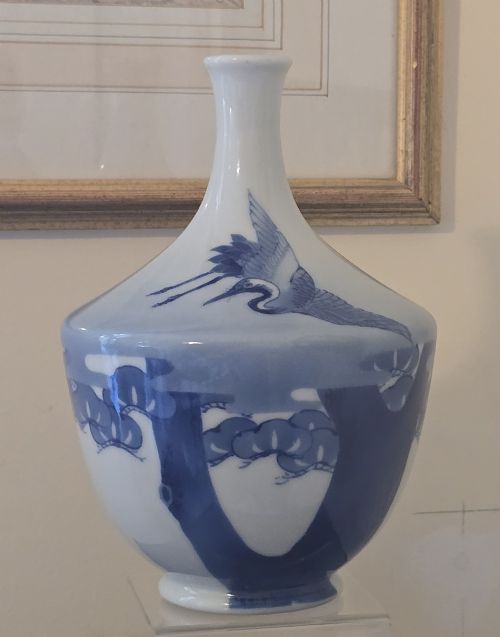
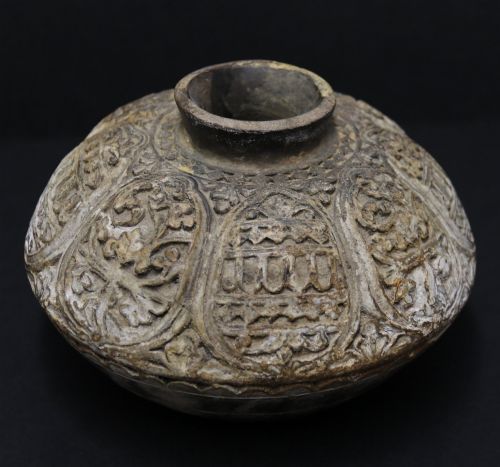
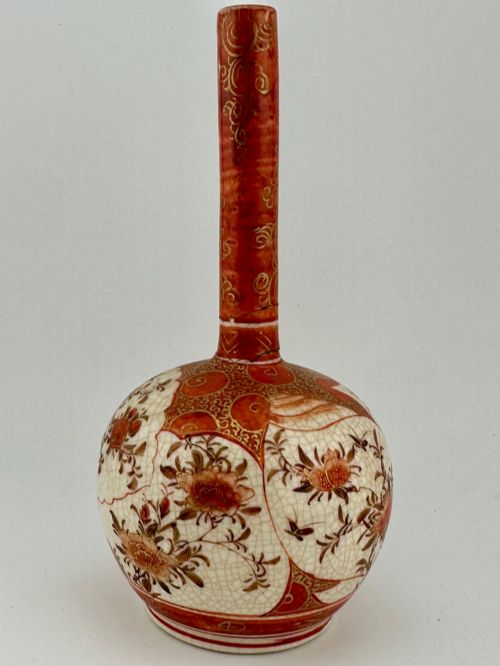
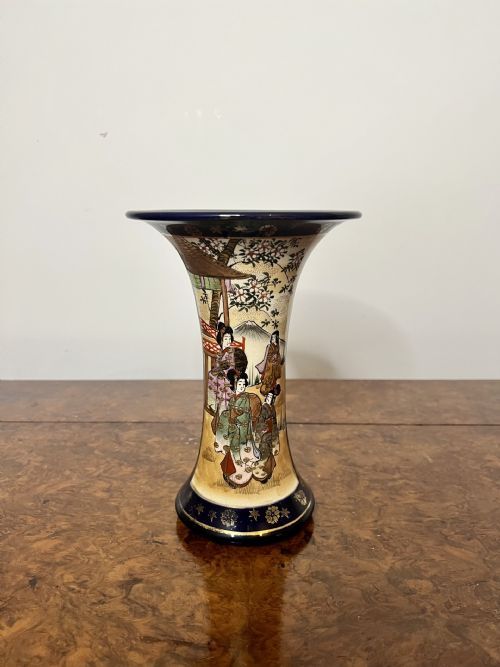
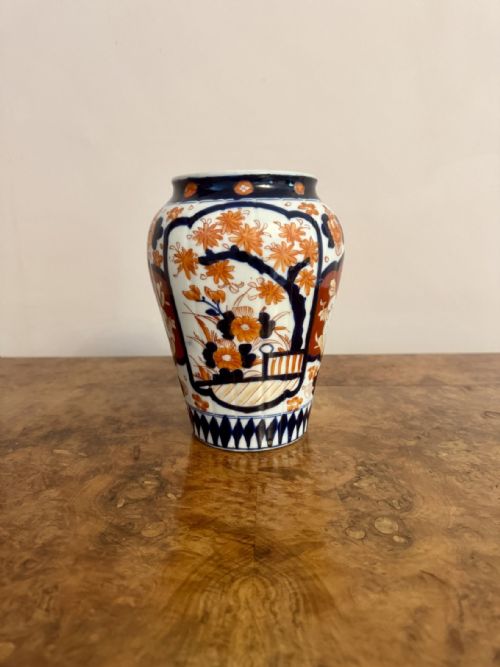
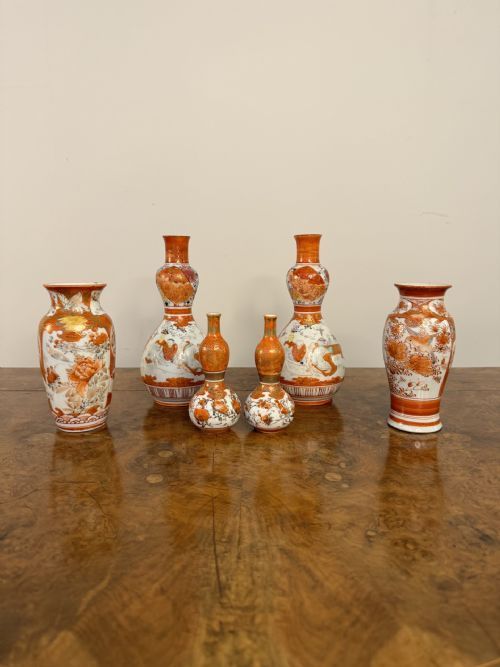
When searching for an antique asian pottery vase, collectors encounter diverse ceramic forms spanning the late nineteenth century through the early twentieth century. The selection centres heavily upon Japanese Satsuma, Imari, and Kutani wares alongside Sumida Gawa creations.
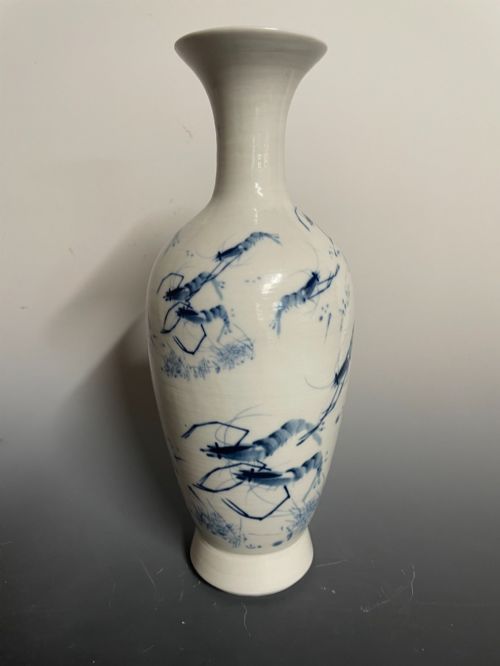
Most examples originate from Japanese workshops active during the Meiji, Taishō, and Showa periods, accompanied by select Chinese blue and white porcelain productions.

Materials and production
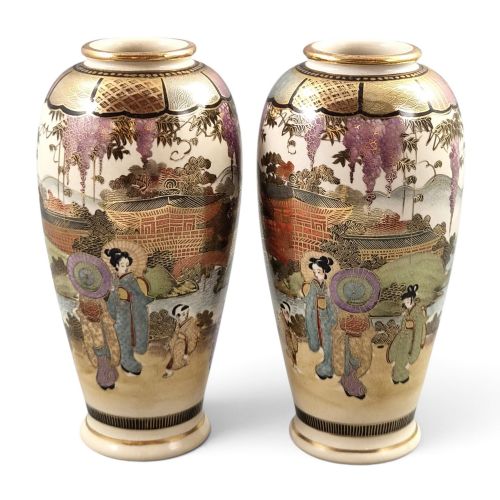
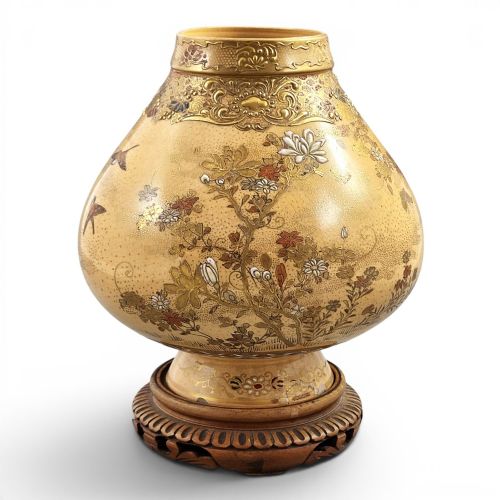
Potters shaped earthenware and porcelain bodies on the wheel or within moulds before applying specialised glazes. Artisans utilised intricate enamel painting, often highlighting figural processions, landscapes, and floral motifs with raised gold leaf and gilt detailing.
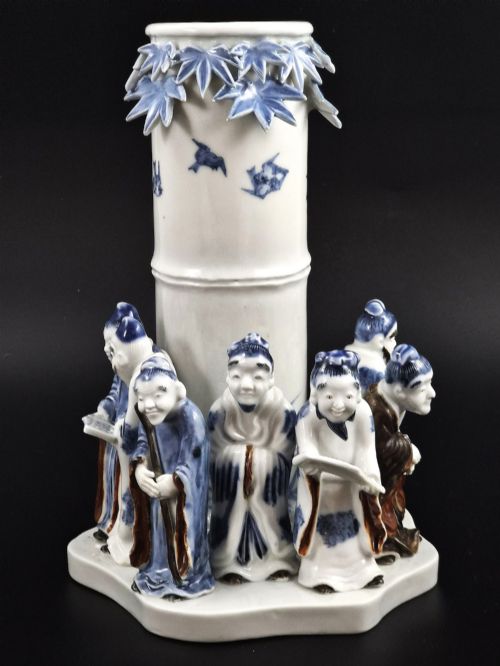
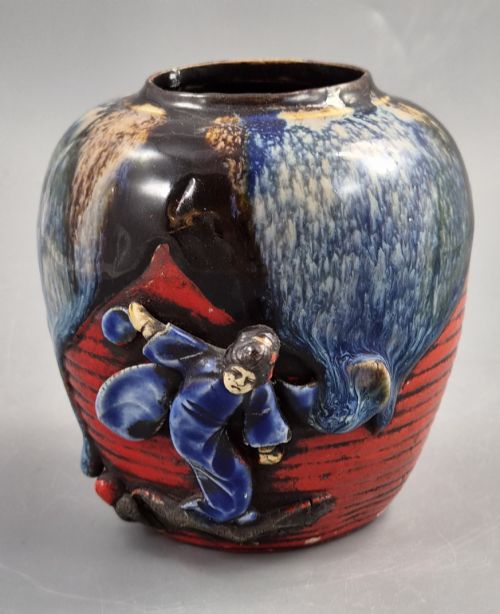
Sumida Gawa pieces distinguished themselves through thick, dripping flambé glazes and modelled clay figures applied directly to the exterior wall. Workshops in Kyoto, Kobe, and Kutani employed distinct palettes, combining cobalt blue pigments with heavy enamel overlays.
Antique Asian Pottery Vase Retail Price Guide 2026
Typical asking prices for asian pottery vase among the pieces listed under this phrase on Sellingantiques today, from the lower quarter to the upper quarter. They describe what is for sale here now, not the wider market.
Listings feature ceramics spanning the nineteenth century, Edwardian era, and early twentieth-century Japanese Shōwa and Taishō periods.
Markers of distinction
The degree of artistic precision in the hand-painted figural scenes separates standard production items from masterworks. Works originating from renowned workshops such as Kinkōzan or makers like Makuzu Kozan exhibit superior control over enamel layering and gilding.
The complexity of the modelled elements, such as multi-figure compositions depicting arhats or dragons, dictates the standing of a vessel. Balance in the ceramic form and depth in the glaze colour complete the criteria for fine examples.
Kinkōzan·Makuzu Kozan·Inoue Ryōsai·Manpei·Hotoda
The Antique Asian Pottery Vase Glossary
- Satsuma
- A type of Japanese earthenware featuring an ivory-coloured, crackled glaze that provides a canvas for detailed polychrome enamel and gilt decoration.
- Imari
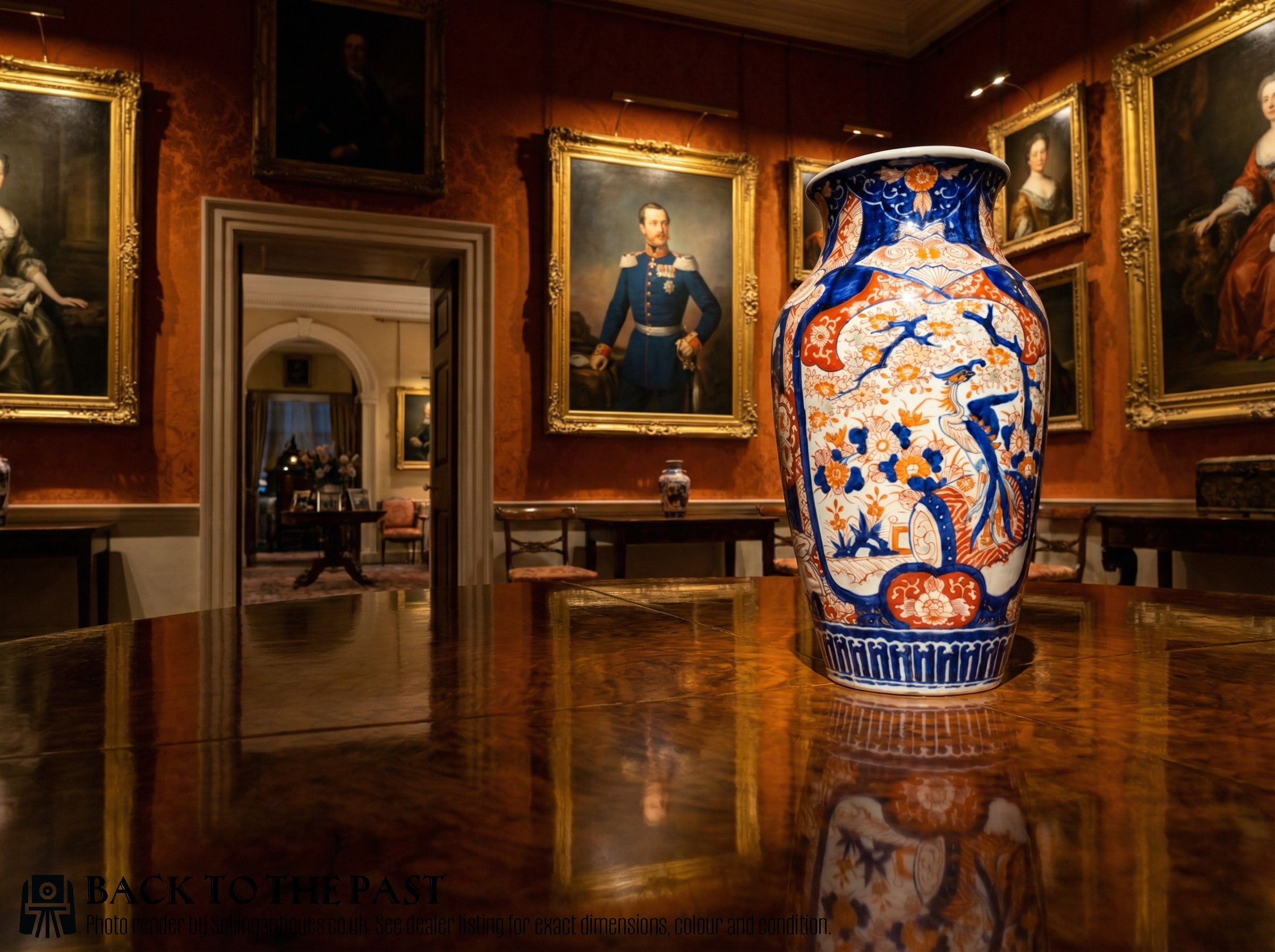
- A traditional style of Japanese porcelain characterised by a distinct palette comprising underglaze cobalt blue and iron red, complemented by supplementary colours and gold.
- Kutani
- Japanese ceramic ware known for bold, pictorial designs rendered in rich enamel colours, particularly featuring greens, blues, yellows, purples, and reds.
- Flambé glaze
- A streaked or mottled high-temperature ceramic glaze that achieves variegated colour effects through complex chemical reactions during firing.
- Karako
- A traditional decorative motif depicting Chinese children at play, frequently utilised across Japanese decorative arts from the Meiji period onward.
Antique Asian Pottery Vase: Frequently Asked Questions
How do I identify Satsuma ware?
Satsuma ceramics display a characteristic ivory-toned earthenware body covered in a fine network of microscopic glaze crackles. Artists painted intricate figural or floral scenes directly onto this absorbent surface using coloured enamels and gold.
Signed pieces often carry workshop stamps or artist signatures on the base, pointing to specific Kyoto or Kobe production centres active during the Meiji era.
What is Sumida Gawa pottery?
Sumida Gawa pottery originates from the banks of the Sumida River in Tokyo, defined by heavy, textured flambé glazes and unusual sculptural elements. Artisans applied three-dimensional figures, such as sages or children, directly onto the exterior walls of the vases.
These pieces break away from flat painted surfaces, offering a tactile aesthetic that emerged during the late nineteenth and early twentieth centuries.
How should I display these vases?
Place ceramic vessels in stable locations away from direct sunlight to preserve the integrity of delicate enamel pigments and gold leaf detailing. Select freestanding areas or sturdy shelves where the three-dimensional modelling and painted panels remain fully visible.
Ensure larger floor pieces sit on even surfaces to prevent accidental tipping, or utilise converted table lamp formats for functional domestic illumination.
How do I tell Meiji period pieces apart?
Meiji period ceramics reflect an era of intense artistic output driven by international exhibition participation and refined workshop traditions. Works from this time typically combine traditional Japanese iconography, such as arhats or wisteria gardens, with meticulous brushwork.
Later Taishō and Showa productions often shift toward simpler glaze effects or modified forms while retaining foundational techniques established in the nineteenth century.