
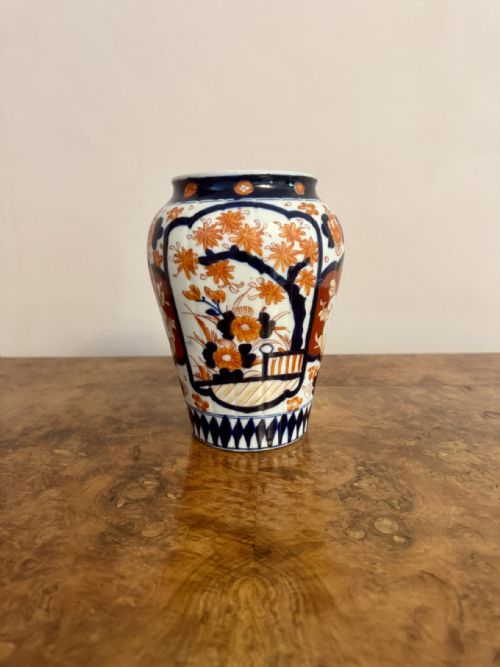
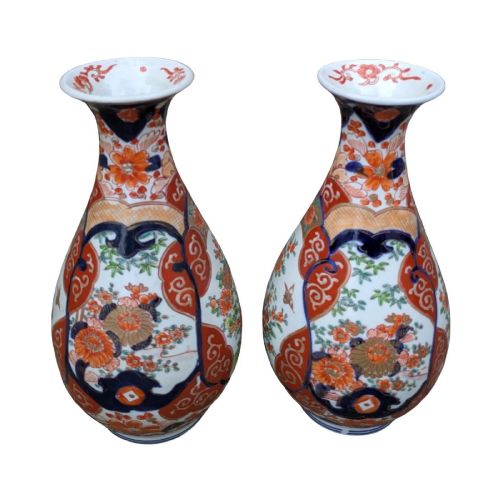
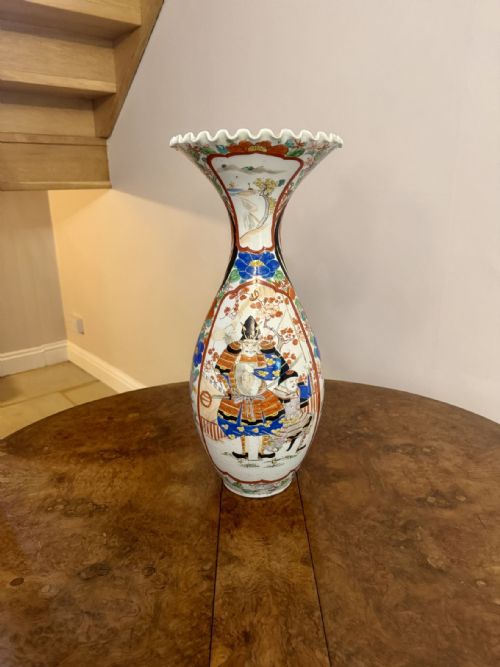
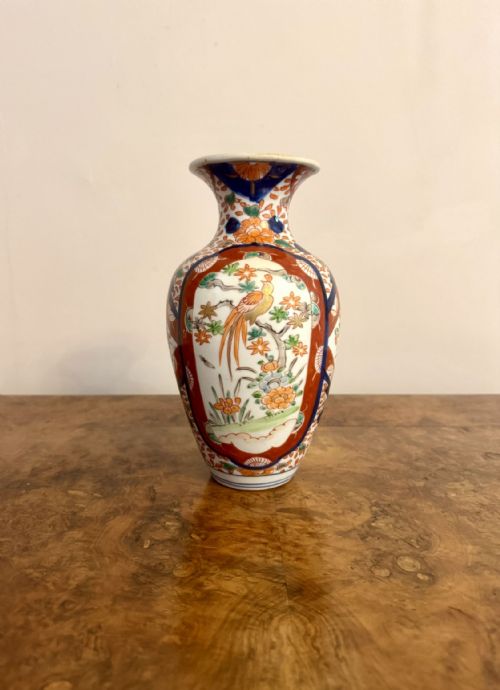


Orange Imari Ceramic Vase
An orange imari ceramic vase brings striking iron-red and cobalt blue panels into a room, offering bold pattern and rich historic character.

Orange Imari Ceramic Vase
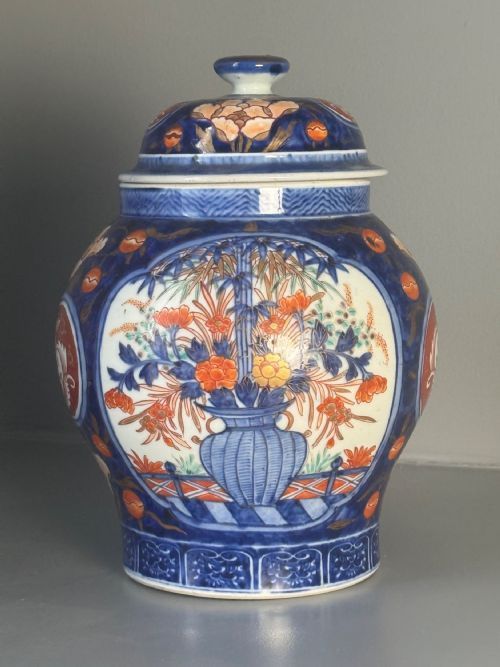
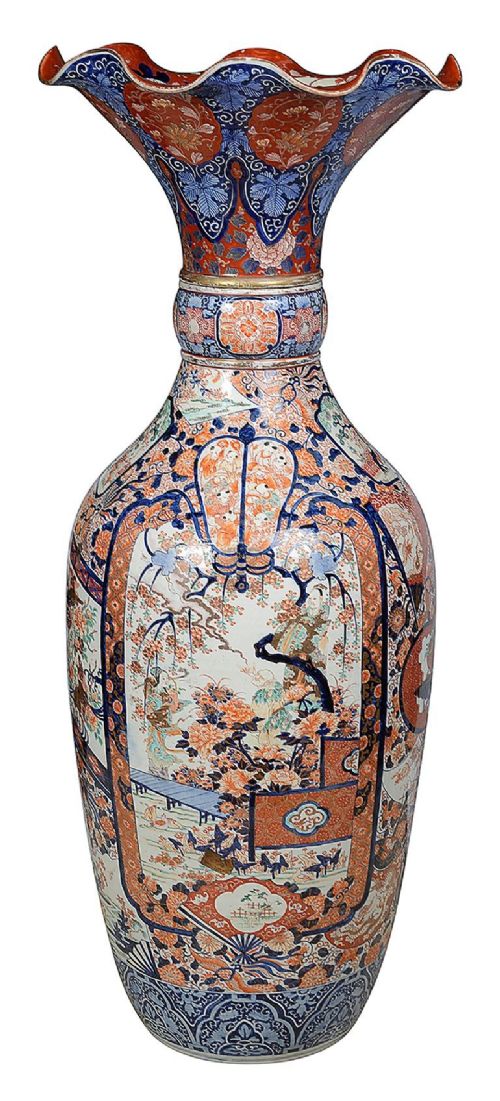
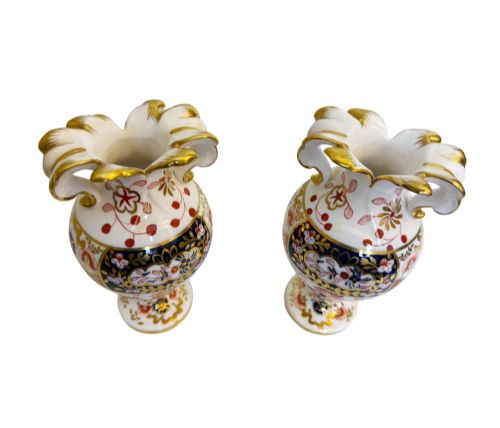
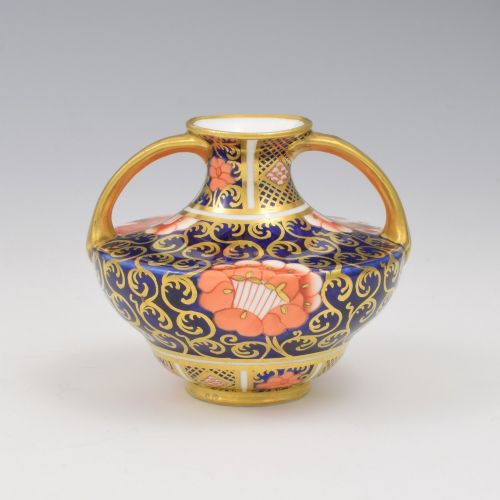
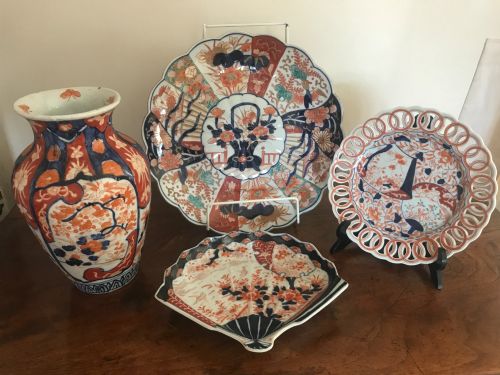
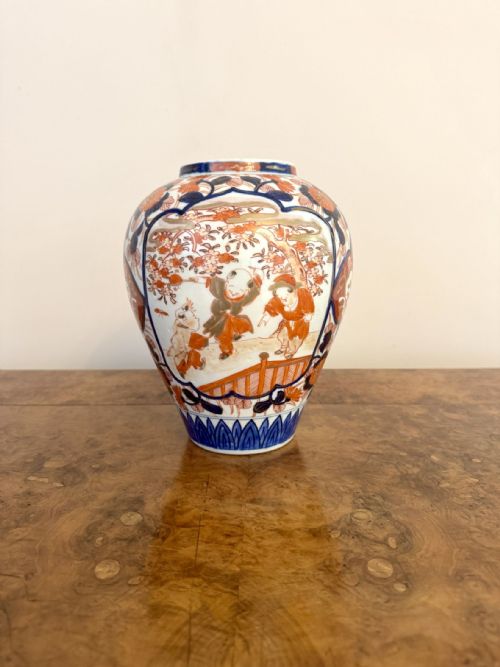
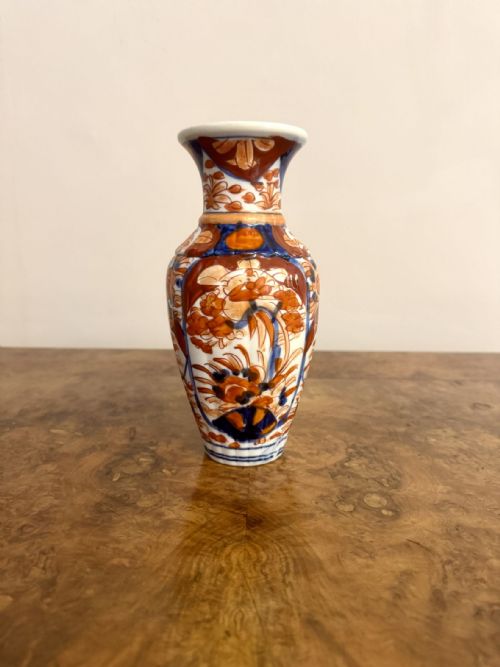
An orange imari ceramic vase combines rich iron-red enamel, underglaze blue, and often gold leaf in dense, patterned compositions. These pieces originate primarily from Japanese kilns during the Edo and Meiji periods, alongside European interpretations by English makers like Spode, Minton, and Royal Crown Derby.
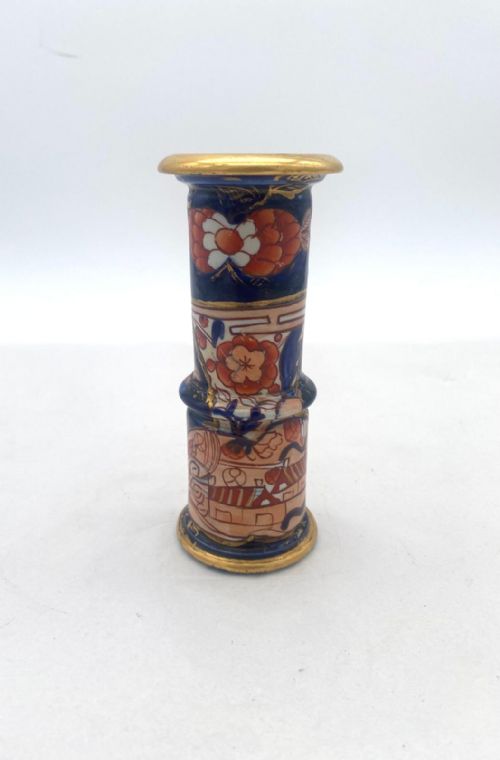
The selections span standard baluster shapes, double-gourd silhouettes, ginger jars with covers, and monumental floor-standing vessels. Buyers encounter everything from miniature cabinet items to substantial nineteenth-century export works.
Japanese examples demonstrate the traditional Arita aesthetic, while British adaptations reflect Regency and Victorian taste for eastern motifs. Both traditions deliver high-contrast palettes built around characteristic orange and blue tones.
Materials and production methods
Potters shaped hard-paste porcelain or ironstone bodies on the wheel or pressed them into moulds to create octagonal, bottle, and baluster profiles. These clay bases received initial cobalt blue underglaze painting before the first firing.
Craftsmen then applied overglaze enamels, predominantly iron-red and complementary colours, alongside gold leaf details. A secondary low-temperature firing fixed these surface pigments to the glazed body, producing a durable finish with slight relief.
Forms range from miniature spill vases and ginger jars to monumental floor-standing vessels.
Distinctions in quality
The crispness of the underglaze blue painting and the precision of the overglaze red and gilt detailing separate standard production from exceptional works. Superior examples display balanced panel layouts, cleanly rendered floral or geometric motifs, and thick, vibrant enamel layers.
Form complexity also influences standing, as octagonal vases, double-gourd vessels, and matched garniture sets require greater technical skill in turning and firing than simple cylindrical shapes. Intact matching lids and covers preserve the intended silhouette and add considerably to the integrity of the piece.
Spode·Royal Crown Derby·Minton·Mason
The Orange Imari Ceramic Vase Glossary
- Imari
- A style of Japanese porcelain decorated in underglaze blue, iron-red, and gold, named after the port from which these wares were shipped. European factories subsequently copied these distinctive red and blue export patterns.
- Meiji Period
- The era of Japanese history lasting from 1868 to 1912, noted for expansive international trade and highly detailed decorative arts. Vases from this span often combine deep orange enamels with meticulous gilding.
- Baluster
- A vase form characterised by a rounded body that tapers toward the base and swells below a narrow neck. This traditional silhouette provides stable proportions for dense surface decoration.
- Garniture
- A set of matching vases, usually numbering three or five pieces, designed to be displayed together on a mantelpiece or sideboard. These matched groups require uniform firing and decoration across varying sizes.
- Arita
- The Japanese town and surrounding valley where porcelain production began in the seventeenth century. Wares from this region form the foundation of traditional imari manufacturing.
Orange Imari Ceramic Vase: Frequently Asked Questions
How do I date an orange imari ceramic vase?
Dating relies on body weight, glaze texture, base markings, and stylistic conventions associated with Japanese export periods or English factory marks. Nineteenth-century examples typically show heavier potting and deeper iron-red enamels.
Earlier pieces from the eighteenth century or Edo period display softer paste characteristics and hand-mixed pigments, while Edwardian British reproductions often carry specific pattern numbers on the base.
Are these vases waterproof for fresh flowers?
Most antique porcelain and ironstone vessels hold water safely, but older glaze fractures or unglazed foot rims warrant careful inspection. Using a discreet interior glass liner protects delicate interior surfaces from moisture.
Valuable antique pieces with extensive overglaze enamel or gold leaf benefit from minimal exposure to standing water to preserve the surface pigments.
How should I clean an antique imari vase?
Dusting with a soft, dry brush removes surface particles safely without abrading the delicate overglaze enamels and gold leaf. Harsh chemical cleaners and abrasive cloths must be avoided entirely.
If washing is necessary, lukewarm water and mild soap applied with a soft cloth suffice, followed by immediate drying with a lint-free towel.