




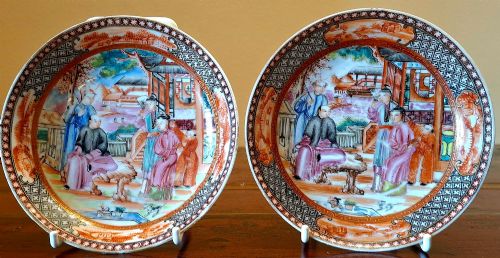


Qianlong Period Famille Rose
Qianlong period famille rose comprises fine porcelain vessels painted in vibrant enamels during the eighteenth century, sought by collectors for their intricate historical artistry.
Qianlong Period Famille Rose
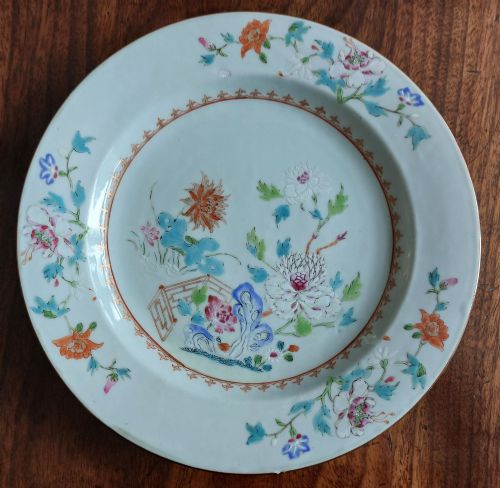
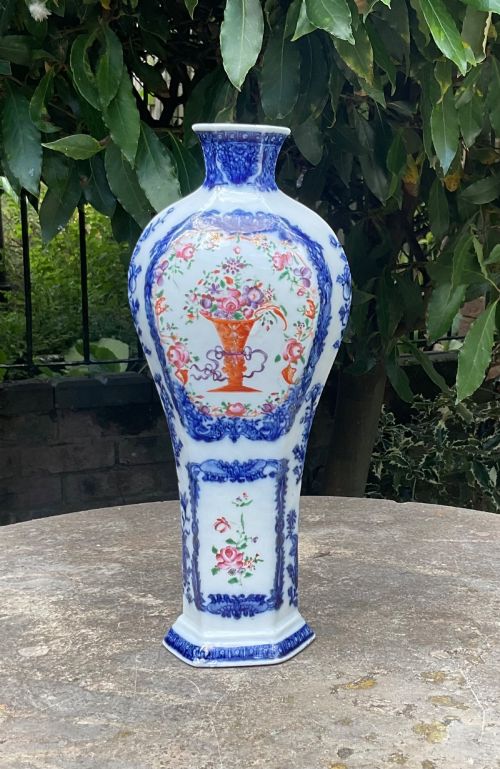
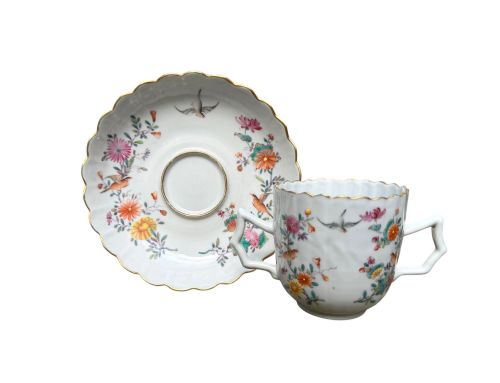
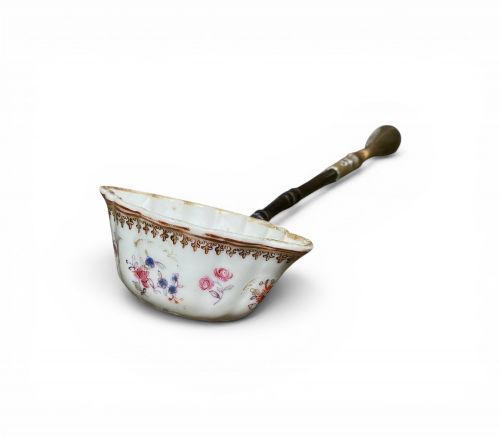
These items represent eighteenth-century Chinese porcelain decorated with opaque overglaze enamel colours, belonging to the Qing dynasty and specifically the Qianlong period. The selection includes decorative plates, chargers, vases, teapots, cups, saucers, mugs, ladles, and figurative porcelain. Many of these pieces were made for Chinese export markets.
The most common forms encountered on this page are decorative plates, saucers, and dishes alongside tea wares such as teacups and teapots. Alongside standard vessels, more specialised forms like rectangular armorial dishes, cream jugs, and porcelain figurines appear in the record. The pieces date predominantly from the eighteenth century, spanning periods from roughly seventeen thirty to seventeen ninety-five.
How they were made
The foundation of every piece is porcelain, shaped and fired before receiving decoration in overglaze enamel glazes. Artisans applied complex palettes of enamel colours by hand onto the fired ceramic surface, occasionally incorporating gold leaf or gilding to highlight specific details of the design. Certain items also utilise metal or wood components as part of their construction.
Qianlong Period Famille Rose Retail Price Guide 2026
Typical asking prices for qianlong period famille rose among the pieces listed under this phrase on Sellingantiques today, from the lower quarter to the upper quarter. They describe what is for sale here now, not the wider market.
Object types recorded in the archive range from teacups, saucers, and teapots to chargers, ladles, mugs, and decorative figurines.
What varies in quality
The preservation of the enamel glaze and any applied gilding or gold leaf influences the overall appearance. Exceptional examples maintain crisp overglaze colours and pristine porcelain surfaces that reflect the high standards of eighteenth-century imperial and export workshops.
The Qianlong Period Famille Rose Glossary
- Famille rose
- A palette of opaque overglaze enamel colours introduced in Chinese porcelain decoration during the Qing dynasty, noted for its characteristic pink and rose hues. The name derives from the dominant pink enamel derived from colloidal gold.
- Qing dynasty
- The final imperial dynasty of China, lasting from sixteen forty-four until nineteen twelve. Porcelain production reached technological and artistic heights during this era.
- Qianlong period
- The reign of the Qianlong Emperor from seventeen thirty-six to seventeen ninety-five, representing a prolific era for Chinese export porcelain and enamel decoration. Pieces from this time often bear specific stylistic traits associated with the imperial court.
- Chinese export porcelain
- Ceramic wares manufactured in China specifically for western markets during the seventeenth, eighteenth, and nineteenth centuries. These items often combined traditional Chinese craftsmanship with shapes and designs requested by European buyers.
- Armorial
- A term describing porcelain decorated with European coats of arms or family crests. These bespoke items were ordered specifically by foreign families through trade networks.
Qianlong Period Famille Rose: Frequently Asked Questions
What is qianlong period famille rose porcelain?
It is eighteenth-century Chinese porcelain decorated with a distinctive palette of opaque overglaze enamel colours. These wares were produced during the reign of the Qianlong Emperor for both domestic use and export.
Items range from everyday tea wares to large chargers and decorative figures, all characterised by hand-painted polychrome designs.
How can I date these pieces?
Dating relies on stylistic markers, historical reign periods, and manufacturing techniques recorded across the eighteenth century. Most pieces align with the Qianlong dates of seventeen thirty-six to seventeen ninety-five.
Comparisons with known examples, such as pieces from dated reference collections, help narrow the production window.
Were these made for export?
Many surviving pieces were created specifically for western markets as part of the extensive trade between China and Europe. This export production accounts for the presence of specific European shapes, armorial crests, and Jesuit designs.
At the same time, the manufacturing techniques remained rooted in traditional Chinese ceramic centres.
How do I care for antique porcelain?
These eighteenth-century pieces require gentle handling due to their age and the delicate nature of the overglaze enamels. Hand washing in lukewarm water with mild soap is generally advised, avoiding abrasive materials that could harm the surface.
Displaying them away from direct sunlight and extreme temperature changes protects both the porcelain and the gilding.