

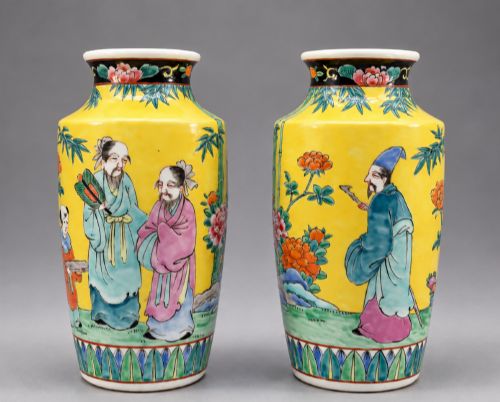


Chinese Glazed Porcelain Figure
A chinese glazed porcelain figure brings the rich tradition of East Asian ceramic art into a room with striking colour and form.
Chinese Glazed Porcelain Figure
A chinese glazed porcelain figure encompasses sculptural ceramic works produced across multiple dynasties and later eras, spanning the eighteenth century through to the early twentieth century. Buyers seeking these sculptures encounter both human representations like ascetics and immortals alongside animal forms including cockerels, goats, ducks, tigers, and mythological beasts such as foo dogs.
The objects on this page range from standalone decorative sculptures to incense holders and figural lamps, reflecting the varied domestic and ritual functions of Chinese ceramics. Many pieces date from the Qing dynasty and the subsequent Republic period, showing the enduring popularity of animal and mythical subjects in pottery production.
Kangxi and Qianlong period aesthetics influence several examples, while Ming style revivals demonstrate how later makers paid homage to earlier ceramic traditions. Collectors will find both single display items and matched pairs among the selection.
Materials and techniques
Makers shaped fine ceramic and porcelain bodies by hand or in moulds before applying distinctive decorative finishes. Sancai glazes, cobalt blue pigments, and turquoise coatings provide the primary coloration seen across the inventory.
Overglaze enamel and enamel glaze techniques allowed artisans to add intricate polychrome details to figures like the famille rose ascetic luohan and laughing boy. Some pieces combine glazed porcelain with wooden elements or are mounted as lamps.
Chinese Glazed Porcelain Figure Retail Price Guide 2026
Typical asking prices for chinese glazed porcelain figure among the pieces listed under this phrase on Sellingantiques today, from the lower quarter to the upper quarter. They describe what is for sale here now, not the wider market.
Several stone-faced foo dogs and watchful cockerels stand ready to guard the mantelpiece from any stray mice.
Assessing quality in ceramic figures
The sophistication of the painting on overglaze enamel pieces separates standard production from superior artistic output. Strong provenance, such as reign marks or identifiable period characteristics, further distinguishes the most accomplished sculptures.
Gao Hengsheng
The Chinese Glazed Porcelain Figure Glossary
- Famille rose
- A major palette of Chinese ceramic overglaze enamels introduced in the Qing dynasty, characterised by opaque pink or rose colours derived from colloidal gold. This palette allowed for subtle tonal gradations in pictorial scenes and figures.
- Foo dog
- A traditional Chinese architectural guardian lion, frequently rendered in porcelain or pottery with glazed surfaces. These mythical beasts symbolise protection and prosperity in domestic settings.
- Sancai
- A three-colour glaze technique traditionally utilising green, amber, and cream or white tones. Artisans applied these mineral glazes to ceramic bodies to create runnels and pooled colour effects.
- Qing dynasty
- The final imperial dynasty of China, lasting from sixteen forty-four to nineteen twelve. This era produced significant developments in porcelain manufacturing and enamel decoration.
- Republic period
- The era in Chinese history following the fall of the Qing dynasty in nineteen eleven, lasting until nineteen forty-nine. Ceramic workshops during this time continued traditional craftsmanship while exploring new artistic signatures.
Chinese Glazed Porcelain Figure: Frequently Asked Questions
What subjects do these figures typically represent?
These ceramic works depict a mix of human figures, including immortals, ascetics, and laughing boys, alongside various animals and mythical beasts. Common animal subjects include cockerels, goats, ducks, tigers, and Buddhist lions.
Such subjects held deep symbolic meaning in Chinese culture, representing longevity, protection, or good fortune. The variety allows buyers to choose between narrative human sculptures and decorative animal forms.
How do I distinguish between Qing dynasty and Republic period pieces?
Qing dynasty pieces often display traditional imperial forms, classic turquoise or sancai glazes, and established reign marks. Republic period works can feature individual artist signatures and stylistic shifts influenced by twentieth-century developments.
Examining the base, the style of the glaze, and any accompanying inscriptions helps clarify the likely era of production. Comparing standard decorative motifs across centuries provides further context.
Where were these figures placed in a home?
Historically, these ceramic sculptures served as decorative objects, scholarly desk items, or functional pieces like incense holders. Some larger figures and pairs were designed for prominent display in reception rooms.
Today, collectors place them on mantelpieces, side tables, or within dedicated cabinet displays. Their varied heights and vibrant glazes make them effective focal points in traditional and modern interiors.
What is the significance of turquoise and sancai glazes?
Turquoise and sancai glazes provide the vibrant surface coloration characteristic of many Chinese ceramic figures. Sancai uses multi-coloured lead-silicate glazes that merge during firing, while turquoise offers a smooth, intense monochrome finish.
These glazes protect the ceramic body while adding textural depth and rich colour to the sculpture. Their presence often helps date and attribute the piece to specific manufacturing traditions.