




Chinese Export Porcelain Figures
Chinese export porcelain figures represent centuries of meticulous craftsmanship, offering collectors vivid ceramic portrayals of deities, immortals, and animals made for Western markets.
Chinese Export Porcelain Figures
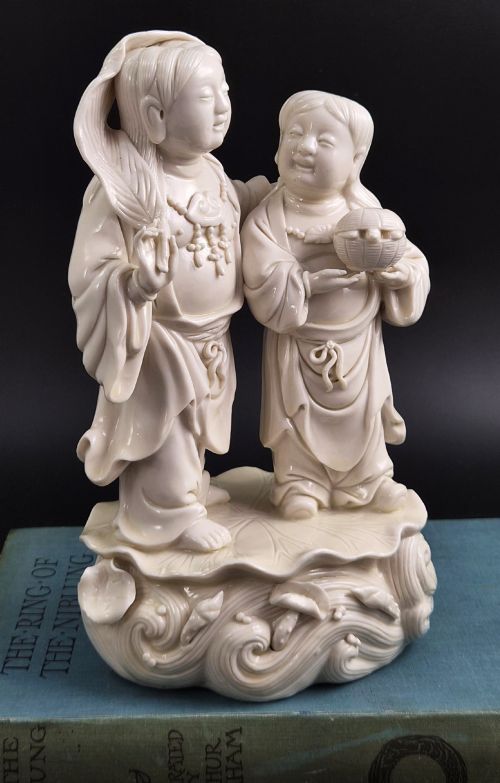
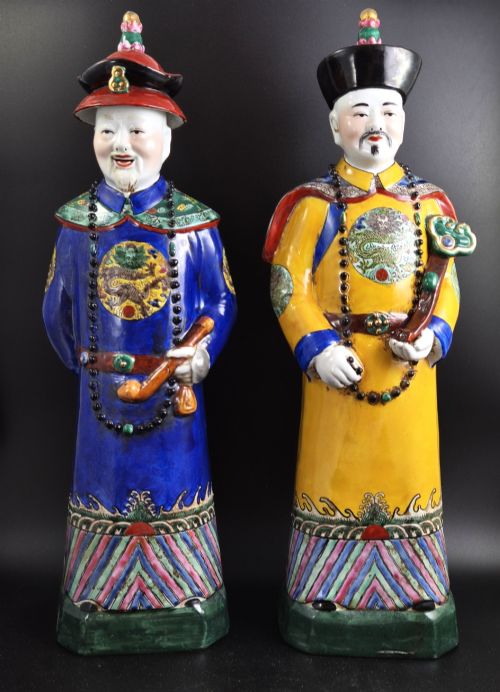
Chinese export porcelain figures encompass a rich variety of ceramic objects created primarily for international trade, spanning decorative figurines, immortals, and animal subjects such as ducks and cockerels. These sculptural works bridge traditional Eastern iconography with the aesthetic demands of Western interiors during successive imperial dynasties.
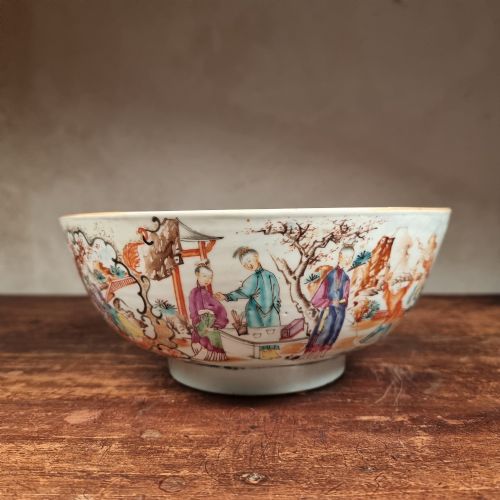
Buyers browsing this selection will frequently encounter examples originating from the nineteenth and eighteenth centuries, alongside specific pieces attributed to the Kangxi and Qianlong periods. While figures form the core focus, related forms like bowls, vases, and teapots occasionally appear within the broader material record.
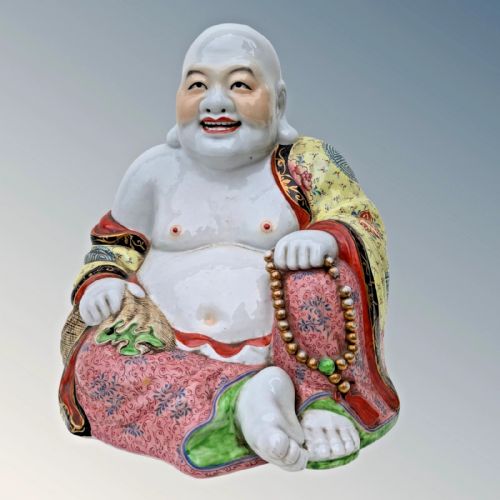
Stylistic influences range from Qing Dynasty aesthetics and Ming style revivals to distinctive famille rose and famille verte palettes. Each figure reflects the specific decorative conventions of its period of manufacture, from monochrome blanc-de-chine statuary to brightly enamelled polychrome subjects.
Materials and construction
The primary material underpinning these works is porcelain, shaped into complex sculptural forms and finished with applied glazes and overglaze enamel decoration. Artisans utilised techniques such as meticulous mould-forming and hand-finishing to achieve intricate details on subjects like robed immortals and feathered birds.
Colour palettes were achieved through specialised firing processes, incorporating famille rose and famille verte enamels, turquoise glazes, and sancai glaze traditions. Selected pieces received additional embellishments including gold leaf highlights, enhancing the visual depth of the ceramic surface.
Among the menagerie of export birds, vigilant turquoise-glazed cockerels stand guard beside lifelike porcelain ducks with sancai glaze.
Evaluating quality and execution
The standard of modelling defines the upper tier of these figures, where facial expressions, hand gestures, and drapery folds exhibit sharp definition and anatomical plausibility. Lesser examples often display softer contours and a lack of crispness in the mould work.
The precision and richness of the enamel painting dictate visual success, with superior pieces showing controlled brushwork and harmonious colour saturation across complex polychrome surfaces. Inferior items suffer from misaligned pigment application or dull, poorly fused glaze layers.
The Chinese Export Porcelain Figures Glossary
- Blanc-de-chine
- A pure white porcelain originating from Fujian province, lacking coloured overglaze to let the smooth glaze speak for itself. It is particularly associated with figures of deities and immortals.
- Famille rose
- A palette of opaque pink and rose enamels introduced in the eighteenth century. This decorative scheme allows for subtle tonal gradations in floral and figural motifs.
- Famille verte
- A predominantly green enamel palette dominant in the Kangxi period. It relies on transparent green washes combined with iron red, blue, yellow, and black.
- Sancai
- A three-colour glaze tradition rooted in earlier Chinese pottery techniques. On later figures, it produces rich, overlapping amber, green, and cream tones.
- Qing dynasty
- The final imperial dynasty of China, lasting from 1644 to 1912. Much of the export porcelain available today falls within this broad chronological span.
Chinese Export Porcelain Figures: Frequently Asked Questions
What subjects do these figures typically depict?
These ceramic works commonly portray Daoist immortals, Buddhist luohans, emperors, and mythical beings alongside naturalistic animals like cockerels, ducks, and pheasants.
Such subjects carried deep symbolic meanings in Chinese culture, representing longevity, good fortune, and harmony, which appealed to both domestic and foreign patrons.
How can I distinguish eighteenth-century pieces from nineteenth-century ones?
Earlier pieces from the Kangxi or Qianlong periods generally exhibit finer potting, more vibrant and secure enamel work, and a distinct crispness in sculptural modelling.
Nineteenth-century items often show heavier construction, different glaze compositions, and stylistic interpretations influenced by revival movements.
Were these figures made for use or display?
They were created almost exclusively as decorative ornaments for European and Western interiors, designed to sit on mantelpieces, tables, or within cabinet displays.
Unlike utilitarian vessels such as teapots or bowls, their primary function was aesthetic enrichment rather than service.
How should I care for antique porcelain figures?
Maintenance requires gentle dusting with a soft, dry brush and avoiding harsh chemical cleaning agents that could damage delicate overglaze enamels or gold leaf.
Keeping them away from direct sunlight and areas prone to sudden temperature changes protects the ceramic body and glaze integrity.