





Oriental Ceramic Statues Pair
These oriental ceramic statues pair selections bring character and history into a room through figures, animals, and architectural ornaments.
Oriental Ceramic Statues Pair
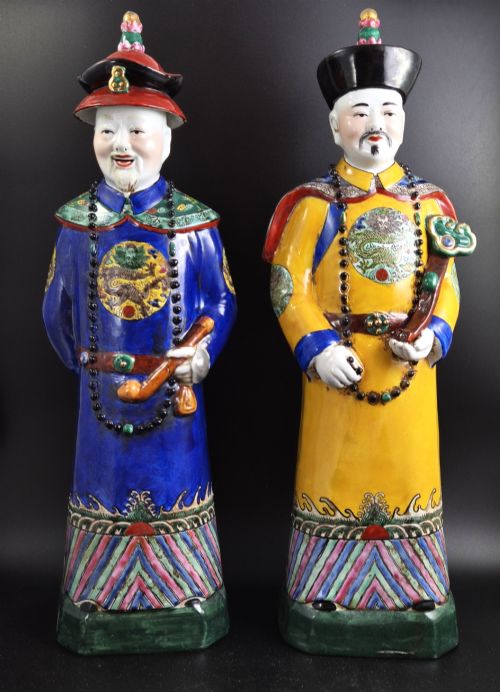
When you search for an oriental ceramic statues pair, you encounter decorative figures, porcelain figures, figurines, sculptures and statues, roof ornaments, and garden lanterns spanning the eighteenth century through the mid twentieth century. These objects include Chinese imperial style cloisonne cranes, Chinese porcelain ducks, Chinese porcelain cockerels, and Japanese ceramic shachikoko roof ornaments. The selection draws heavily upon Qing dynasty style and Chinese Qing dynasty pieces, alongside items influenced by Ming style and Tang dynasty style.
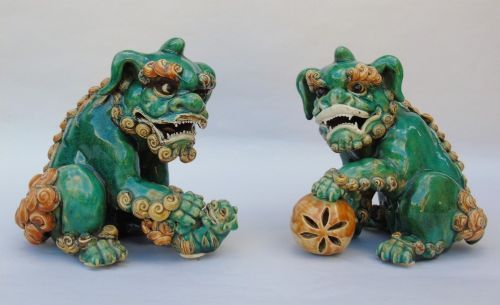
The regional origins and period styles distribute across various workshops and eras, incorporating nineteenth century pieces, Japanese Meiji period examples, and Chinese export goods. Makers and marks such as the Fujian Huiguan mark and Makuzu Kozan II appear alongside earthenware and porcelain figures depicting immortals, Buddhist lions, and emperor figures. These matched pairs serve decorative and sculptural functions in domestic and garden settings.
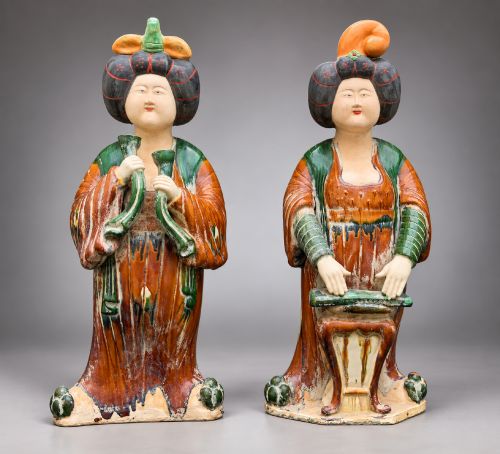
Collectors find that these paired figures reflect distinct stylistic traditions, ranging from sancai glazed pottery musician figures to famille verte wucai figures. The forms encompass terracotta lanterns, garden lanterns, and decorative figurines shaped by distinct cultural aesthetics. Each pair preserves historical techniques and traditional iconography passed down through generations of makers.
Materials and production techniques
Makers utilised porcelain, earthenware, ceramic, and terracotta as the primary structural bases for these sculptural pairs. Artisans shaped these materials by hand or in moulds before applying lead glaze, enamel, and specialised sancai glazes to the surfaces. The firing process required careful temperature control to achieve the vibrant coloration seen on porcelain ducks, cockerels, and imperial cranes.
Surface decoration frequently involved cloisonne elements, famille rose enamels, and wucai palettes applied over the ceramic body. Potters added intricate details to figures such as the Shiwan Buddhistic lion dogs and Mandarin ducks prior to the final glaze firing. The resulting finishes range from high gloss translucent glazes to matte terracotta textures.
Oriental Ceramic Statues Pair Retail Price Guide 2026
Typical asking prices for oriental ceramic statues pair among the pieces listed under this phrase on Sellingantiques today, from the lower quarter to the upper quarter. They describe what is for sale here now, not the wider market.
Listings incorporate nineteenth century items alongside pieces dated to 1900, 1910, 1920, 1930, and 1940.
Distinctions in quality and execution
The fineness of hand modelling and the precision of facial expressions distinguish superior pairs from standard examples. Master modellers achieved greater anatomical naturalism and expressive depth in figures such as the musicians, immortals, and emperor figures. Secondary pieces often display simplified moulding and repetitive surface detailing.
The brilliance and control of the glaze application determine visual impact, particularly in sancai, famille rose, and wucai decorated pieces. Superior examples exhibit even coverage and vibrant pigment saturation without pooling or running. Workshop marks and signatures, such as specific period seals or maker attribution, indicate higher tier production origins.
Makuzu Kozan II·Fujian Huiguan Mark
The Oriental Ceramic Statues Pair Glossary
- Sancai
- A three colour glaze tradition typically utilising amber, green, and cream or off white tones. This glaze style appears frequently on Tang dynasty style figures and pottery lions.
- Okimono
- A Japanese ornamental carving or sculpture designed for display on a shelf or in a tokonoma alcove. These pieces often depict animals like Mandarin ducks with delicate detail.
- Shachikoko
- A mythical Japanese creature with the head of a tiger and the body of a carp, traditionally used as an architectural roof ornament. Pairs of these ceramic figures protected buildings from fire.
- Wucai
- A ceramic decoration technique meaning five colours, combining underglaze blue with overglaze enamels. It characterises certain Kangxi period figures and boy sculptures.
Oriental Ceramic Statues Pair: Frequently Asked Questions
How were ceramic roof ornaments used?
Makers designed roof ornaments like shachikoko to mount on the ridgepoles and gable ends of traditional buildings. They served both structural capping functions and symbolic protective roles.
Installers secured these glazed ceramic pieces against weather exposure while displaying their sculptural forms high above the ground.
How do I identify Tang dynasty style pieces?
Tang dynasty style works emulate the robust forms and characteristic sancai lead glazes of the ancient Chinese golden age. Makers often produced these revival pieces during the early twentieth century.
Look for amber, green, and cream colour schemes applied to pottery figures such as musicians, horses, and camels.
Where should I display ceramic lanterns?
Terracotta and ceramic lanterns suit sheltered garden spaces, conservatories, or interior rooms where moisture levels remain controlled. Their sculptural presence anchors a corner or a tabletop display.
Positioning pairs symmetrically enhances architectural balance within a room or courtyard setting.