



Qing Dynasty Porcelain Statue
A qing dynasty porcelain statue brings centuries of master craftsmanship and expressive ceramic art into a modern room.
Qing Dynasty Porcelain Statue
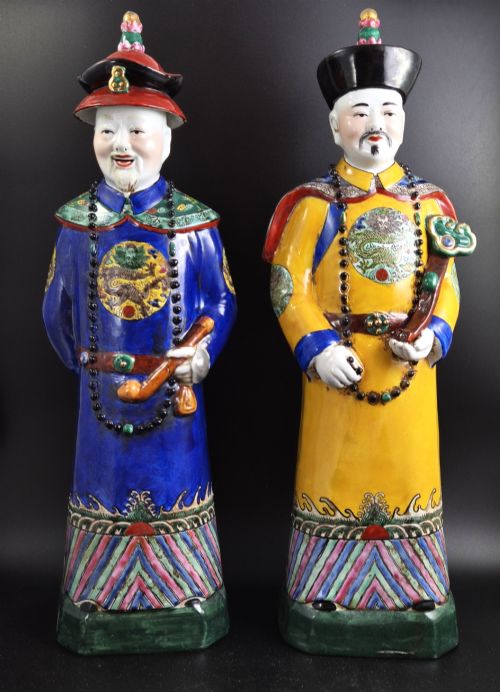
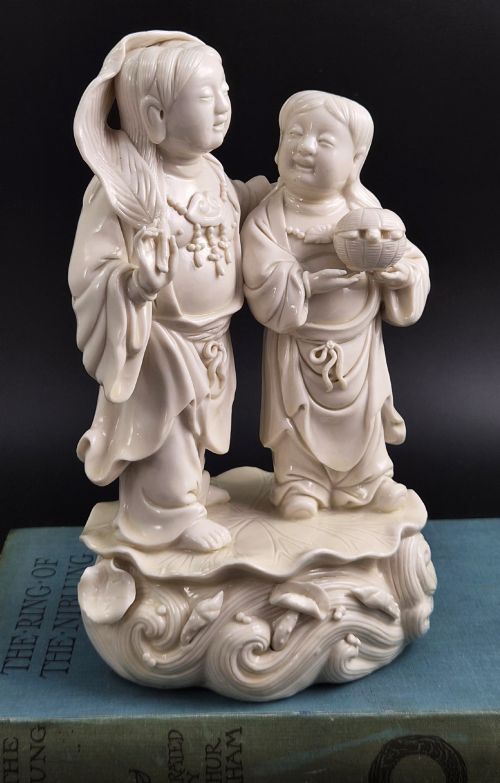
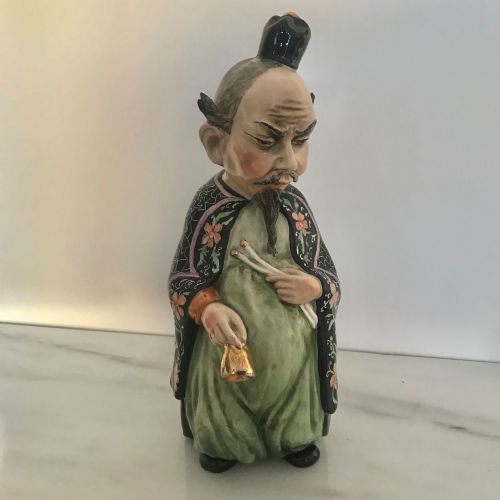
When you search for a qing dynasty porcelain statue, you encounter a remarkable array of decorative figurines, incense holders, and sculptural figures spanning from the eighteenth century into the twentieth century. These works capture diverse subjects ranging from mythological immortals and Buddhist lions to cockerels, goats, and emperors, reflecting the rich spiritual and domestic iconography of the period. You are most likely to meet nineteenth-century examples and Chinese export pieces on this page, alongside earlier eighteenth-century forms.
Materials and methods
Certain workshop traditions utilised specialised monochrome glazes, including turquoise and pale green formulations, while others employed multi-coloured famille rose and famille verte palettes. Artisans occasionally integrated mixed media details, such as hair, to complete the presentation of figurative works.
Qing Dynasty Porcelain Statue Retail Price Guide 2026
Typical asking prices for qing dynasty porcelain statue among the pieces listed under this phrase on Sellingantiques today, from the lower quarter to the upper quarter. They describe what is for sale here now, not the wider market.
Several cockerels and goats join the traditional immortals and lions, proving that Qing potters possessed a fine eye for farmyard charm.
Distinctions in quality
The nuance of the glaze surface also separates standard output from superior studio work. Smooth, even colour distribution without pooling or dry patches indicates a higher level of kiln control. Finer pieces demonstrate a harmony between the sculpted form and its surface decoration.
The Qing Dynasty Porcelain Statue Glossary
- Blanc-de-Chine
- A pure white porcelain produced at Dehua in Fujian province. This smooth, ivory-toned ware gained renown for religious and secular figures.
- Famille Rose
- A palette of opaque pink and rose enamels introduced during the Qing dynasty. It allowed artists to paint subtle gradations of tone on porcelain figures.
- Famille Verte
- A translucent green-dominated enamel palette characteristic of earlier Qing wares. It frequently incorporates iron red, yellow, and blue to create vibrant polychrome surfaces.
- Foo Dog
- A traditional guardian lion sculpture placed to ward off evil spirits. These mythical beasts appear frequently in pairs with stylised mannes and watchful postures.
- Luohan
- An enlightened follower of Buddha depicted in sculpture with intense spiritual focus. These ascetic figures often feature individualised facial expressions and robes.
Qing Dynasty Porcelain Statue: Frequently Asked Questions
How do I date a porcelain statue?
Dating relies on stylistic markers, enamel palettes, and the specific characteristics of the clay body. Earlier pieces often exhibit finer potting and distinct pigment formulations typical of the Qianlong or Kangxi periods.
Later nineteenth- and twentieth-century examples introduce broader commercial production methods and distinct glaze colours. Comparing the modelling style to known dated pieces provides the surest guide.
Are these figures painted by hand?
Most Qing dynasty statues feature hand-applied enamels and painted details over a fired porcelain or ceramic base. Artisans carefully brushed on overglaze colours before subjecting the piece to a secondary low-temperature firing.
Brushwork variation on robes and feathers indicates individual artistic execution rather than mechanical printing. This hand-painted quality gives each figure its unique character.
Where were these statues made?
Production took place across major Chinese ceramic centres, including the imperial kilns at Jingdezhen and regional kilns in Fujian and Guangdong. Dehua specialised in white porcelain figures, while other kilns produced earthenware and glazed pottery.
Export wares were frequently shipped through southern ports to European and domestic markets. Regional marks occasionally point to specific workshops or geographic origins.
How should I display my statue?
Position your figure on a stable, flat surface away from high-traffic areas where accidental knocks might occur. Adequate lighting helps reveal the subtle textures of turquoise or pale green glazes and delicate overglaze enamels.
Keep the piece out of direct sunlight to prevent any fading of painted pigments over time. Dust gently with a dry, soft cloth to maintain the surface.