




Pink Enamel Chinese Dish
These pink enamel chinese dish examples span centuries of skilled work, bringing colour and pattern directly to your table.
Pink Enamel Chinese Dish
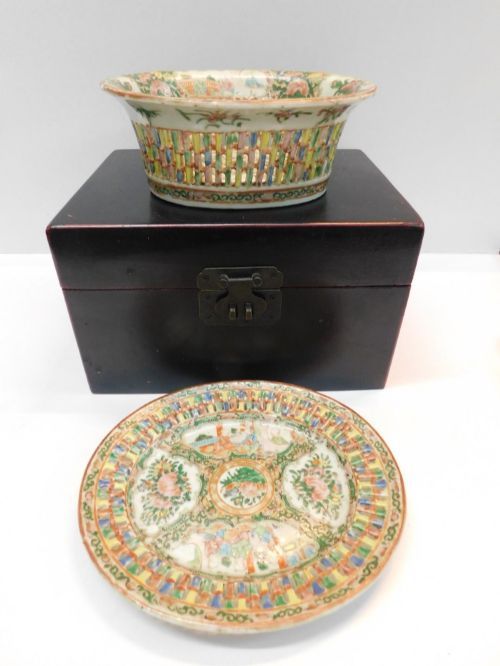
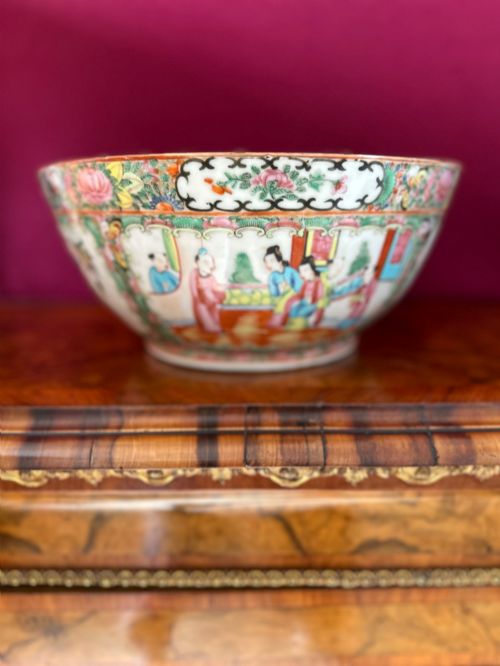
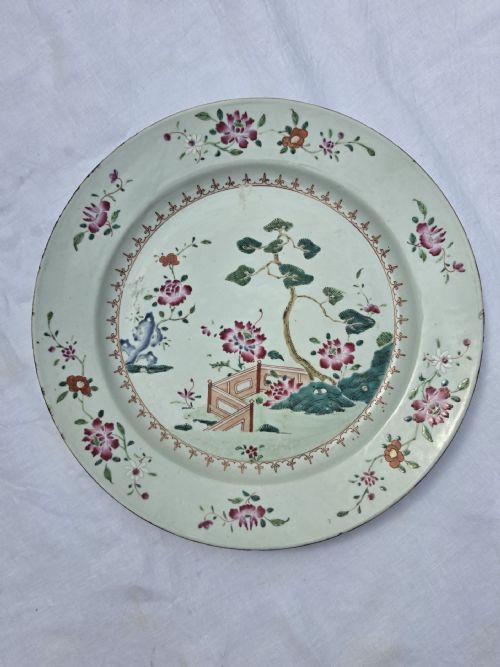
A pink enamel chinese dish represents a rich tradition of decorative ceramics produced for both domestic use and export markets. When you search for this phrase, you encounter various forms ranging from bowls and chargers to saucers and pedestal dishes. These items often feature intricate hand-painted motifs depicting flora, fauna, and traditional scenes.
The pieces listed here predominantly stem from the eighteenth and nineteenth centuries, capturing the aesthetic shifts of the Qing dynasty and Chinese export periods. You will frequently find items associated with Canton production alongside earlier Qianlong examples. Each object demonstrates the distinct artistic priorities of its respective era, from strict court styles to bolder export designs.
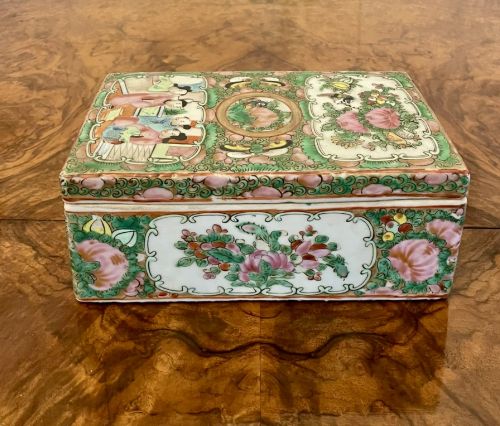
Forms vary from standard circular plates to specialised shapes such as shamrock trays, trefoil dishes, and lidded boxes. Some examples incorporate compartmentalised designs or pedestal bases for display. This variety ensures that collectors can find functional tableware as well as purely decorative items suited to specific interior settings.
How they were made
Makers utilised hard-paste porcelain and delicate enamel glazes as the foundational elements for these ceramics. Artisans applied overglaze enamel pigments by hand to create vibrant pink tones and detailed polychrome scenes. This process required precise temperature control during firing to bond the glass-based colours to the ceramic body.
Many examples incorporate gold leaf or gilt highlights applied over the finished enamel surface to add depth and contrast. Techniques such as plique-a-jour appear in select pieces, creating a stained-glass effect with translucent enamel held in a metal framework. Hand-painting remains the defining characteristic across all listed objects, executed with fine brushes for intricate linework.
Pink Enamel Chinese Dish Retail Price Guide 2026
Typical asking prices for pink enamel chinese dish among the pieces listed under this phrase on Sellingantiques today, from the lower quarter to the upper quarter. They describe what is for sale here now, not the wider market.
What varies in quality
The complexity of the form and the richness of the palette further distinguish finer items from standard production. The inclusion of intricate gilding, well-preserved gold leaf, and unusual structural shapes like trefoil trays or segmented dishes elevates a piece. Preservation of the original glaze without extensive wear or modern repair marks remains a key differentiator among surviving examples.
The Pink Enamel Chinese Dish Glossary
- Famille Rose
- A palette of opaque enamel colours dominated by pink, introduced to Chinese ceramics during the Qing dynasty. This grouping allowed artisans to achieve subtle tonal gradations in floral and figural decorations.
- Chinese Export
- Ceramics manufactured in China specifically for trade and sale to Western markets. These items often adapted traditional Chinese forms and motifs to suit European and American tastes.
- Plique-a-jour
- A vitreous enamelling technique where enamel is applied to cells without a backing, allowing light to shine through the transparent material. It resembles miniature cloisonne without the opaque base.
- Hard-paste porcelain
- A dense, durable ceramic composed of kaolin and petuntse fired at very high temperatures. It forms the impermeable white body typical of high-quality Chinese export wares.
- Qianlong
- Referring to the period of the Qianlong Emperor, associated with high technical mastery in porcelain production. Pieces from this era often feature complex enamel work and refined decorative schemes.
Pink Enamel Chinese Dish: Frequently Asked Questions
How do I date an antique Chinese dish?
Dating relies on examining the characteristics of the porcelain body, the style of the enamel colours, and any visible motif conventions. Earlier eighteenth-century pieces often feature thinner potting and specific palettes associated with the Qianlong reign.
Later nineteenth-century Canton items typically present bolder designs, denser borders, and heavier porcelain bodies. Comparing the foot ring construction and base markings further assists in establishing a reliable timeframe.
What is Famille Rose?
Famille Rose refers to a major ceramic colour group introduced during the Qing dynasty, defined by the use of an opaque pink enamel derived from colloidal gold. This palette enabled artists to paint realistic floral and figural scenes with delicate shading.
The style succeeded the earlier green and yellow families and dominated export wares throughout the eighteenth and nineteenth centuries.
Are these dishes safe for food use?
While these antique items were originally created as functional tableware or decorative objects, modern usage for food requires caution. Overglaze enamels from the eighteenth and nineteenth centuries can contain heavy metals that might leach when exposed to acidic foods.
Most collectors treat these pieces as decorative items for display rather than everyday diningware to preserve the fragile hand-painted surfaces.
What distinguishes Canton export porcelain?
Canton porcelain is characterised by its vibrant painted decoration, frequently combining panels of figures with dense borders of birds, butterflies, and flowers. These pieces were decorated in the port city of Canton using white porcelain blanks sourced from interior kilns.
The style became particularly popular during the Victorian era and is easily recognised by its busy, colourful compositions.